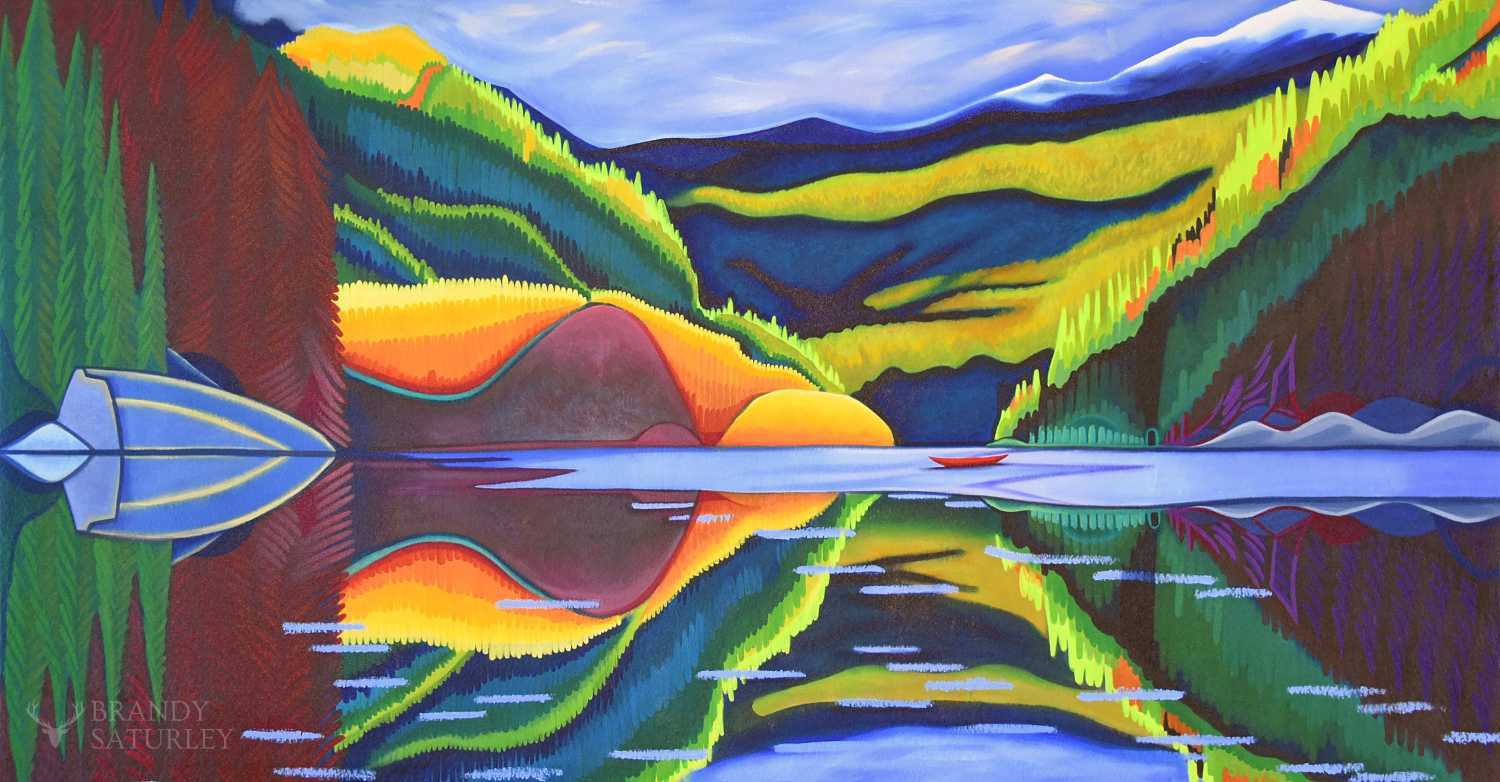
The Art of Brandy SaturleyIconic Canadian Pop Art to Collect #iconiccanuck
  • Home
  • Paintings by Series
  • Paintings
  • About
  • Testimonials
  • Buying Art
  • Contact
  • News
  • Menu Menu

Archive for category: Art Career

Artist’s Circle Friends

Art Career

The Artist’s Circle — We Get By With a Little Help From Our Friends

Much of my life as a painter happens alone. There is the canvas, the music, the changing light in the studio, and whatever story I am trying to bring into view. But when I look back over nearly twenty years of building an art career, I see people everywhere.

Artists, galleries, art writers, collectors, suppliers, and creative professionals. Mentors who answered my questions. Friends who understood the disappointments. People who opened a door, offered an honest opinion, or reminded me to keep going. While art is often created in isolation, an art career needs connection. Over time, we build our own artist’s circle.
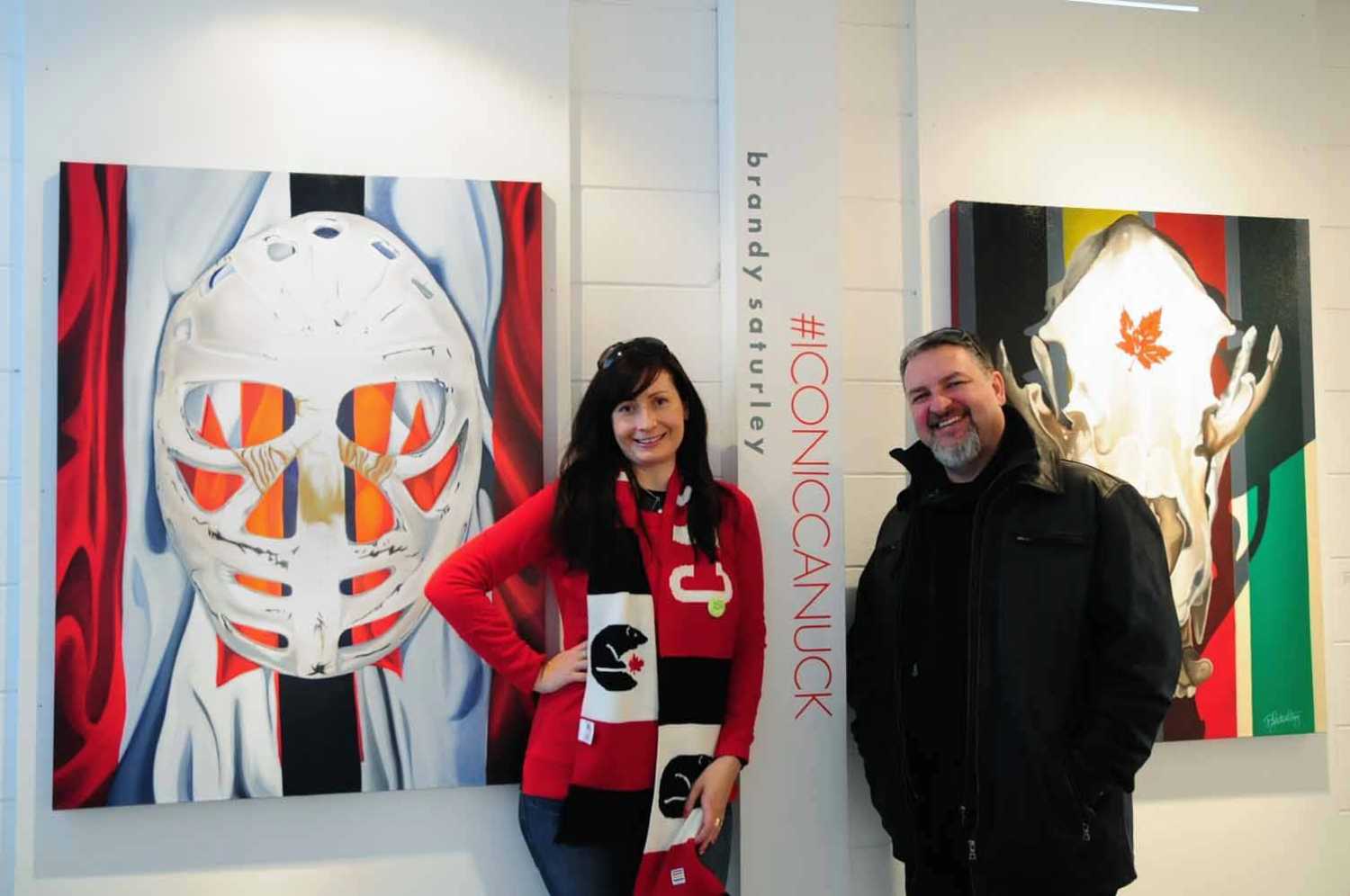
Artist's Circle Friends

Brandy Saturley and Robert G. Bain

A Long Tradition of Gathering

The artist’s circle has no single beginning. Artists and thinkers have gathered in different ways across cultures and centuries, sharing ideas, discussing work, and finding people willing to imagine something new.

One familiar expression of this tradition is the salon. In seventeenth-century France, private homes became gathering places for literary and intellectual conversation, often hosted by women. These gatherings helped shape cultural life, with their influence extending well beyond the rooms where people met.

Centuries later, the Paris gatherings associated with Gertrude Stein and her family brought artists, writers, and collectors into close conversation with modern art. The Steins opened their homes on Saturday evenings to visitors who arrived with a reference, creating opportunities to encounter new paintings and the people making them.

There is something appealing about that image: a room full of art, conversation moving in unexpected directions, and someone introducing you to a person whose ideas might change your own. Some circles were selective, and introductions mattered. That can give them an air of mystery. Yet what interests me most is the simple act of bringing people together around a shared curiosity. A meal. A conversation. A painting on the wall that nobody can stop talking about.

That part feels very familiar.
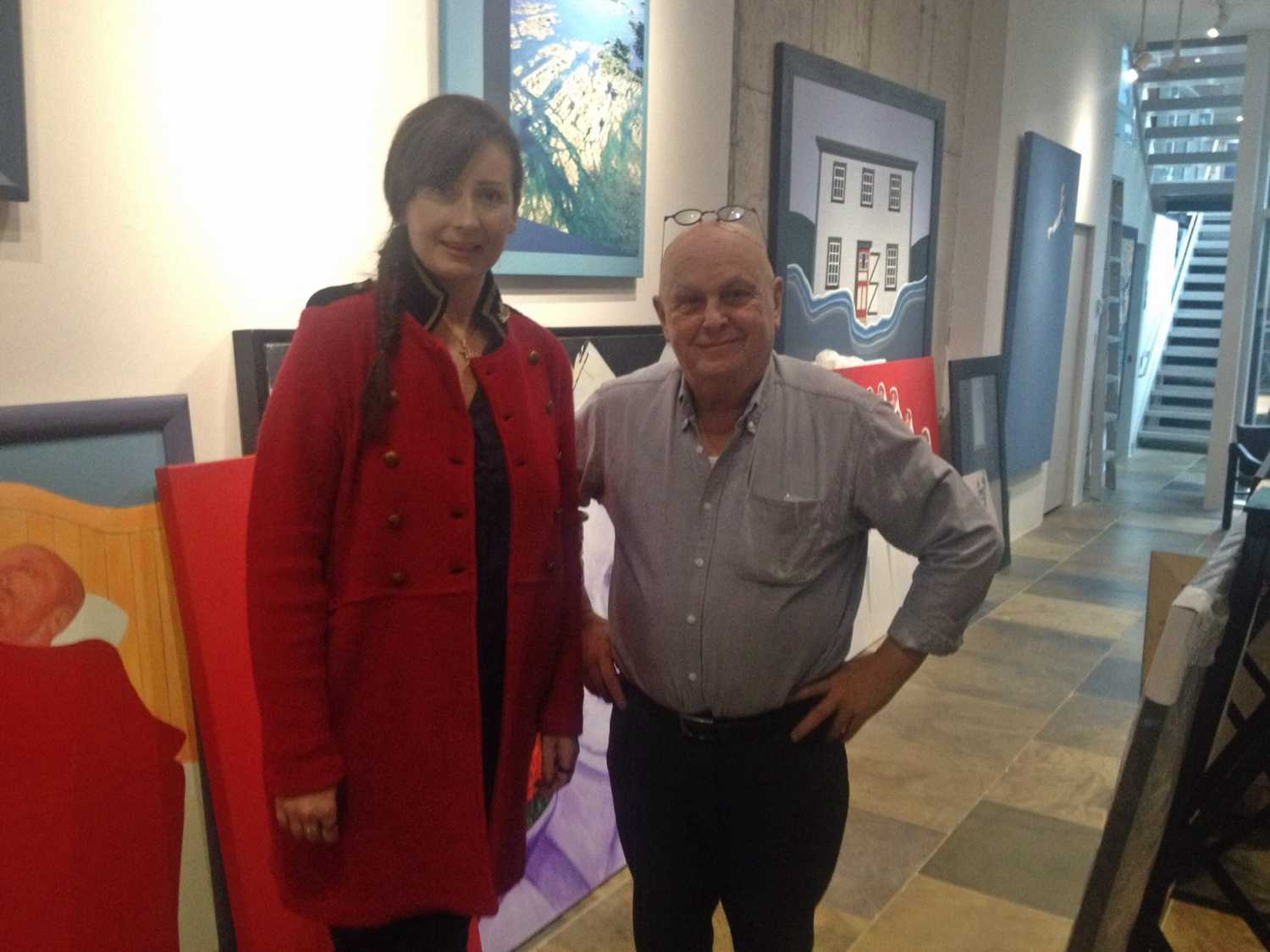
Artist's Circle Friends

Brandy Saturley and Charles Pachter

Finding My People

When I began working toward a full-time art career, I had no clear idea how I would find my community of mentors and friends. I knew I wanted to paint. Learning how to build a life around painting was another education entirely.

At first, the connections came through peers: other artists finding their way, asking similar questions, and navigating the same uncertainties. There is comfort in talking to someone who understands why a small breakthrough in the studio can feel enormous, or why a rejection can linger longer than you would like.

Eventually, I began reaching beyond my immediate circle. I contacted artists, curators, and dealers across Canada who had decades of experience. I wanted to understand the business of art more fully: how the work develops, how galleries operate, how relationships endure, and how an artist sustains a practice over time.

I was curious about the whole picture.

Those conversations helped me see possibilities I could not yet see from my own studio. They also reminded me that the people whose careers I admired had once faced their own unanswered questions. Experience does not remove uncertainty. It gives you more ways to work through it.
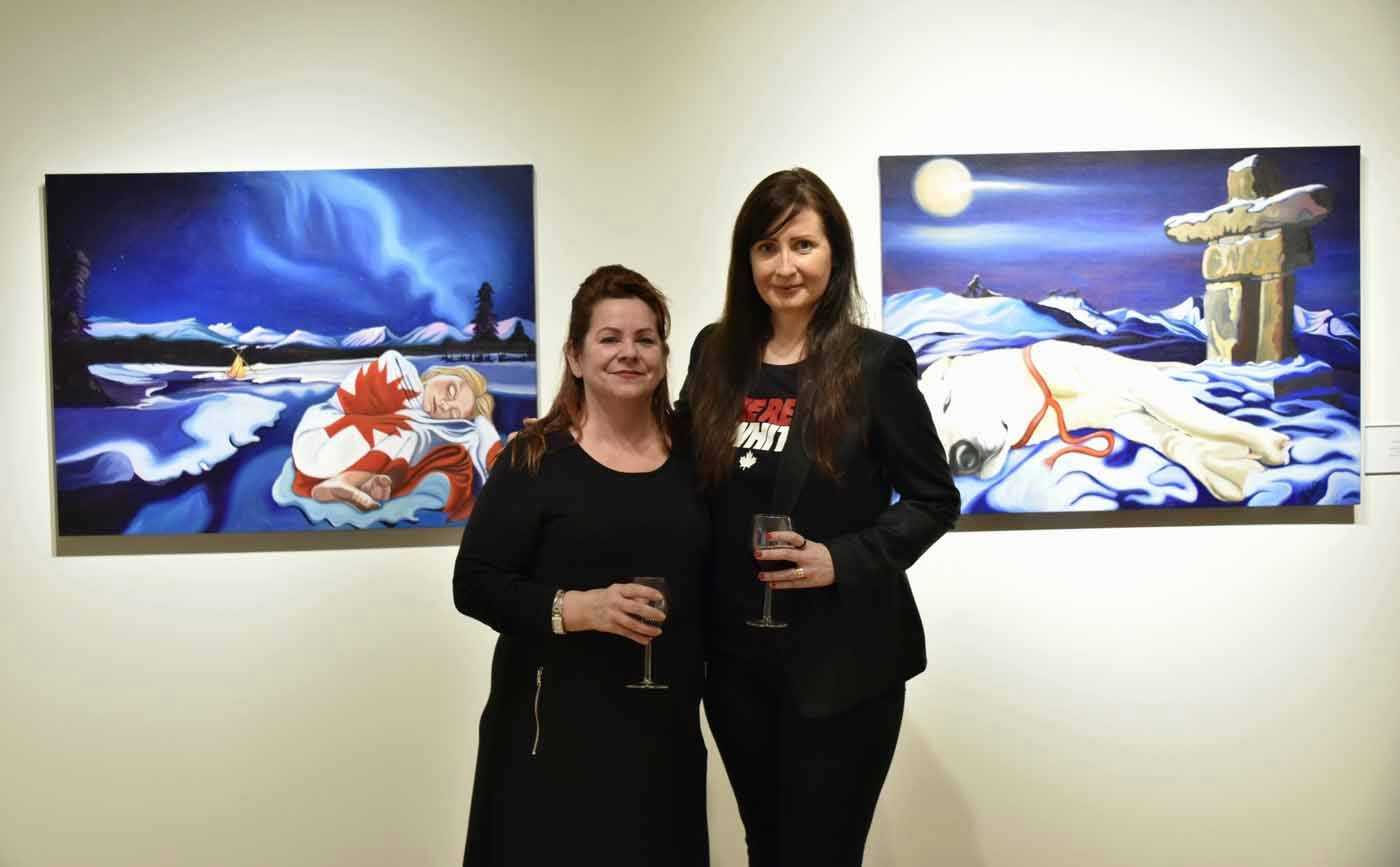
Artist's Circle Friends

Brandy Saturley and Brenda Barry-Byrne

There Was Usually a Meal Involved

Looking back, many of my most meaningful connections involved sitting down to eat.

And at some of the best get-togethers, really great tequila was shared.

There is something about a table that makes room for a different kind of conversation. You begin by talking about an exhibition or a painting, and somewhere along the way you find yourself discussing travel, family, music, disappointment, ambition, or the strange turns a creative life can take.

You get to know the person behind the work.

That matters. A lasting relationship needs room for more than professional exchange. It grows through humour, generosity, shared experiences, and the willingness to listen.

Some conversations leave you with practical advice. Others leave you feeling more like yourself. Both can make a difference when you return to the studio.
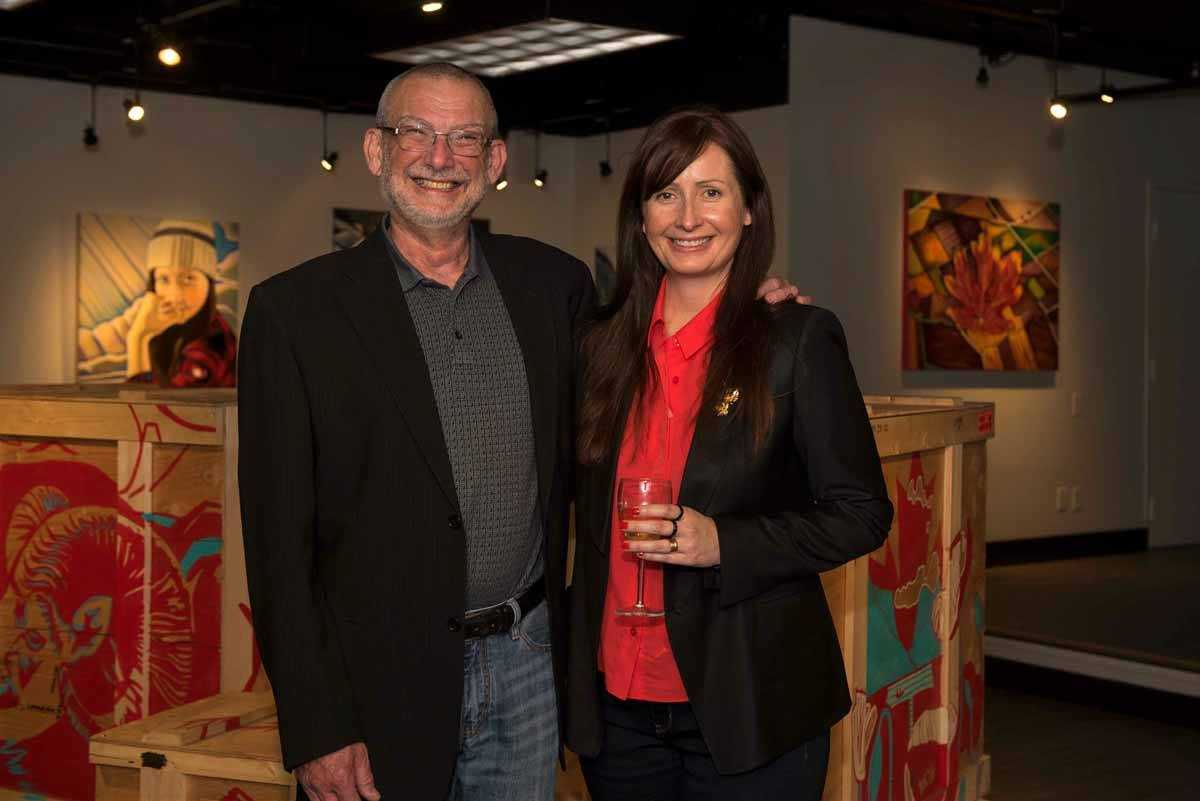
Artist's Circle Friends

Brandy Saturley and Gordon Milne

Encouragement, Honesty, and a Little Perspective

When you are starting out, having even one person firmly in your corner can make an enormous difference.

Someone who believes in you before there is much evidence for anyone else to examine. Someone who offers encouragement when the work is difficult, the sales are quiet, or your confidence has temporarily left the building.

From there, your circle grows.

You find people who lift you up, pique your curiosity, and challenge you as an artist. The best relationships can hold encouragement and honesty at the same time. A trusted person can celebrate your progress and still ask a question that makes you look at a painting again.

I value that balance.

I also value people whose experiences differ from mine. A dealer sees a painting through conversations with collectors. A writer finds language for something I may have expressed instinctively. A collector brings a personal history to the work and notices a detail that carries unexpected meaning.

Those perspectives expand my understanding of what happens after a painting leaves my hands.
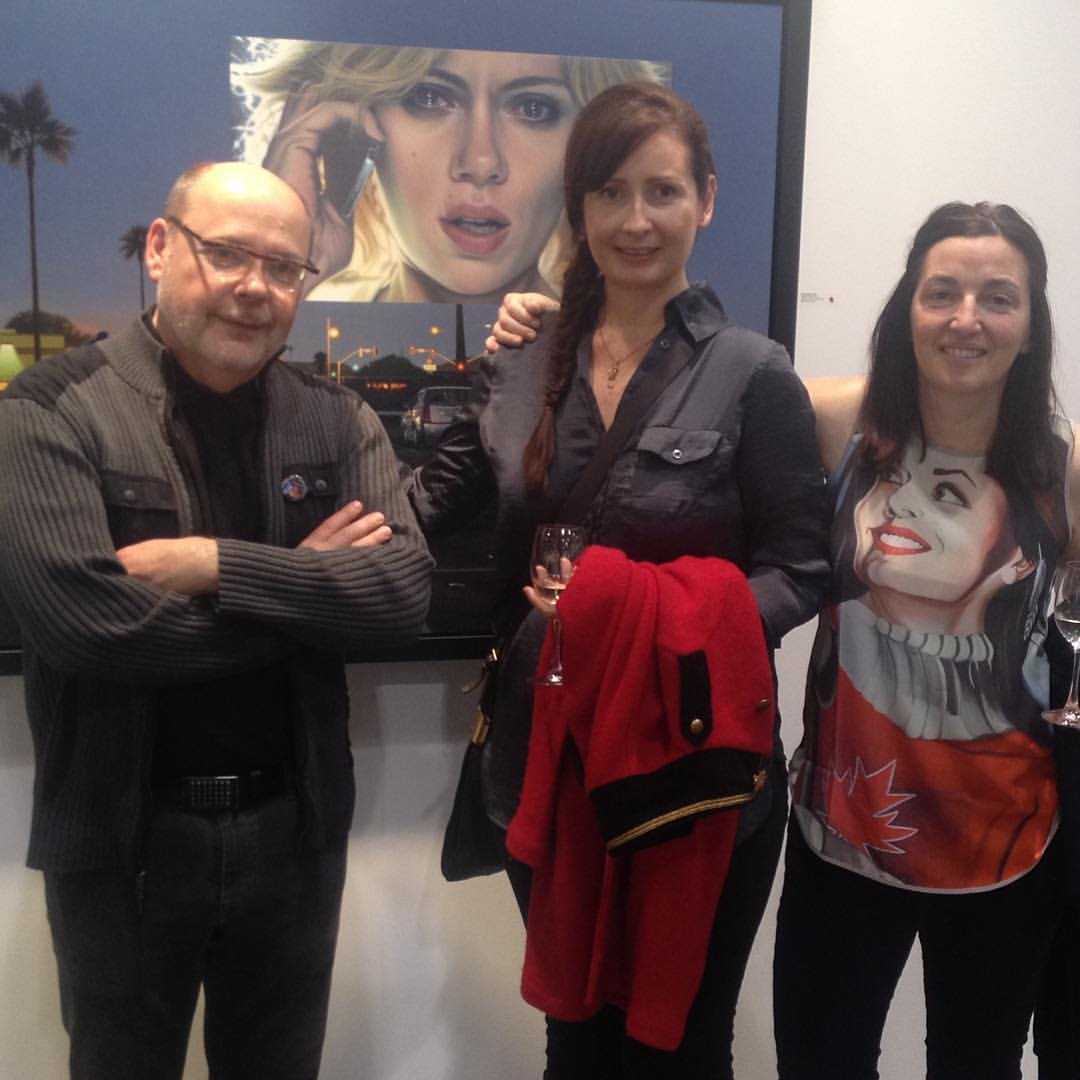
Brandy Saturley and Andrew Valko and Jennifer Luckay

Artist’s Circle Friends: The Circle Around a Painting

For collectors, the most visible relationship may be between the artist and the finished artwork. Yet a painting exists within a much wider community. There are suppliers who help us find the right materials, galleries that introduce the work to new audiences, writers who give it context, and collectors who choose to live with it.

Collectors become part of the circle, too.

Choosing an original painting supports the time, attention, and persistence required to make the next body of work. Sharing a painting with a friend, visiting an exhibition, or sending an artist a thoughtful message can also begin a connection that lasts for years. I may be the person holding the brush, but I am aware of the relationships that help make a sustained painting practice possible.

That awareness brings gratitude – and a sense of responsibility to contribute in return.
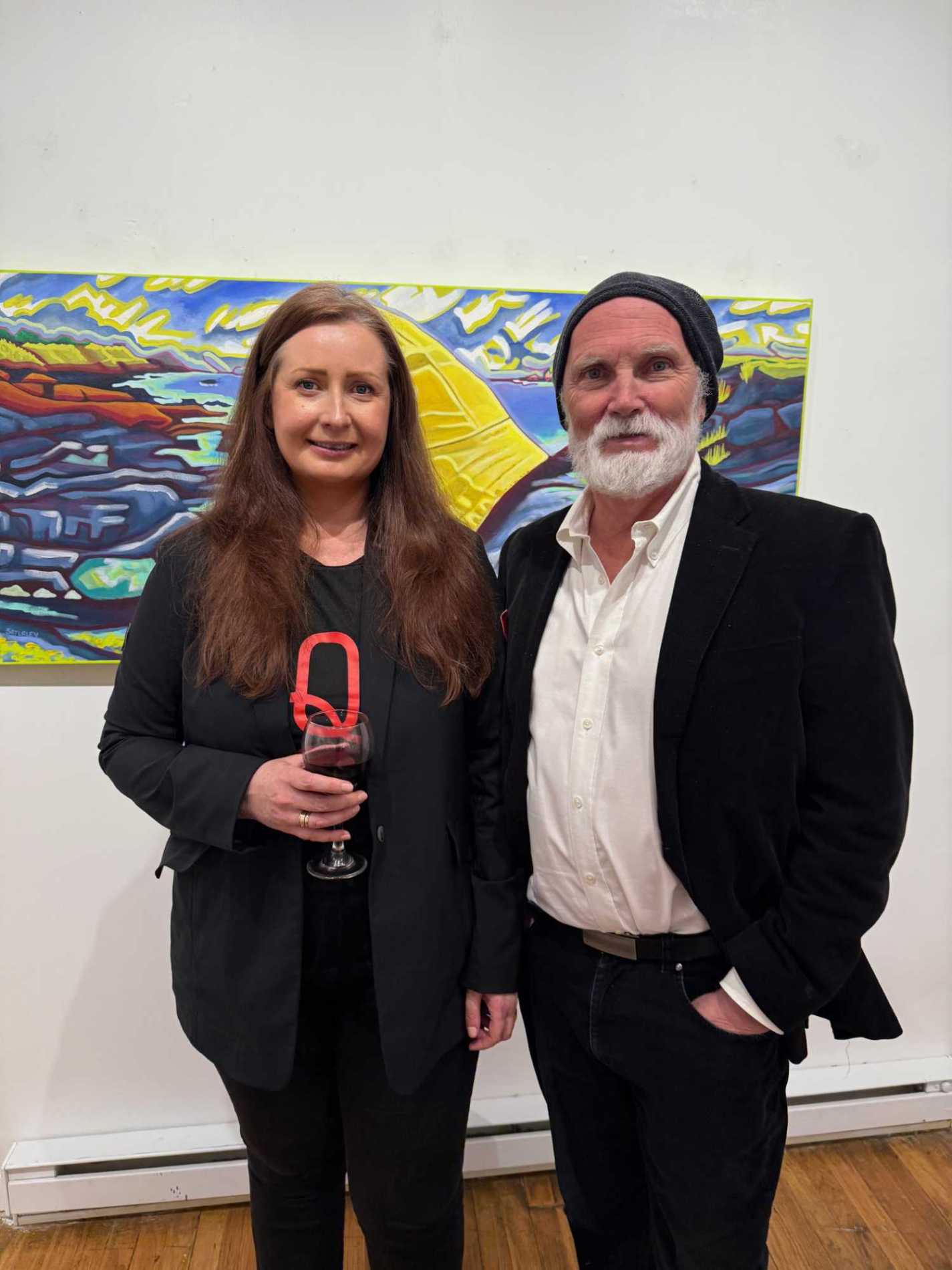
Brandy Saturley and James Baird

When Mentors Become Peers

One of the rewarding changes that comes with time is seeing relationships evolve. People I once approached as mentors have become peers. There is a shared history now, and the conversations have changed as my own experience has grown. At the same time, I find myself sharing what I have learned with younger artists. I remember what it felt like to have so many questions. If something I have learned can help another artist approach a gallery, prepare for an exhibition, or feel more confident about their next step, I am happy to share it.

There is still plenty for me to learn. New connections continue to bring fresh ideas and unexpected possibilities. But I also appreciate the depth of relationships maintained over many years. You have seen one another through different chapters. You understand how much work sits behind the latest announcement or finished painting.

That kind of knowledge takes time.
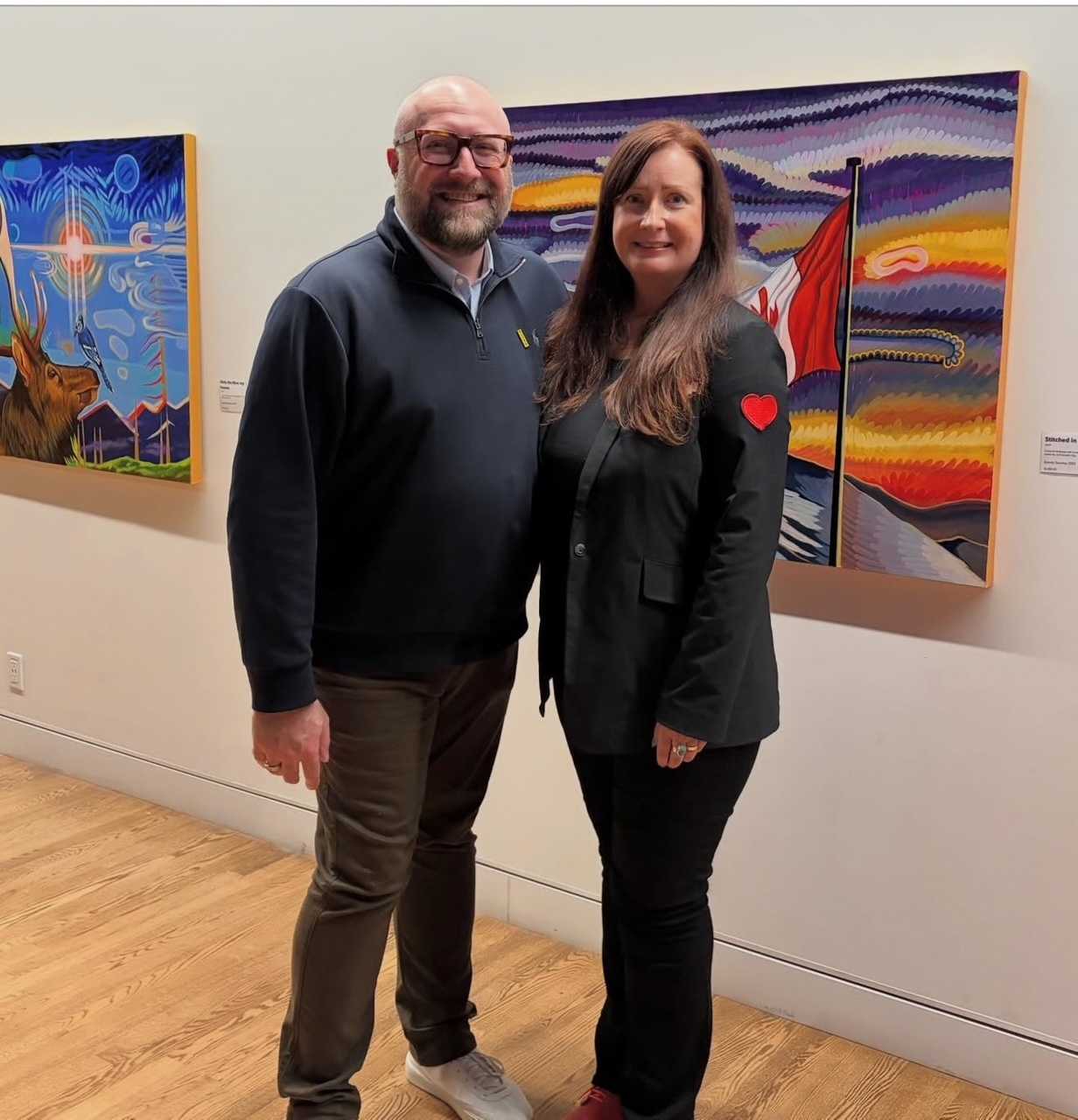
Brandy Saturley and Jared Tabler

A Circle of Independent Spirits

Someone once told me that gathering artists to complete a task—or simply getting them to meet on time—is like herding chickens.

I think we are more like cats.

At least, I am.

I value my independence. I need long stretches of uninterrupted time, and I tend to follow an idea wherever it takes me. There are days when I am perfectly happy with paint, music, and very little conversation. Then comes the moment when I need to step outside the studio. To share a meal, see someone else’s work, laugh about the business, or talk with a person who understands this particular way of moving through the world.

Over nearly twenty years, my artist’s circle has grown through those moments. Some relationships have become friendships. Others have offered guidance at exactly the right time. All have helped shape the life surrounding the paintings. To the people who have encouraged me, challenged me, collected my work, shared their knowledge, or pulled up a chair: thank you.

And if there happens to be a little good tequila on the table, so much the better.
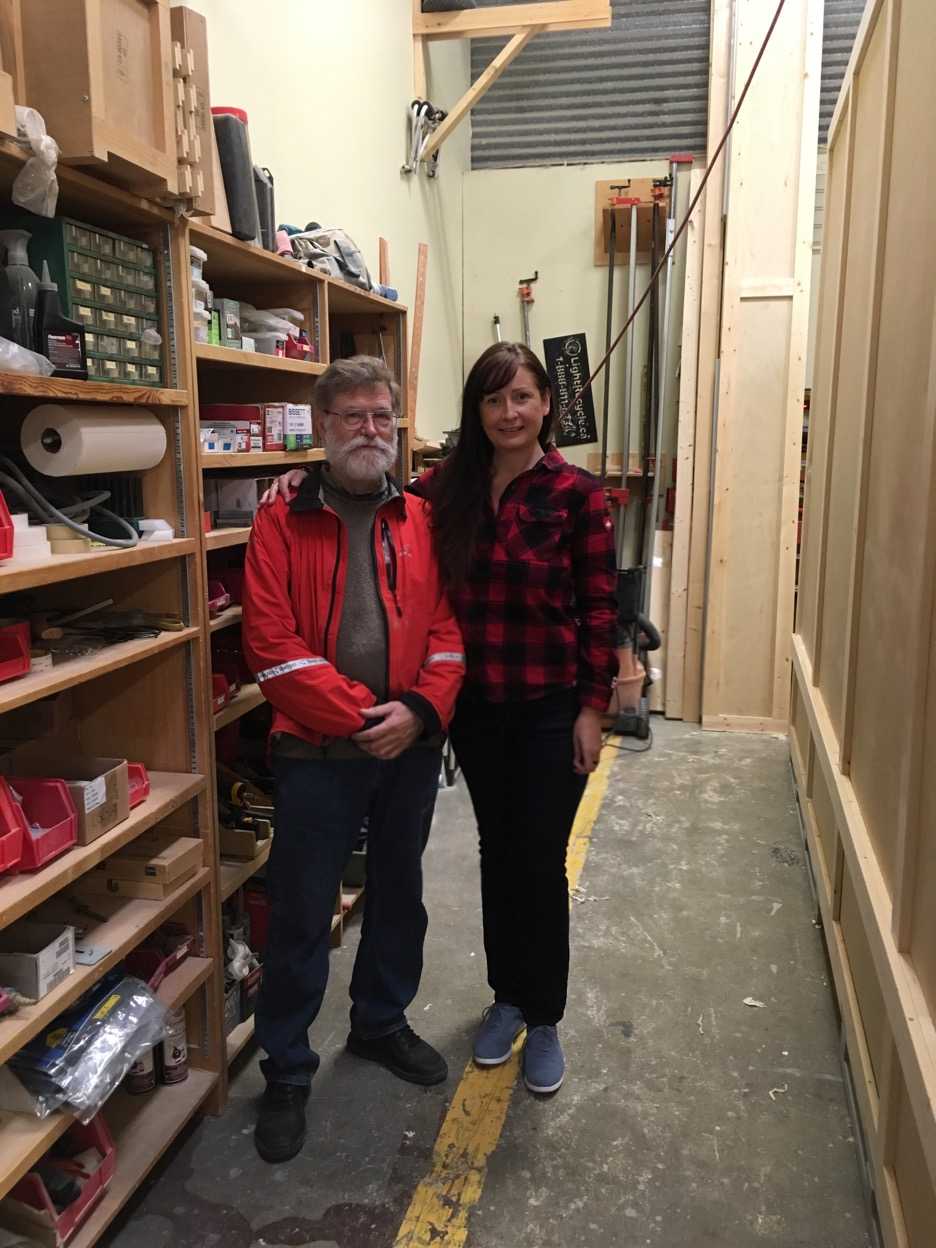
Brandy Saturley and Rod Russell
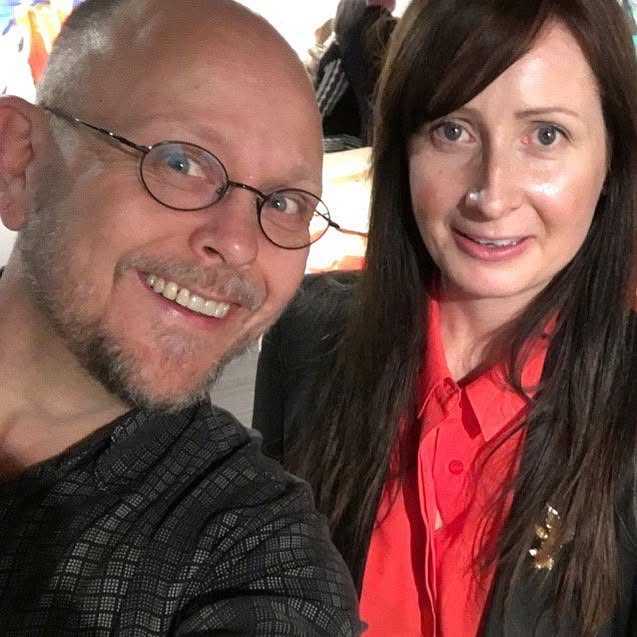
Brandy Saturley and Allen Boss
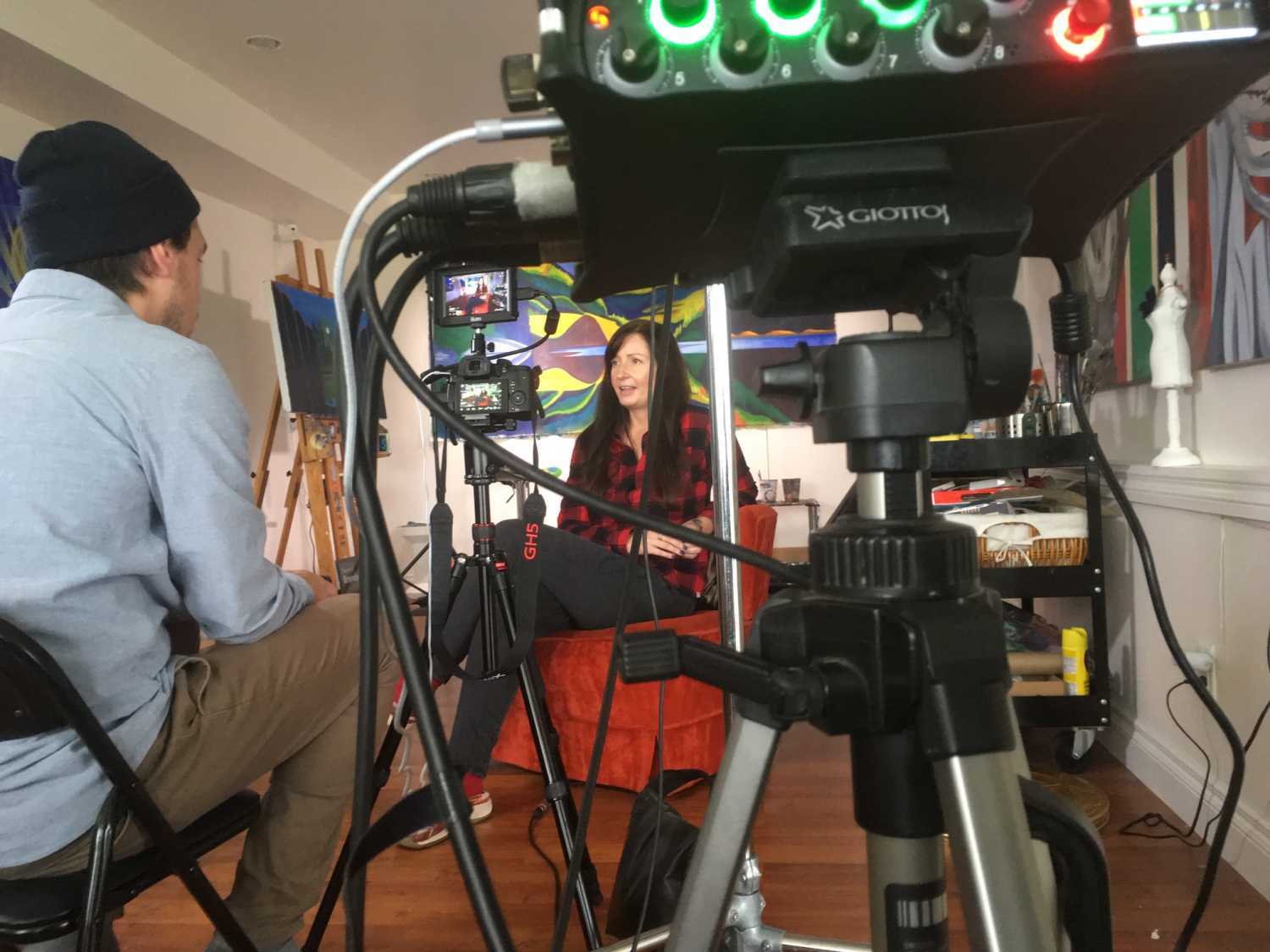
Brandy Saturley and Randy Frykas
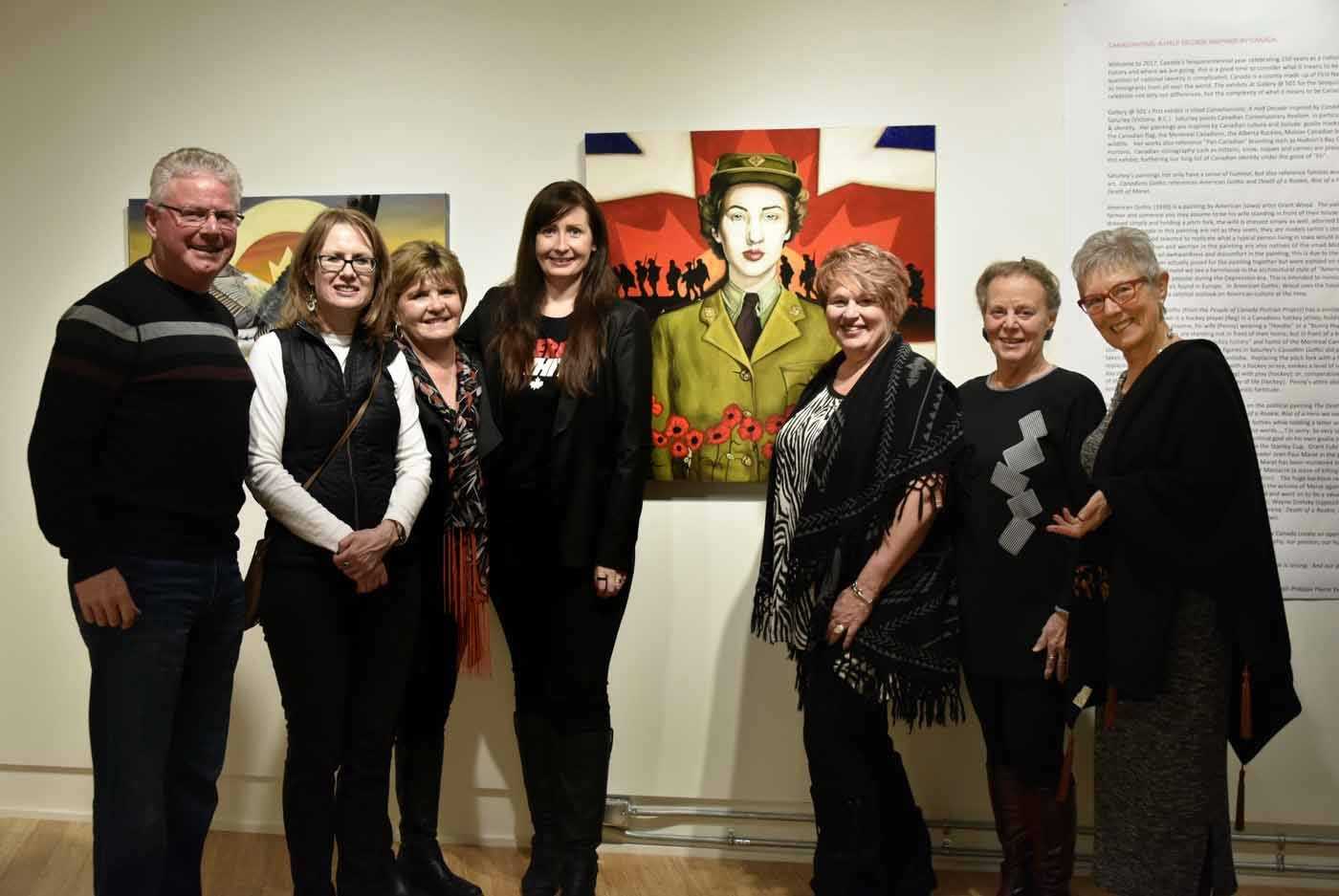
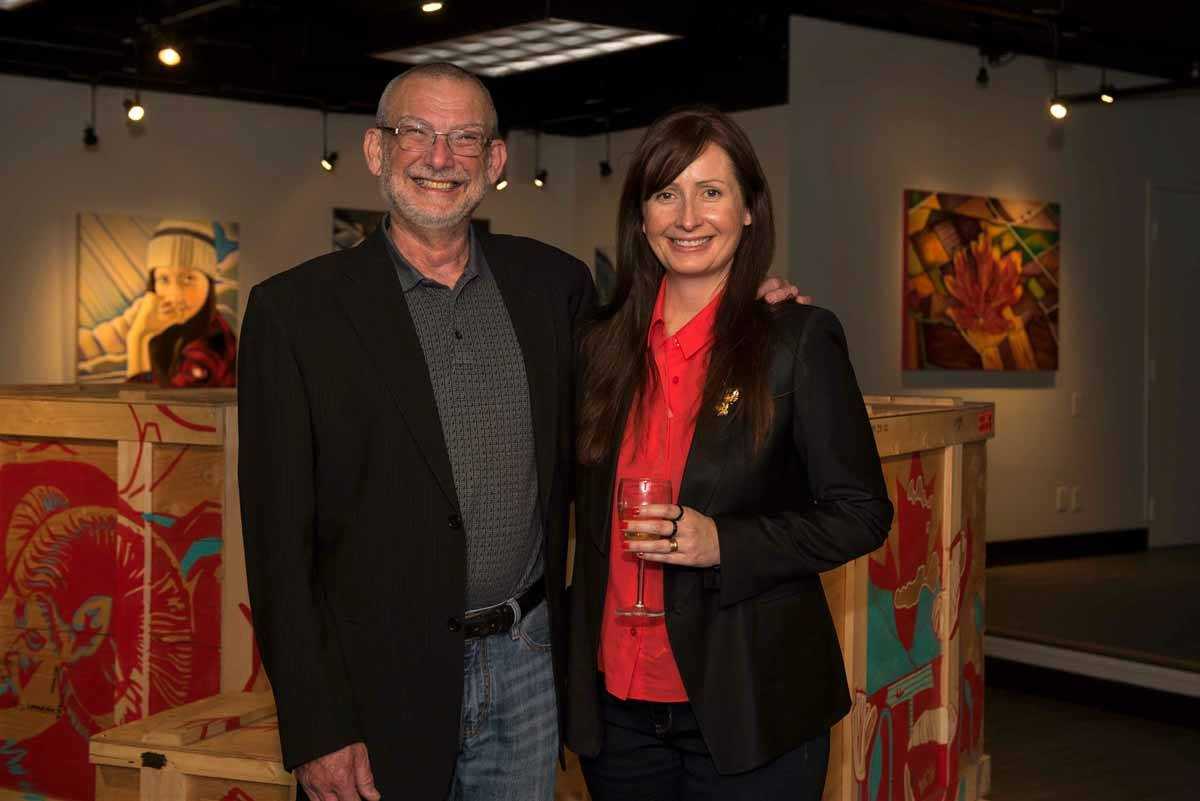
Brandy Saturley and friends at Gallery @501 Strathcona County
November 10, 2026
https://www.brandysaturley.com/wp-content/uploads/2026/11/16601805_1530982210263933_3369532878402685070_o.jpg 937 1400 Brandy Saturley https://www.brandysaturley.com/wp-content/uploads/2020/10/brandysaturley_logo.png Brandy Saturley2026-11-10 15:24:222026-11-10 15:30:56Artist’s Circle Friends

Beyond the Painting

Art Career

Beyond the Painting: The Personal Connections Behind an Art Career

Over the years, I have come to realize that some of the most meaningful parts of my art career have very little to do with the time I spend alone in my studio. They have to do with the people I meet because of my paintings, and the unexpected relationships that develop along the way.

Since leaving my full-time job in 2006 to pursue art as a career, I have created hundreds of paintings, exhibited across Canada and internationally, and met collectors from all walks of life. I expected that building a career as an artist would involve making work, exhibiting, marketing, and finding people who connected with what I was doing. What I didn’t fully anticipate was the depth of the personal connections that would grow from those encounters.

Sometimes, a painting catches someone’s attention because of its colour, subject, or familiar Canadian imagery. Sometimes, it evokes a memory, a place, or a person they love. And sometimes, a collector develops such a deep connection to a painting that they want to know more about the person who created it.

I understand that curiosity. When a work of art becomes meaningful to someone, it is natural to wonder about the person behind it. What inspired them? What experiences shaped their perspective? What were they thinking about when they made it?

I am happy to share those stories. But over time, I have also come to understand that the relationship between an artist and a collector can become something much more than an exchange of money for a painting. It can be a connection that carries joy, unexpected intimacy, and, at times, a profound sense of responsibility.

Beyond the Painting

Ride My Wake, c. 2014 Acrylic on canvas 36 x 48 x 1.5 in Brandy Saturley

When a Painting Becomes Personal

My paintings often explore Canadian identity, cultural icons, our relationship with the landscape, and the stories we tell ourselves about the place we call home. I am interested in the symbols and imagery that shape our collective identity, but I am equally interested in the personal stories that exist beneath the surface.

When I begin a painting, I have my own reasons for making it. There may be a photograph that captures my imagination, a place I have visited, a moment in Canadian history, or an idea I want to explore. I make decisions about composition, colour, symbolism, and the details that will bring the work to life. But once a painting leaves my studio, its story begins to expand beyond my intentions.

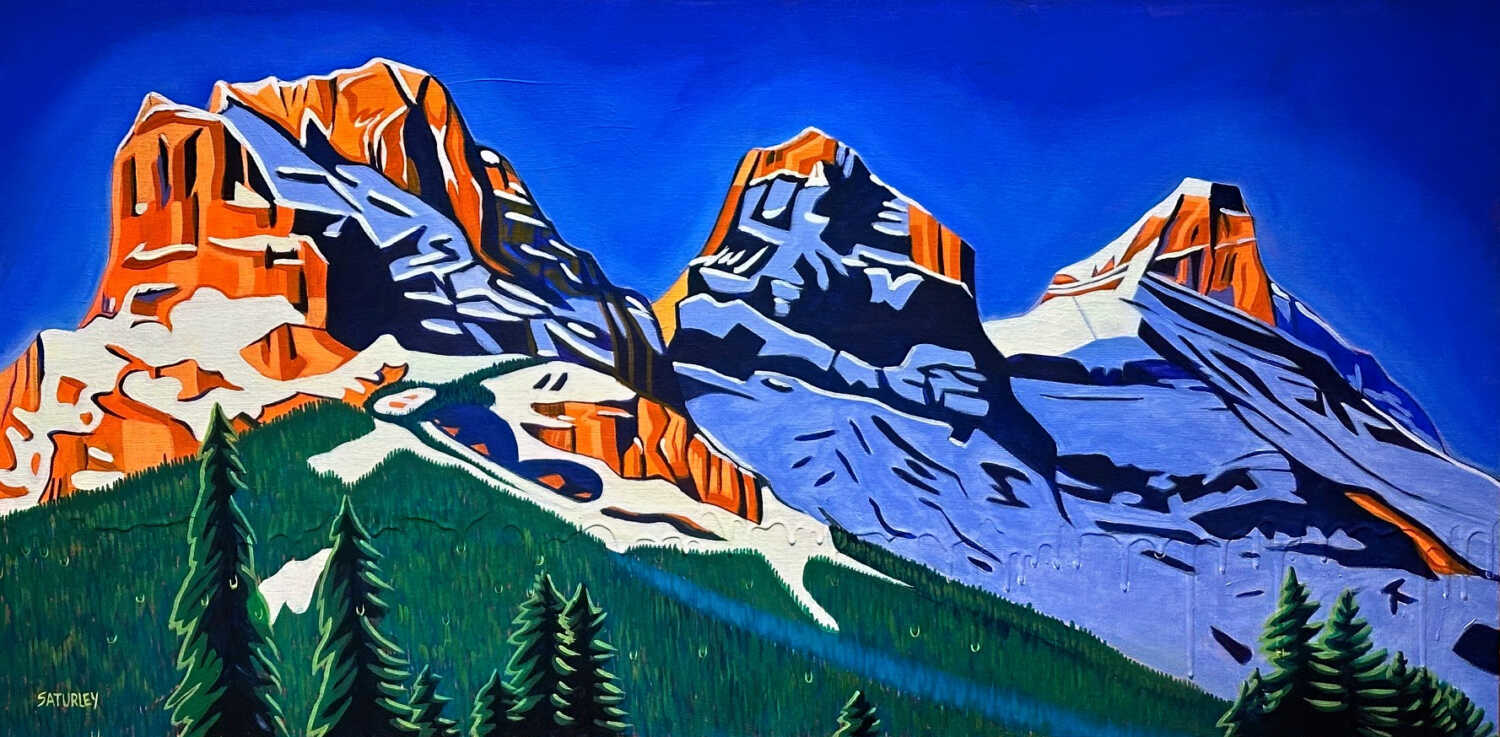
A collector brings their own experiences, memories, and relationships to the work. Something I painted for one reason may hold an entirely different meaning for someone else. I cannot always anticipate what they will see, and I certainly cannot dictate what the painting will eventually mean to them. I find that fascinating. It is one of the things that keeps me curious about the relationship between art and the people who live with it. I remember a collector who purchased one of my paintings of Three Sisters Mountain. Later, they explained to me that the three peaks represented their own three sisters. I had painted a mountain, but they had seen their family.

That simple revelation has stayed with me. What I had approached as a landscape had become a personal symbol of family and connection. The painting had taken on a meaning that extended beyond the place itself and into the collector’s own life. These moments remind me that a painting doesn’t have to tell only one story. My interpretation is embedded in the choices I make, but the viewer brings their own life to the experience. Their memories, relationships, and emotions become part of what they see. Sometimes collectors share these personal connections with me. Other times, I may never know the full extent of what a painting means to the person who owns it.

We may be the ones who make the paintings, but we don’t have the final word on their meaning.

Beyond the Painting

Three Sisters, 2025 Oil and Acrylic on canvas 24 x 48 x 1.5 in Brandy Saturley

When a Painting Becomes Part of Someone’s Story

Some relationships that begin with a painting continue to grow long after the work has left the studio.

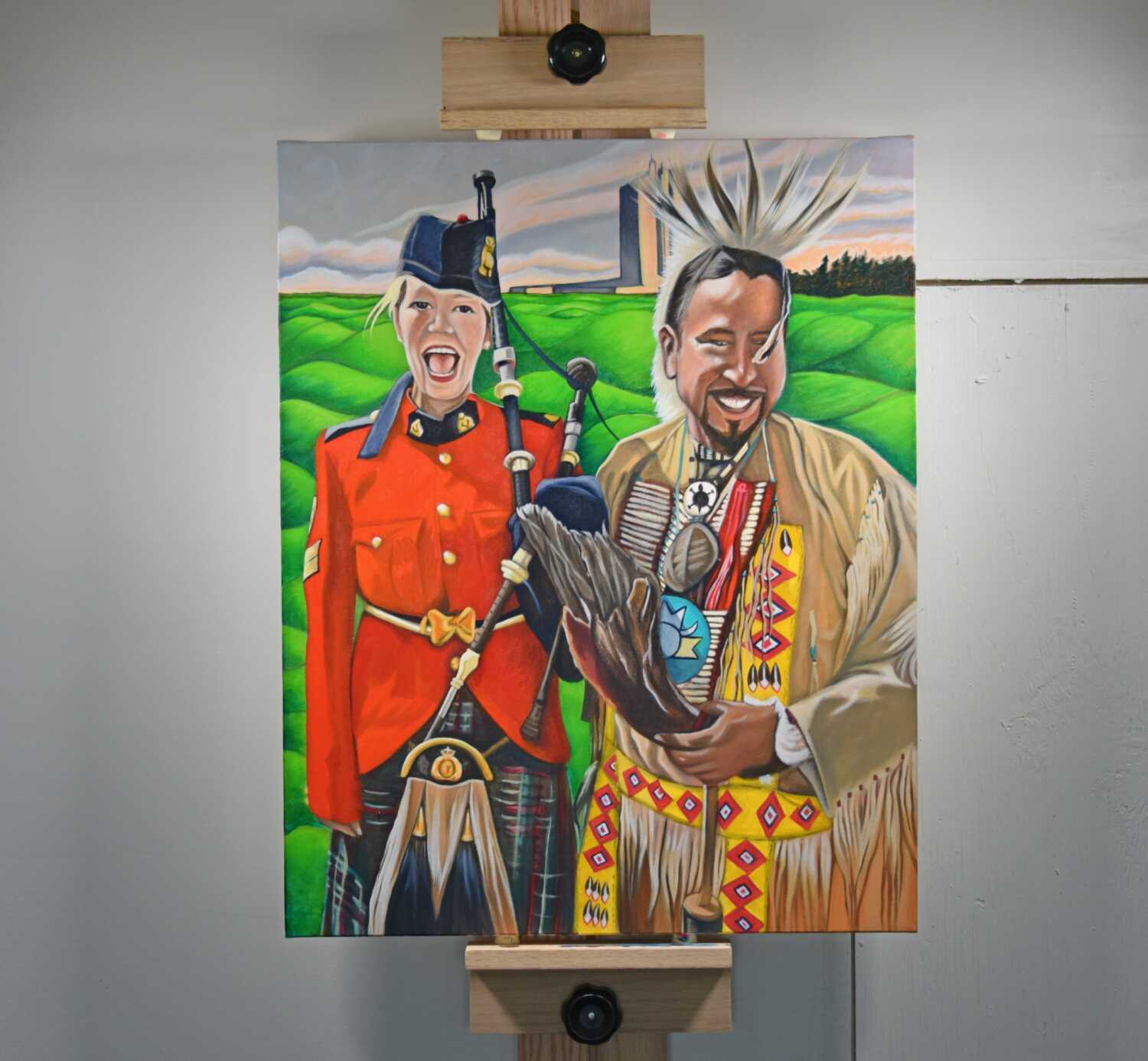
One of the most memorable connections of my career began with a portrait I painted of a collector, capturing a moment during the Vimy100 anniversary commemorations. At the time, I could not have known the journey that painting would take, or the place it would eventually hold in both our lives. When I travelled to the Banff Centre for Arts for a residency, the collector followed my work and made a point of coming to see me. They took me out for lunch, and shortly afterwards, we began communicating on a regular basis. Our conversations continued over time, and they subsequently purchased three of my paintings.

What began with a shared connection to a work of art developed into a relationship that extended well beyond the usual exchange between artist and collector. As the years passed, I stayed in touch with them through their battle with cancer. It was a difficult time, and I valued being able to maintain that connection as they navigated their illness. Eventually, the cancer took their life. At their funeral, the portrait I had painted of them during the Vimy100 commemorations was on display.

I have thought about that painting many times since. When I created it, I was capturing a particular moment, one connected to remembrance, history, and the Canadian experience. I could never have anticipated that the portrait would eventually be present at the funeral of the person I had painted. The work had become more than a record of a moment. It had become part of a much larger story, one that included a friendship, the passage of time, and the loss of someone whose life had intersected with mine through my art.

There is something profoundly moving about that.

As artists, we cannot know where our paintings will go or what role they will eventually play in someone’s life. We make the work, release it into the world, and hope it finds a meaningful connection. Sometimes, that connection reaches far beyond anything we could have imagined when we stood in front of the canvas.

Experiences like this have deepened my understanding of what it means to share my work with others. When someone allows you into their life because of something you have created, you recognize that you are being trusted with something that matters to them.

I don’t take that lightly.

Vimy Jam Acrylic 30 x 24 x 1.5 in Brandy Saturley

The Joy and Responsibility of Connection

There is a particular joy in discovering that a painting has become important to someone. It is one thing to have a person appreciate your work, but it is quite another to hear how deeply they connect with it.

These connections can be unexpected. A landscape can represent a family. An image inspired by a moment in Canadian history can become part of a person’s own life story. A painting can lead to conversations, friendships, and relationships that continue for years. I feel fortunate to have experienced this side of an art career. But there is another side to it, too. When people develop a strong connection to your work, their interest sometimes extends to you as the artist. They want to know who you are, hear your stories, meet you in person, have a photograph taken together, or ask for an autograph.

These are experiences I have had to get used to as my career has grown. Most of my working life is spent alone in my studio. Creating art is a solitary pursuit. I spend hours thinking, observing, experimenting, and working through the many decisions that eventually become a finished painting. It is an inward-looking process, one that requires concentration, time, and space.

I don’t spend those hours thinking about being a public figure. I am thinking about the work in front of me. Yet the paintings can take me into a very different world, one where people are interested in the person who made them. It can feel a little surreal to move between the quiet of the studio and the expectations that sometimes accompany being a recognized artist.

I understand the curiosity. When we feel a strong connection to something an artist has created, we may want to know more about the person behind it. Meeting the artist can add another dimension to the experience of owning a painting. At the same time, I have had to learn that the public identity of an artist and the private person who creates the work are not quite the same thing.

I am still the person who spends hours alone with a canvas, trying to resolve a composition or find just the right shade of blue. The paintings may travel farther than I do, and they may introduce me to people I would never otherwise meet, but the creative process remains deeply personal. For me, part of the responsibility of being an artist is learning how to navigate that difference. It means appreciating the people who connect with my work, recognizing the trust they place in me, and remaining genuine in those encounters, while also protecting the solitude that allows me to create.

I am still learning to find that balance.

Beyond the Painting

More Than a Transaction

The business of being an artist has its practical realities. Paintings need to be priced, packaged, shipped, exhibited, and sold. There are deadlines, expenses, and countless hours of work behind the scenes. Building a sustainable career requires much more than simply painting.

But if I measured my career only by the number of paintings I have sold or the exhibitions I have participated in, I would miss an important part of the story.

My work has introduced me to people I might never otherwise have encountered. It has created conversations and connections built around shared interests, memories, and ways of seeing the world. Some relationships begin with a single painting. Others continue as collectors follow my work and career over time. These relationships remind me that an art career is not built entirely within the four walls of a studio. It is also built through the exchange between the person who creates and the person who responds.

When someone purchases a painting, they are choosing to live with a piece of my perspective. They may connect with the imagery, the story, or simply the feeling the work evokes. Over time, the painting may become intertwined with their own experiences, changing meaning as their life unfolds. That is something I cannot plan or manufacture. All I can do is make the work I believe in and remain open to the connections that follow.

I also recognize that a meaningful relationship does not require constant contact or a particular kind of closeness. Every collector is different, and every relationship develops in its own way. What matters to me is approaching those connections with sincerity and respect, without losing sight of the person I am outside my work.

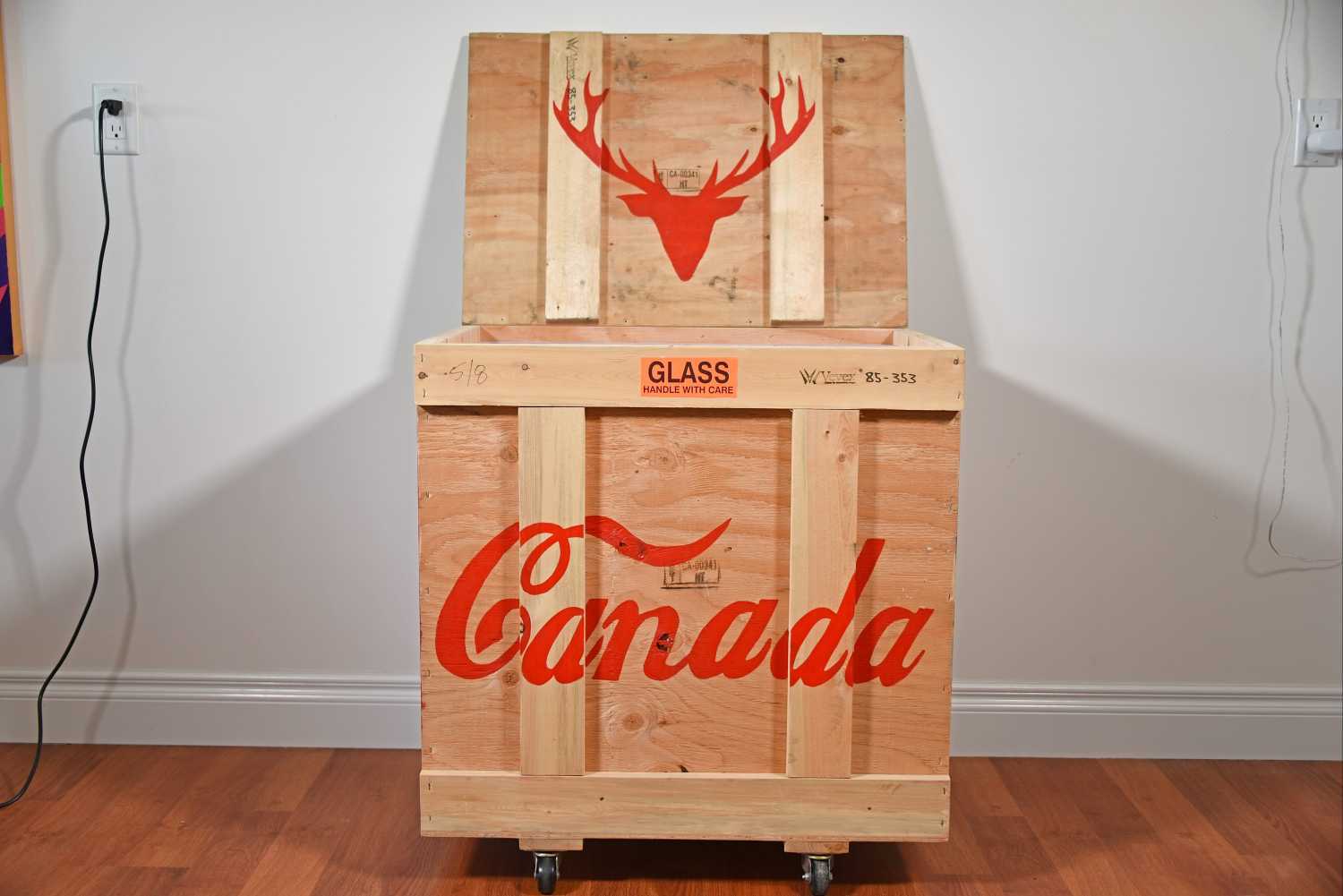
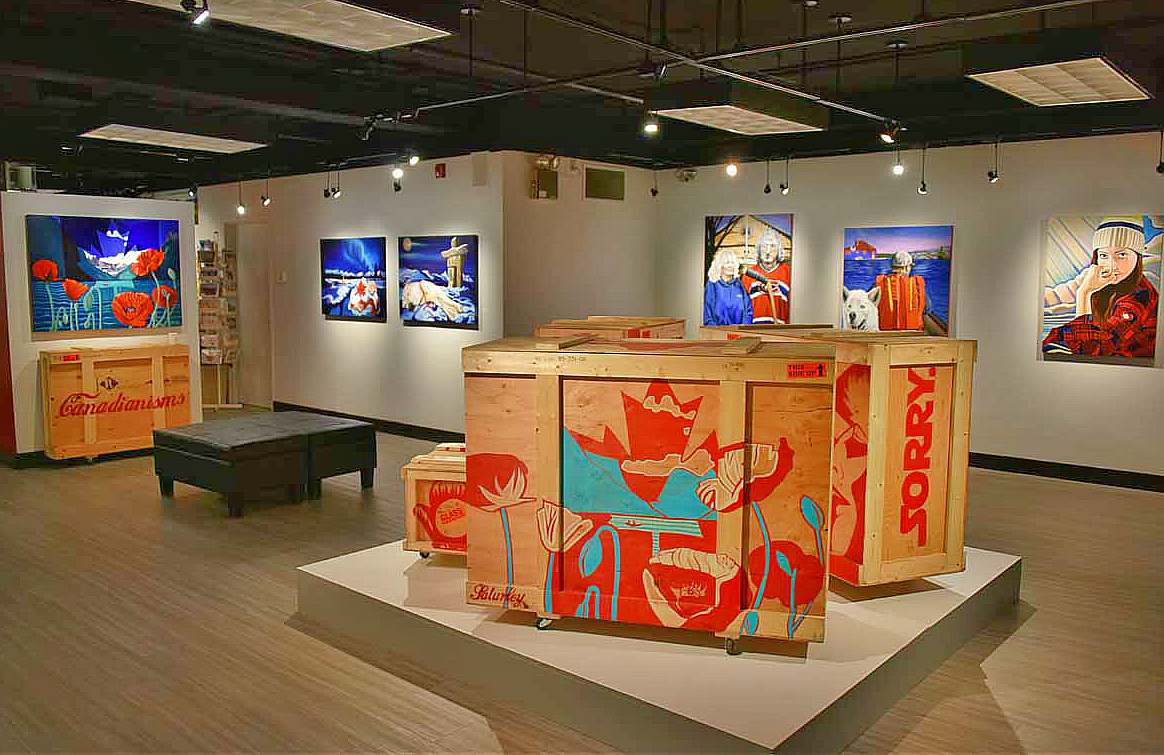
The Art of Brandy Saturley shipping crate

The Stories Continue

After nearly two decades as a full-time artist, I remain fascinated by the unpredictable life of a painting.

I can spend weeks or months bringing a work into existence, thinking carefully about its composition, colours, symbols, and meaning. Yet once it leaves my studio, I no longer control the story. It becomes part of someone else’s world, carrying whatever meaning they discover in it. A painting of a mountain can become a symbol of family. A portrait created to commemorate an important moment in Canadian history can become a treasured reminder of a person’s life. A simple encounter at an exhibition can lead to a relationship that lasts for years.

These experiences have taught me that being an artist is about more than making objects for people to collect. It is about creating work that can connect with others in ways both visible and unexpected. I feel privileged when someone shares a personal story with me, when they tell me what a painting means to them, or when I discover that something I created has become part of their life in a way I could never have foreseen.

I also understand that these connections carry a responsibility. They ask me to be thoughtful about the person behind the collector, to appreciate the trust involved, and to remember that while my work may be public, the process of making it begins in a very private place. The paintings may begin with me, but their stories do not end when they leave my studio.

In many ways, that is one of the greatest gifts of an art career. I set out to create paintings, and along the way, those paintings have introduced me to people, opened doors to unexpected relationships, and allowed me to become part of stories that extend far beyond my own.

I could never have planned that when I began. And I would not want to.

Canadian Artist Museum-Worthy

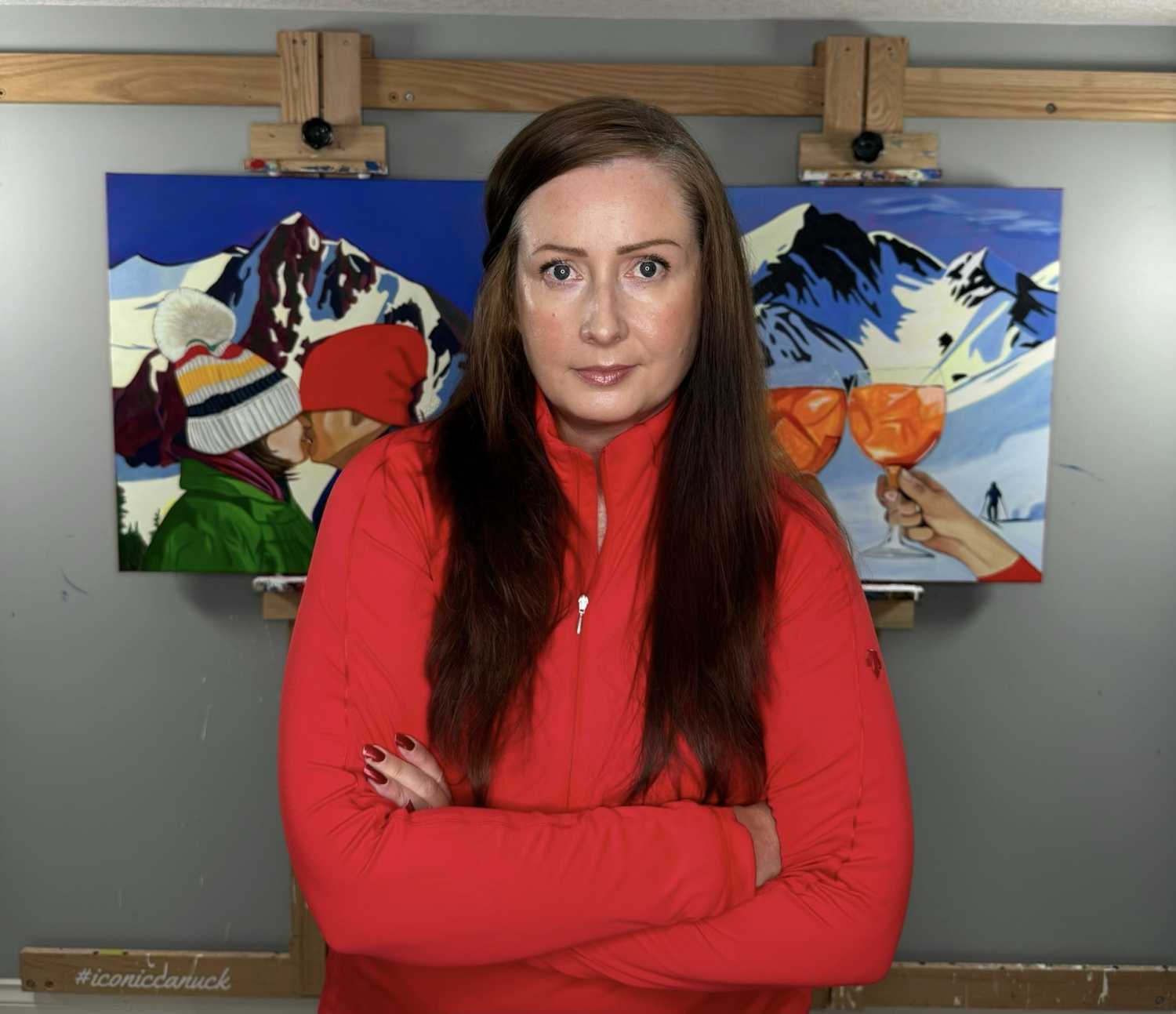
Brandy Saturley in her Parksville, BC studio

October 26, 2026
https://www.brandysaturley.com/wp-content/uploads/2026/10/IMG_0915.jpg 900 1448 Brandy Saturley https://www.brandysaturley.com/wp-content/uploads/2020/10/brandysaturley_logo.png Brandy Saturley2026-10-26 15:27:512026-10-26 15:29:49Beyond the Painting

Canadian Art Documentary

Art Career

Canadian Art Documentary: Inside the World of Artist Brandy Saturley

Looking back at 2019, it doesn’t seem that long ago. Yet, when I consider everything that has happened in my art career since then, it feels like eons.

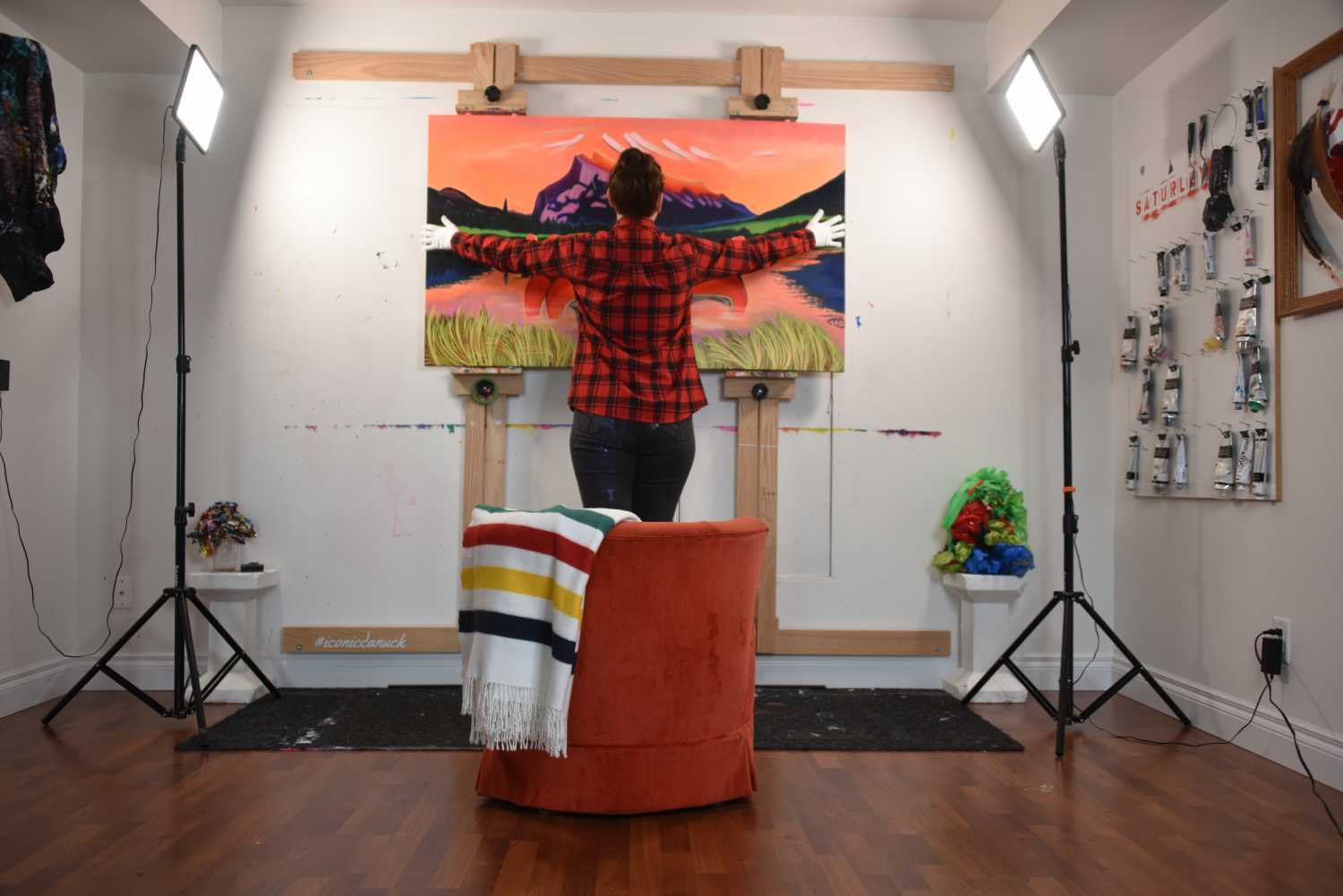
That year, documentary filmmaker Randy Frykas reached out to me about making a short documentary film. I had no idea what to expect. When Randy arrived at my studio, I didn’t know what questions he would ask or how the filming would unfold. There was no preparation, no rehearsed answers, and no script. It was simply two days of filming inside my studio, offering a glimpse into my world as an artist.

The result was The Iconic Canuck, a short documentary that captured a moment in my life and career. At the time, I had no way of knowing just how much would change over the following seven years.

Canadian Art Documentary

A Lot Can Happen in Seven Years

Since that film was made, my art career has continued to evolve in ways I could not have predicted.

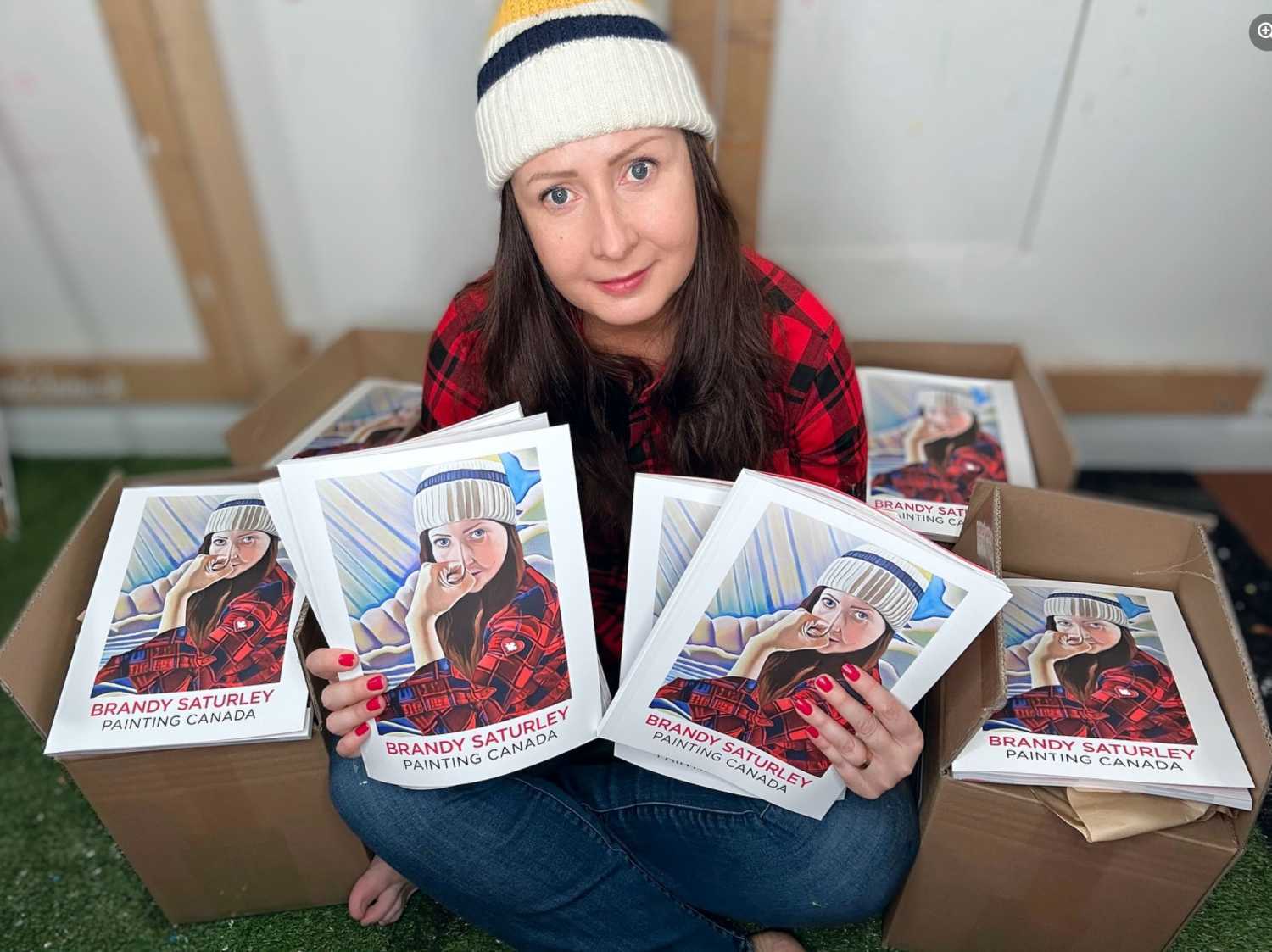
I have gained representation with three galleries, completed two artist residencies in Newfoundland and another at the Banff Centre, and travelled to Boston to exhibit my work. I published my artist monograph, Painting Canada, and had the opportunity to collaborate with The Tragically Hip on a commissioned work. Along the way, I have presented several solo exhibitions and continued to develop my body of work exploring Canadian culture, identity, and iconography.

Each of these milestones represents more than a line on a résumé. They are the result of years spent in the studio, taking risks, pursuing opportunities, and continuing to make paintings even when the next step wasn’t always clear.

My work has evolved, too. The ideas and imagery that have occupied my practice for years have continued to develop, from the symbols we associate with Canadian identity to the stories we tell about our landscapes, wildlife, history, and sense of belonging. My studio practice remains a process of discovery, and I am still finding new ways to tell these stories through painting.

Canadian Art Documentary

The Value of Looking Back

As artists, we tend to focus on what comes next. The next painting, the next exhibition, the next opportunity. There is always another idea waiting to be explored and another challenge to work through.

It can be difficult to recognize how far we have travelled when we are busy moving forward.

Watching the documentary again reminds me of who I was at that point in my career. It captures an unguarded moment, before many of these experiences had happened. There is something valuable about seeing yourself through someone else’s lens and being reminded that a career is not built in a single defining moment. It develops gradually, through countless decisions, experiences, and hours spent doing the work.

Seven years may not seem like a particularly long time, but in an art career, it can hold an extraordinary amount of change.

I am grateful for the opportunities that have come my way, for the people who have helped bring my work to new audiences, and for the continued curiosity that keeps me returning to the studio.

Thank you to Randy Frykas for taking the time to document my world as an artist back in 2019. What began as an unexpected invitation has become a valuable record of a particular moment in my journey.

I look forward to seeing what the next seven years will bring.

Canadian Art Documentary

Watch The Iconic Canuck, a short documentary by Randy Frykas, and step inside my world as a Canadian artist.

CV Brandy Saturley

October 23, 2026
https://www.brandysaturley.com/wp-content/uploads/2020/09/iconiccanuck.jpg 313 549 Brandy Saturley https://www.brandysaturley.com/wp-content/uploads/2020/10/brandysaturley_logo.png Brandy Saturley2026-10-23 10:32:032026-10-23 10:32:03Canadian Art Documentary

Canadian Artist Museum-Worthy

Art Career

What Makes a Contemporary Canadian Artist Museum-Worthy?

What makes an artist’s work worthy of a place in a museum? Is it critical recognition, a distinctive visual language, a sustained body of work, or the ability to capture something meaningful about the time and place in which we live? Perhaps it is a combination of all these things.

As a Canadian contemporary artist, I have spent decades exploring these questions through my own practice. My work examines Canadian identity, culture, history and the symbols that shape our collective imagination. Over the years, I have come to believe that the significance of an artist’s work extends beyond an individual painting. It lies in the larger conversation that develops across a body of work, and in the questions those paintings leave behind.

A Distinctive Visual Language

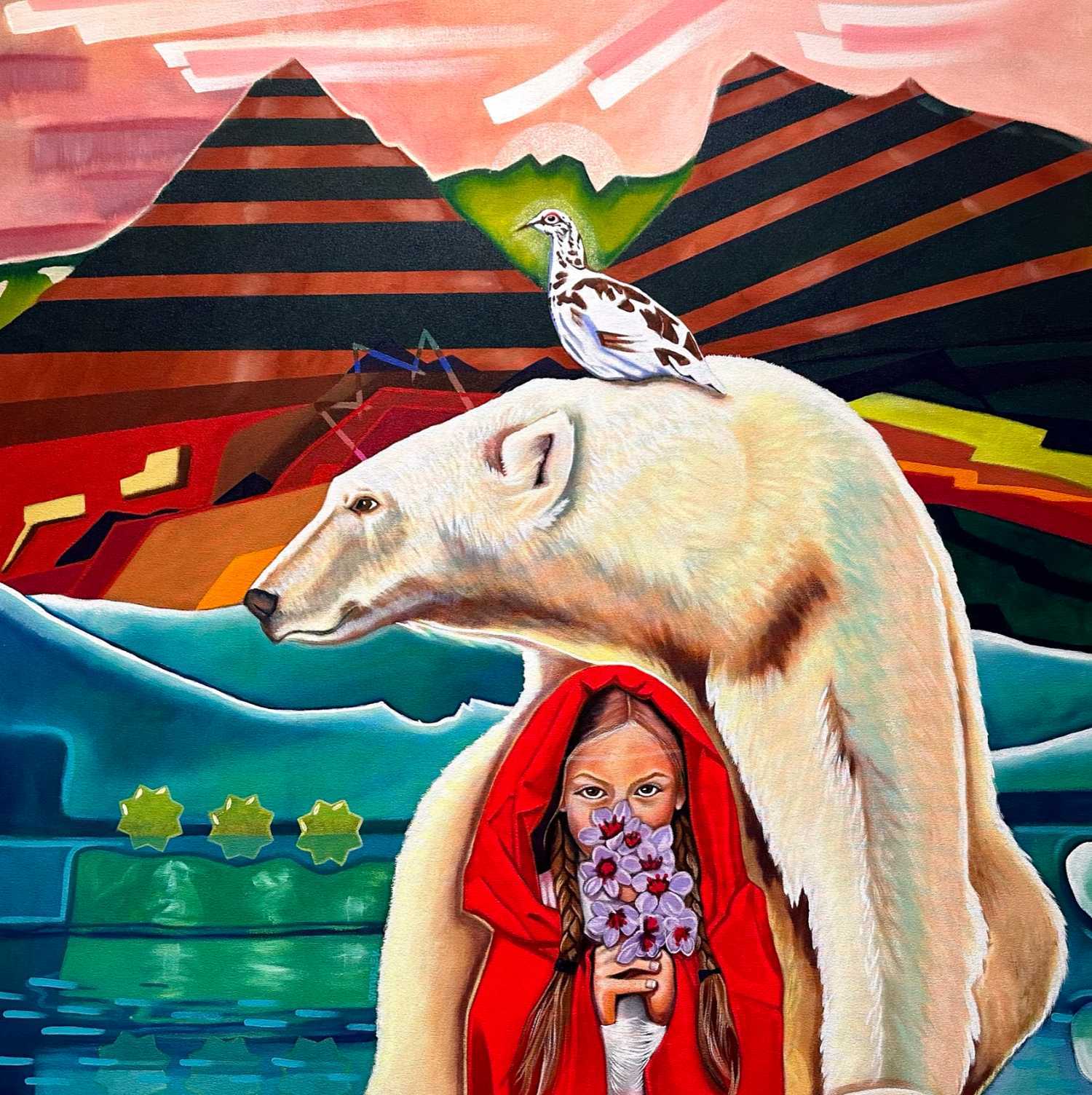
Museums preserve more than beautiful objects. They collect works that contribute to our understanding of culture, history and the human experience. For a contemporary artist, developing a distinctive visual language is an important part of that contribution. What ideas does the artist return to? What questions drive the work? How does the artist interpret the world in a way that is recognizably their own? My own practice centres on what I call the iconography of Canada. I am interested in the familiar objects, colours, landscapes and cultural references that have come to represent this country, from hockey masks and canoes to Hudson’s Bay point blankets and the wildlife of our vast landscape.

These symbols may be recognizable, but their meanings are rarely simple. They can evoke nostalgia, pride, history, commerce, politics and the complicated relationships between people and place. By bringing these elements into contemporary painting, I seek to create visual stories that move beyond illustration and invite a deeper reading of Canadian identity.

A distinctive artistic voice develops over time. It is shaped by experimentation, observation, failure, discovery and the willingness to follow an idea beyond its obvious conclusion.

Canadian Artist Museum-Worthy

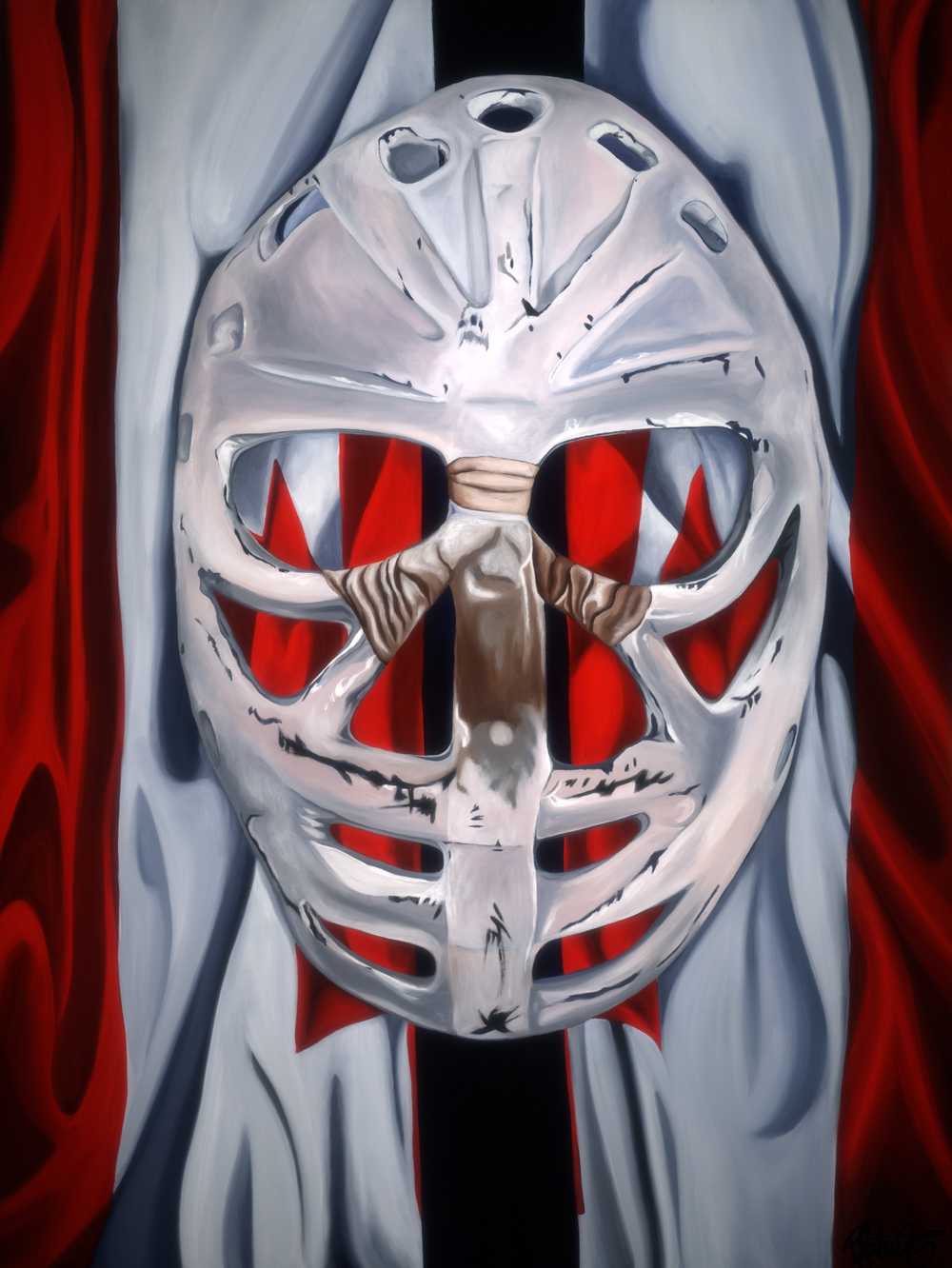
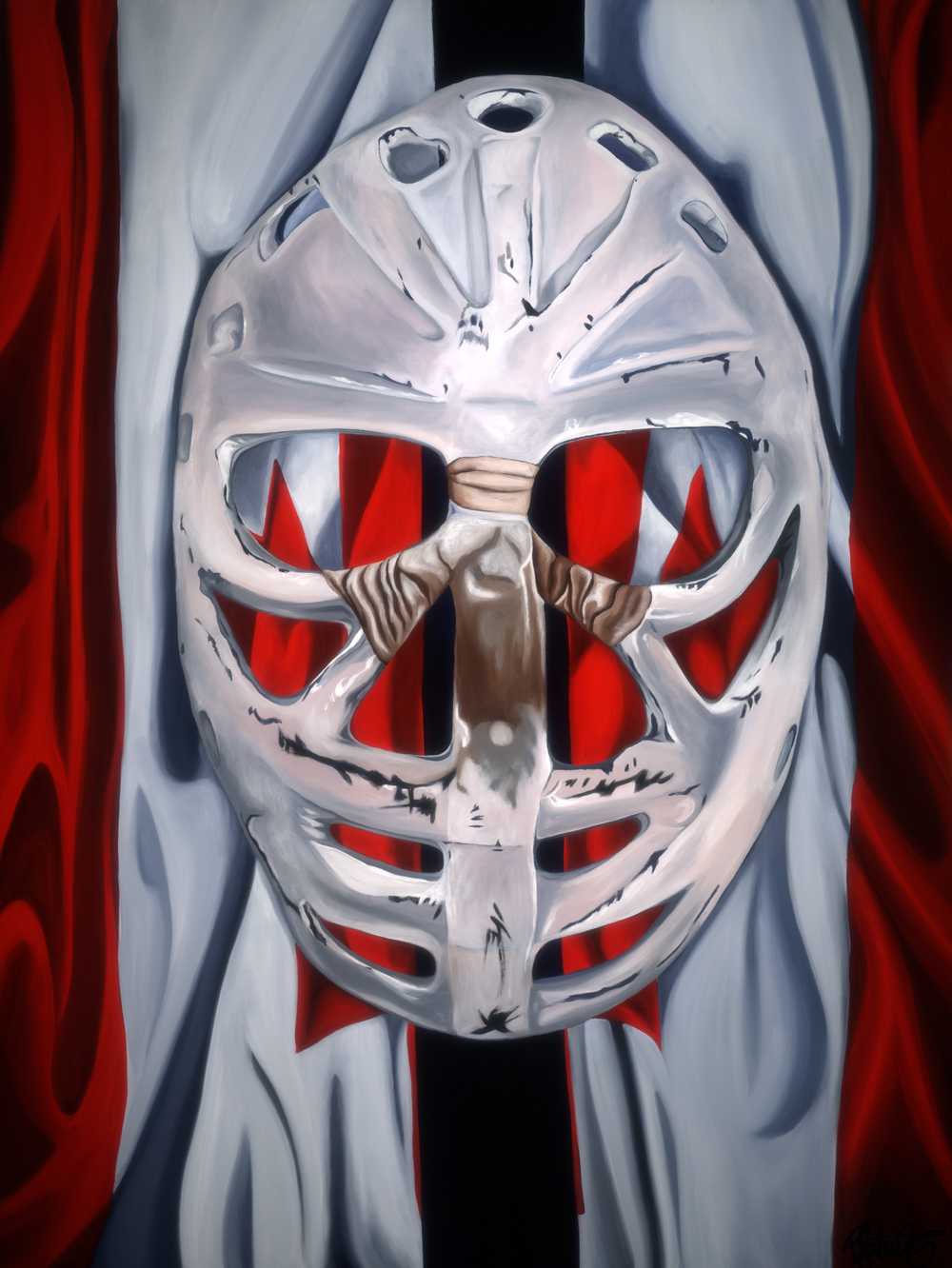
Goalie’s Mask: red, white & Dryden (The Goalies Mask Painting), c. 2011 Acrylic 48 x 36 x 1.5 in Brandy Saturley

The Importance of a Sustained Body of Work

A single painting can be powerful, but a sustained body of work reveals how an artist thinks.

Recurring subjects and motifs allow an artist to investigate an idea from different perspectives. A symbol that first appears straightforward may acquire new meaning as the artist revisits it over the years. Changes in style, materials and subject matter can also reveal how an artistic practice responds to a changing world.

For nearly two decades, my paintings have explored the iconography of Canada. My work has evolved from detailed realism toward simplified forms, bold colour and graphic compositions, while the underlying interest in Canadian stories has remained a constant.

My Hudson’s Bay blanket paintings, for example, revisit a familiar Canadian object through different compositions and narratives. The blanket’s distinctive stripes carry associations with domestic comfort, commercial history and national identity, while also raising questions about the colonial history in which the Hudson’s Bay Company played a central role.

Other recurring subjects, including polar bears, hockey imagery and the changing West Coast landscape, provide different entry points into questions of culture, environment and belonging.

Taken together, these works form a conversation that a single painting cannot contain. They document the development of an artistic practice while reflecting changes in the culture around it.

Canadian Artist Museum-Worthy

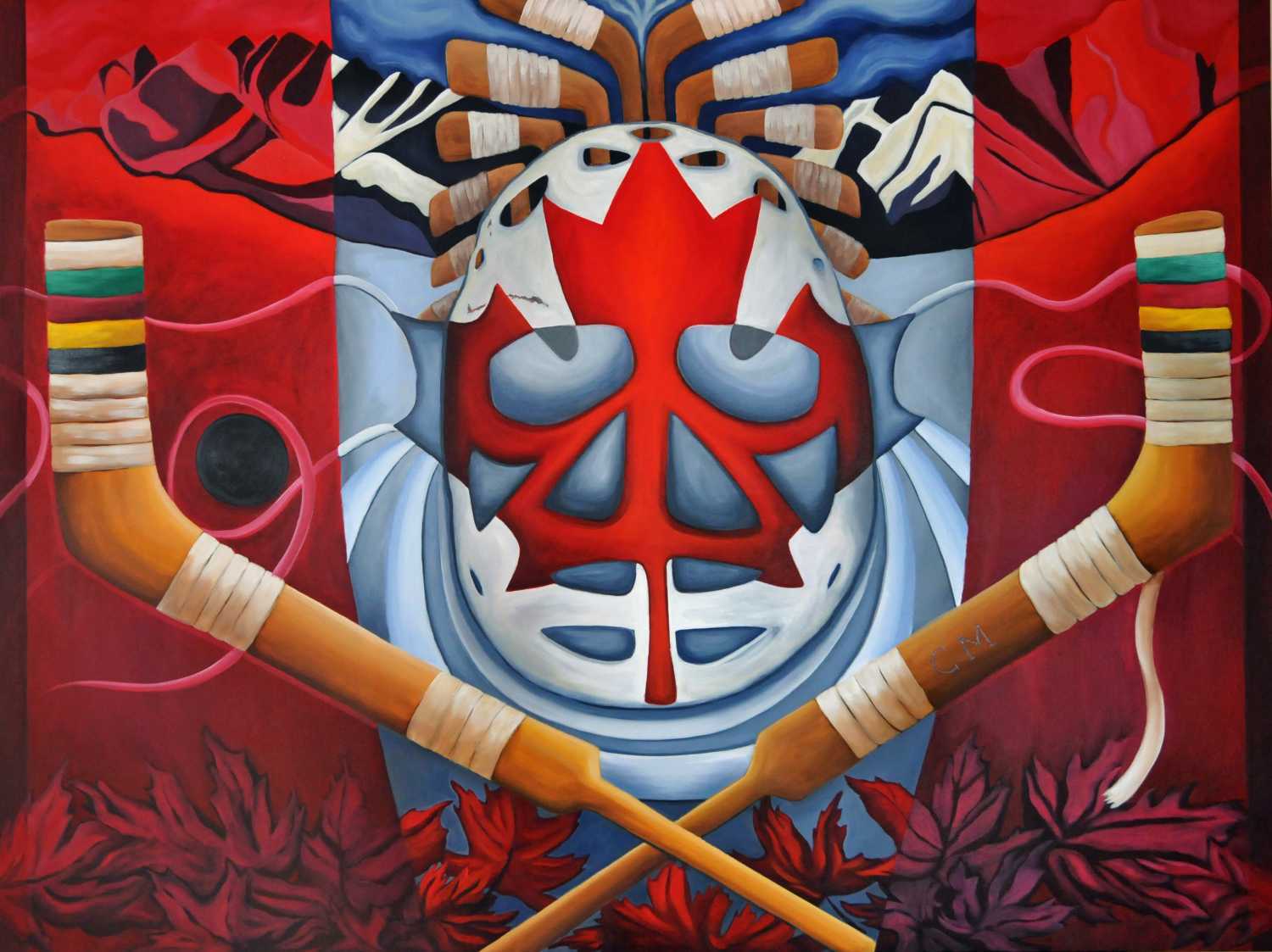
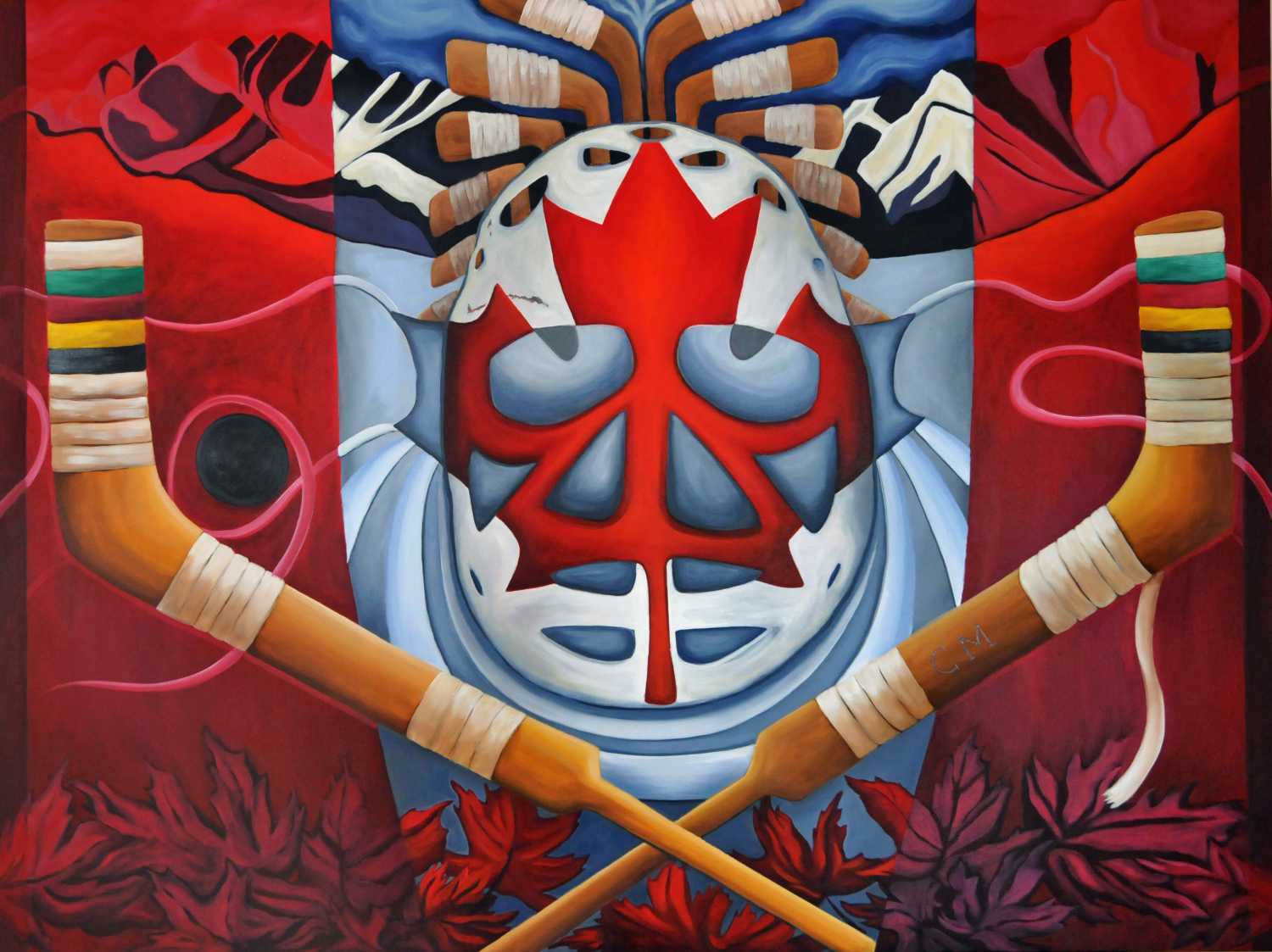
On Guard (hockey Canada flag), c. 2013 Acrylic 24 x 36 x 1.5 in Brandy Saturley

Art as a Record of Its Time

Contemporary art has the capacity to record the present in ways that are not always immediately apparent. Artists respond to the world around them, sometimes directly and sometimes through metaphor, memory and symbolism. Their work can reveal how a society sees itself, what it values, what it overlooks and what it struggles to understand. Canadian identity is not fixed. It is continually shaped by regional differences, immigration, Indigenous histories, popular culture, political change and our relationship with the natural environment.

These are the kinds of subjects that interest me as a painter. I am drawn to the tension between the familiar and the unexpected, between national symbols and the more complicated stories they contain. I want my paintings to be visually engaging, but I also want them to reward a second look. For museums and public collections, this capacity to hold multiple meanings can be important. A work may speak to the moment in which it was created while continuing to generate new interpretations as its historical context changes.

The strongest cultural conversations are rarely finished when a painting leaves the studio.

Ride My Wake, c. 2014 Acrylic 36 x 48 x 1.5 in Brandy Saturley

Recognition, Collections and Professional Longevity

Artistic merit cannot be reduced to awards, exhibition histories or the number of institutions that have collected an artist’s work. These are useful parts of a professional record, but they do not tell the whole story. A serious assessment of an artist’s practice may also consider the development of the work over time, its contribution to a wider artistic conversation, its relevance to a collection and the strength of the documentation surrounding it. Exhibitions, critical writing, fellowships, public commissions and acquisitions can all help establish a record of an artist’s professional activity. They provide context for understanding how the work has been received and where it sits within contemporary art.

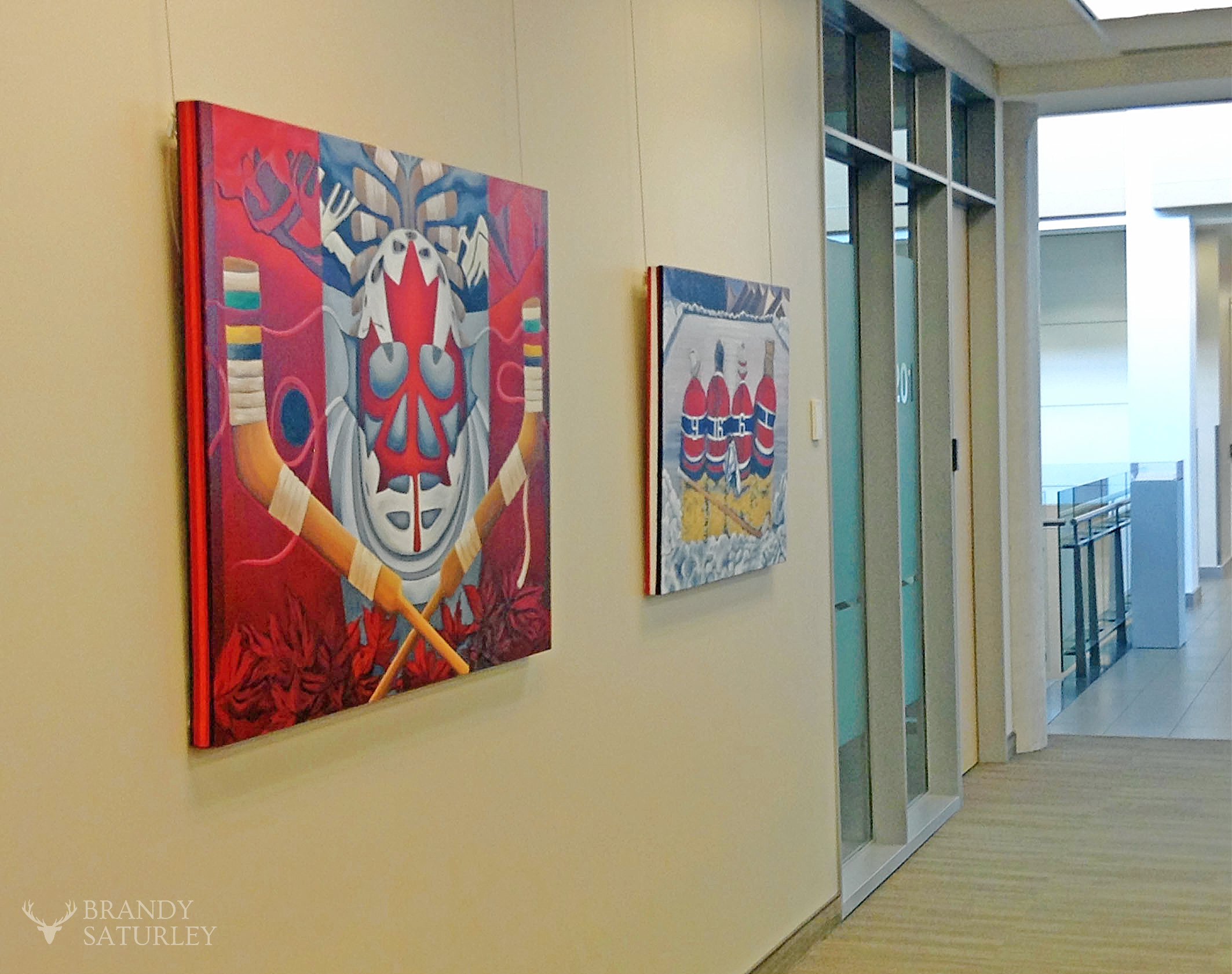
In my own career, experiences ranging from a fellowship at the Banff Centre to exhibitions in Canada and abroad have contributed to the ongoing development of my practice. My paintings have also entered corporate and institutional collections, including Canada’s Sports Hall of Fame. Each experience adds a different layer to the story of a career. None, on its own, defines the significance of the work.

Longevity matters because it gives an artist time to develop ideas, challenge earlier assumptions and build a body of work that can be considered as a whole. It also creates an opportunity for the work to be reassessed as cultural perspectives evolve.

Canadian Art Tax Benfits

Brandy Saturley in the Colart Collection, Mount Royal, Quebec, 2013

Canadian Artist Museum-Worthy: Why Representation Matters

The question of what belongs in a museum is also a question of whose stories are preserved. Museums help shape the cultural record. The artists and artworks they collect influence how future generations understand their own history and the society that preceded them.

Contemporary Canadian art encompasses an extraordinary range of experiences, perspectives, materials and visual languages. Regional identities, women artists, Indigenous artists and artists working outside established cultural centres all contribute to a richer understanding of the country. For this reason, collecting contemporary art is not simply about acquiring objects of aesthetic value. It is also about recognizing the diversity of artistic practices that help define the present.

An artist working in Canada does not need to paint a literal historical scene to contribute to the historical record. A contemporary interpretation of a familiar symbol, an endangered species or a changing landscape may reveal something important about how we live now. The question is whether the work brings a meaningful perspective to the conversation, and whether that perspective has the depth to remain relevant beyond its immediate moment.

Canadian Artist Museum-Worthy

Brandy Saturley at Okotoks Art Gallery, 2017

Building a Legacy, One Painting at a Time

I have been creating visual stories for decades, and I continue to be interested in the relationship between individual paintings and the larger narrative they form together. My work is not intended to provide a definitive picture of Canada. Instead, I approach the country through its symbols, contradictions, landscapes and cultural memories. Each painting offers a fragment of a much larger story.

The idea of legacy is interesting because it cannot be entirely determined by the artist. We can develop our practice, document our work, exhibit it, write about it and place it in conversation with other artists. But the long-term significance of an artwork also depends on how it is encountered, interpreted and preserved by others.

For curators and museums, the challenge is to recognize work that contributes something meaningful to the cultural record. For artists, the challenge is to keep making work that is honest, ambitious and connected to the questions that matter. Perhaps museum-worthiness is not a single destination or a designation an artist can award themselves. It is an ongoing conversation between the work, its historical moment and the people who encounter it.

As an artist, I remain committed to exploring the iconography of Canada and creating my own visual language around it. The paintings are individual stories, but together they ask a much larger question: how do we see ourselves, and what will the images we create today tell future generations about who we were?

That is a question worth continuing to paint.

art opening in Newfoundland

Brandy Saturley at James Baird Gallery, 2025

Brandy Saturley is represented by Willock & Sax Gallery in Banff, James Baird Gallery in Newfoundland and Nicholas Penn Fine Art in the UK.

October 19, 2026
https://www.brandysaturley.com/wp-content/uploads/2026/08/MD3_5614.jpg 1123 1500 Brandy Saturley https://www.brandysaturley.com/wp-content/uploads/2020/10/brandysaturley_logo.png Brandy Saturley2026-10-19 10:56:402026-10-19 10:57:30Canadian Artist Museum-Worthy

Iconic Artwork

Art Career, Art For Sale

When a Painting Becomes More Than a Painting: Iconic Artwork

As artists, we never really know which paintings will take on a life of their own becoming an iconic artwork.

Some works are created quickly and find a collector almost immediately. Others travel quietly through exhibitions and collections before disappearing into private homes. Then there are the rare paintings that continue to follow us throughout our careers, appearing in conversations, publications, exhibitions, and unexpected opportunities long after the paint has dried.

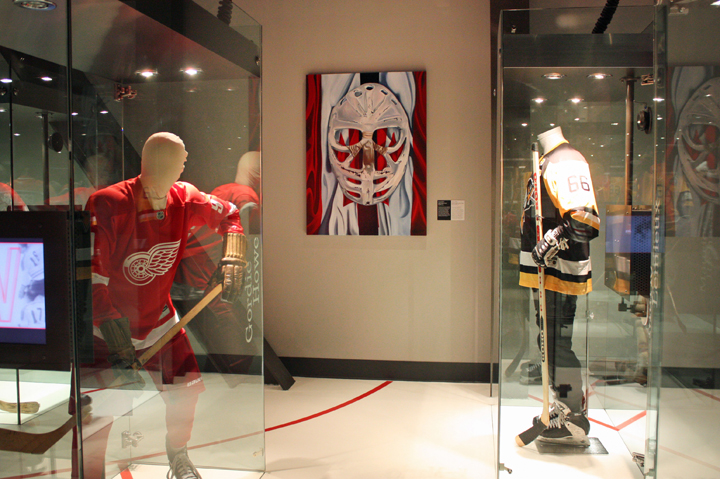
For me, one of those paintings is Goalie’s Mask: Red, White & Dryden.

Iconic Artwork

Goalie’s Mask: red, white & Dryden (The Goalies Mask Painting), c. 2011 Acrylic 48 x 36 x 1.5 in – Brandy Saturley

Painted in 2011, the work emerged from my ongoing fascination with Canadian identity and the symbols that shape our collective story. Hockey has long occupied a unique place within Canada’s cultural landscape. More than a sport, it is a source of memory, mythology, and national conversation. The goalie mask, in particular, has become one of the most recognizable icons in Canadian culture.

When I painted Goalie’s Mask: Red, White & Dryden, I wasn’t thinking about awards, exhibitions, or where the painting might eventually travel. I was simply responding to a subject that felt deeply Canadian. Like much of my work, it was an exploration of the stories we tell ourselves about who we are.

What happened next was something I could never have predicted.

Over the years, the painting found its way into exhibitions, publications, and conversations about contemporary Canadian art. It was exhibited at Canada’s Sports Hall of Fame and, in 2014, was shortlisted for the International Olympic Committee’s Sport and Art Trophy. The recognition placed the work on an international stage and connected it to a broader conversation about the relationship between sport, culture, and artistic expression.

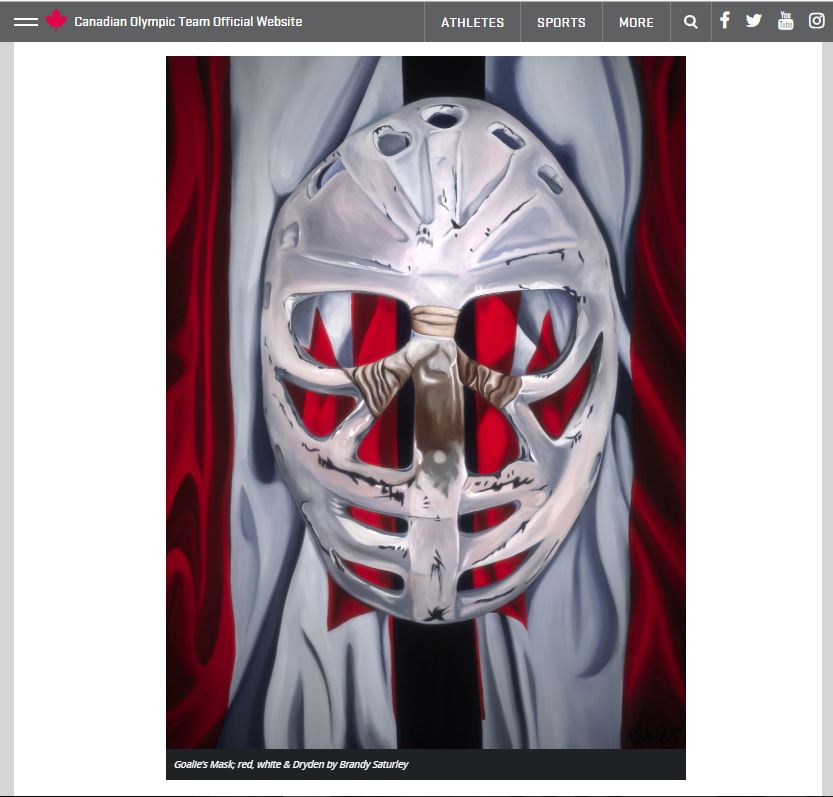
Goalie’s Mask: red, white & Dryden (The Goalies Mask Painting), c. 2011 Acrylic 48 x 36 x 1.5 in – Brandy Saturley – Olympic Trophy shortlist

For any artist, there are a handful of works that become milestones. They mark a moment in the evolution of a career. Looking back more than a decade later, I can see that Goalie’s Mask: Red, White & Dryden became one of those paintings.

It represents an important chapter in my exploration of Canadian iconography, a journey that has now spanned more than fifteen years and resulted in hundreds of paintings inspired by the people, places, symbols, and stories of this country. Long before the publication of my book Painting Canada, before international exhibitions and residencies, before many of the opportunities that followed, this painting helped define the direction of my practice.

Artists often speak about “signature works.” These are the pieces that audiences remember, the works that appear repeatedly in interviews and publications, and the paintings that seem to gather stories wherever they go. While every painting is important to me, Goalie’s Mask: Red, White & Dryden has become one of those rare works.

For that reason, I have held onto it for many years.

Goalie’s Mask: red, white & Dryden at Canada’s Sports Hall of Fame, Calgary, AB

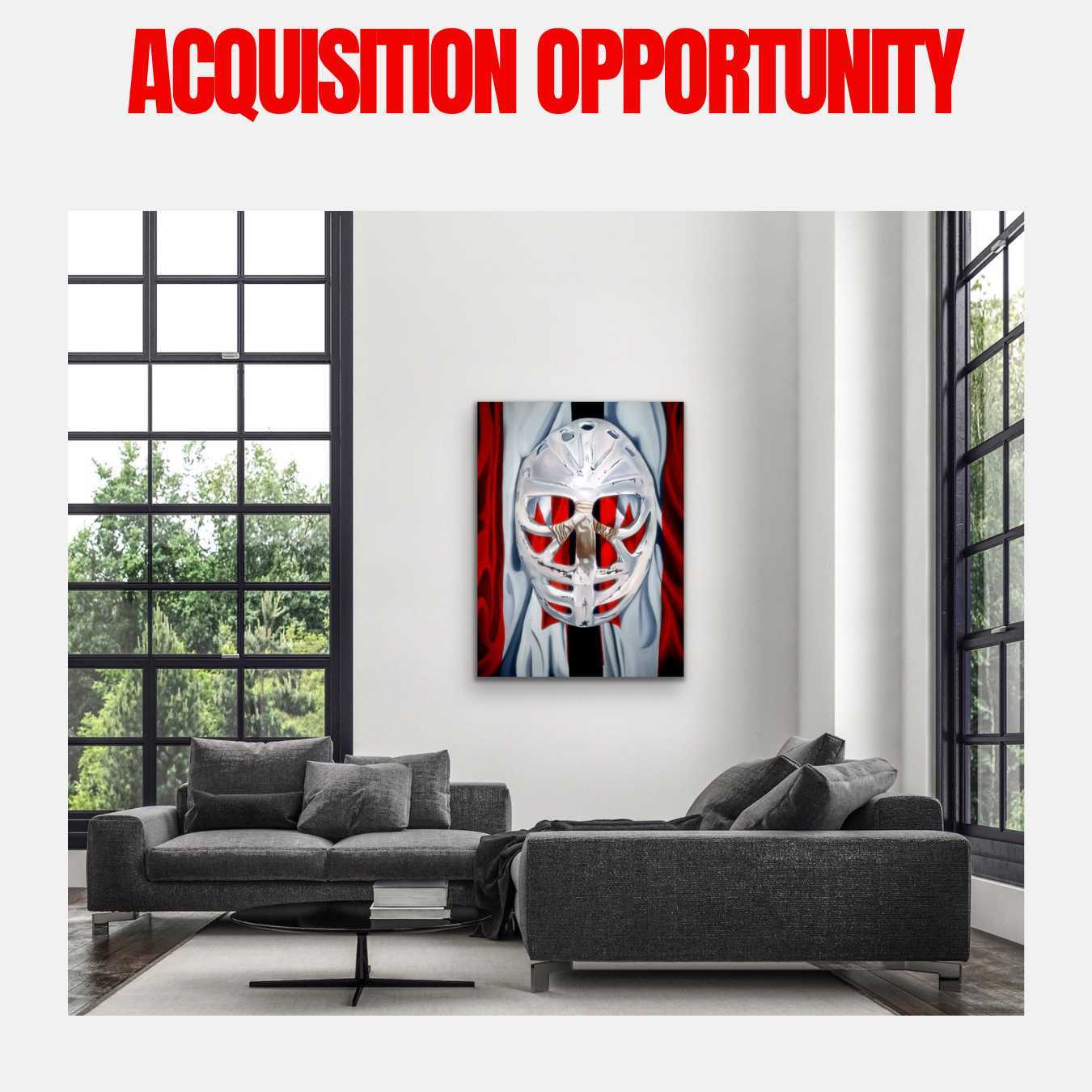
Iconic Artwork: An Acquisition Opportunity

The painting has remained part of my personal collection while other works found homes across Canada and around the world. It has accompanied me through different studios, exhibitions, and chapters of my career. In many ways, it has become a witness to the evolution of my practice.

There comes a moment, however, when an artist must decide whether an important work should continue its journey.

After much consideration, I have made the decision to offer Goalie’s Mask: Red, White & Dryden for acquisition.

This is not simply the sale of a painting. It is an opportunity for a collector, institution, or organization to become the next steward of a work that has played a significant role in my artistic journey and has earned recognition both nationally and internationally.

Some paintings remain memorable because of their subject matter. Others because of where they have travelled. A select few become part of a larger story.

Iconic Artwork

For me, Goalie’s Mask: Red, White & Dryden is one of those paintings.

Its story is still being written.

If you would like to learn more about the painting, its history, provenance, and acquisition details, I invite you to visit the dedicated acquisition page.

View the Acquisition Opportunity for Goalie’s Mask: Red, White & Dryden →

July 22, 2026
https://www.brandysaturley.com/wp-content/uploads/2026/07/Photo-2022-03-21-8-28-42-PM.jpg 1140 1500 Brandy Saturley https://www.brandysaturley.com/wp-content/uploads/2020/10/brandysaturley_logo.png Brandy Saturley2026-07-22 13:23:442026-07-22 13:23:44Iconic Artwork

Canada Day Art

Art Career

Paintings That Celebrate Canada | Canada Day Art

It’s no secret that I am obsessed with Canada.

For the past twenty years I have crisscrossed this country exploring, painting, exhibiting, photographing, filming, writing, and collecting stories. Every journey has become part of my work. Every province has left its mark. This Canada Day I find myself reflecting on the art that has grown from those travels and the incredible privilege of experiencing this country through the eyes of an artist.

Canada Day Art

Under A Borealis Sky, c. 2011 Acrylic 30 x 40 x 1.5 in – Brandy Saturley – private collection Edmonton AB

Yesterday I listened to the audiobook Canada by Mike Myers. It is part memoir, part love letter to Canada, and a fascinating look at how the country shaped him and continues to influence his life. It is funny, nostalgic, and deeply Canadian.

As I listened, I found myself comparing my own experiences with his. While Myers grew up on the east coast of the Canadian experience and I was raised on the west coast, there was plenty of common ground. At the same time, there were clear differences in language, accent, traditions, landmarks, and the cultural touchstones that shaped us.
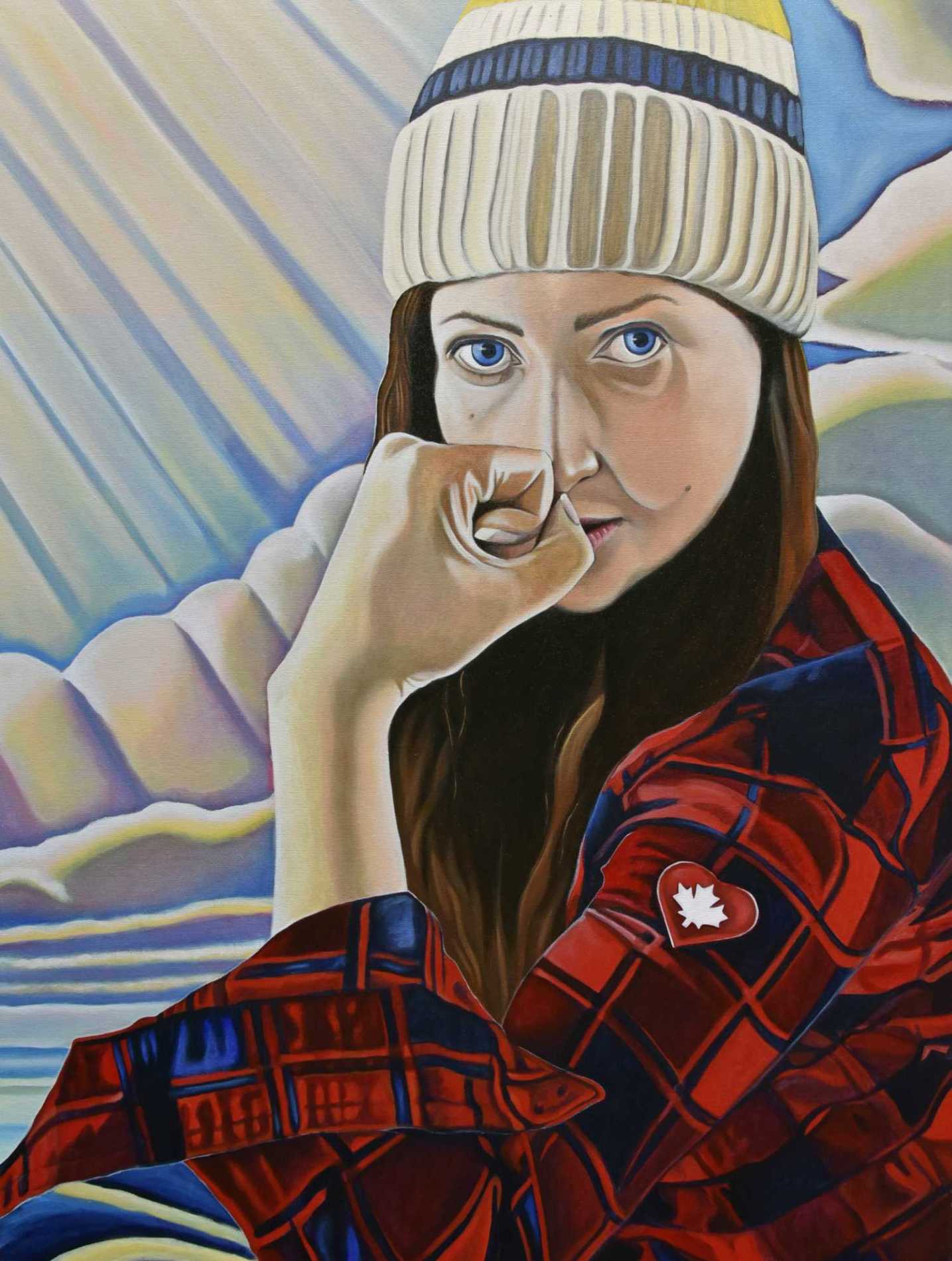
Those differences became one of the reasons I set out to explore Canada for myself. I never quite saw the west coast reflected in the familiar pop culture caricature of what it meant to be Canadian. I wanted to discover the many versions of Canada that exist from coast to coast and find my own visual language for telling those stories.
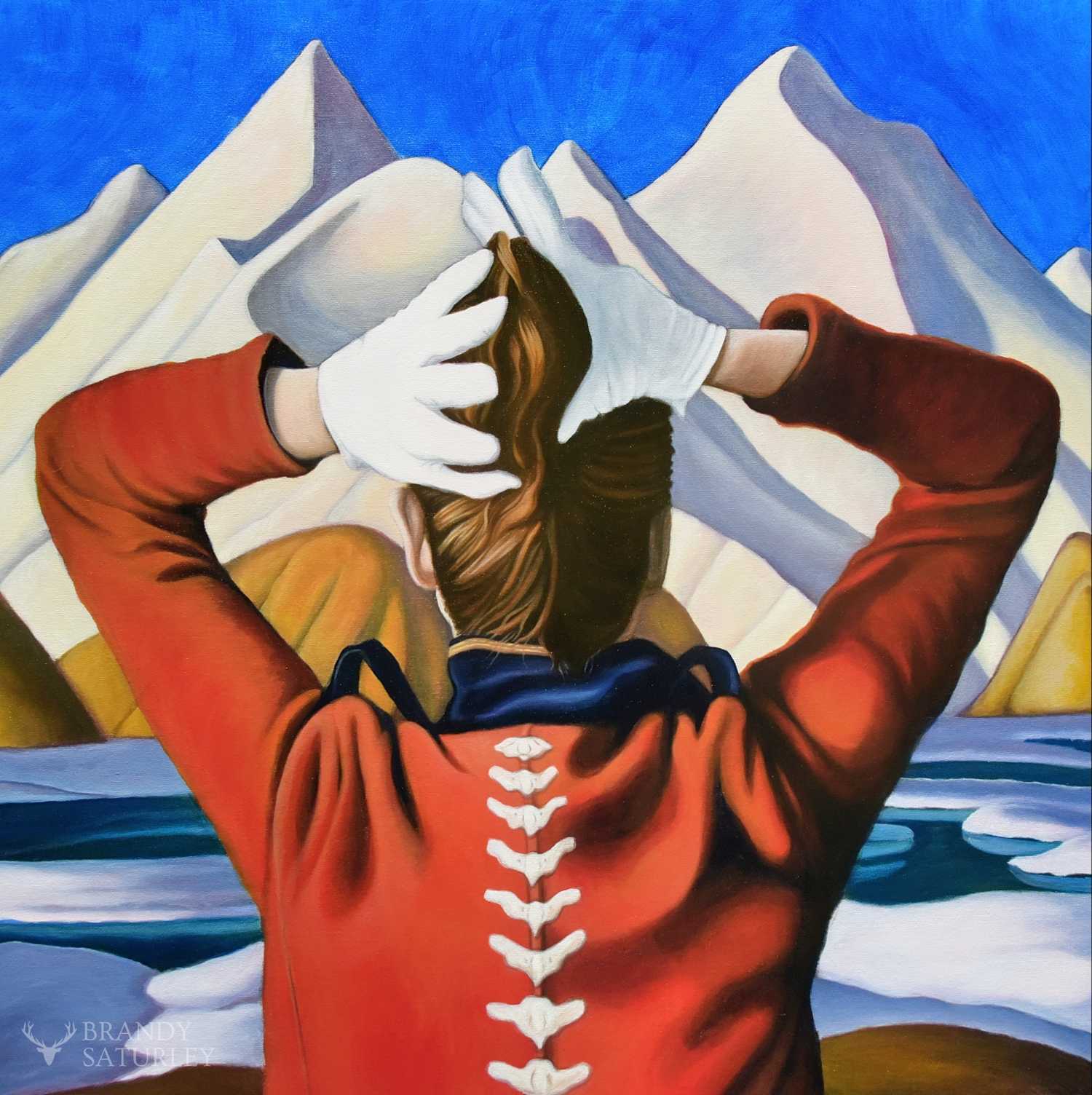
Canada Day Art

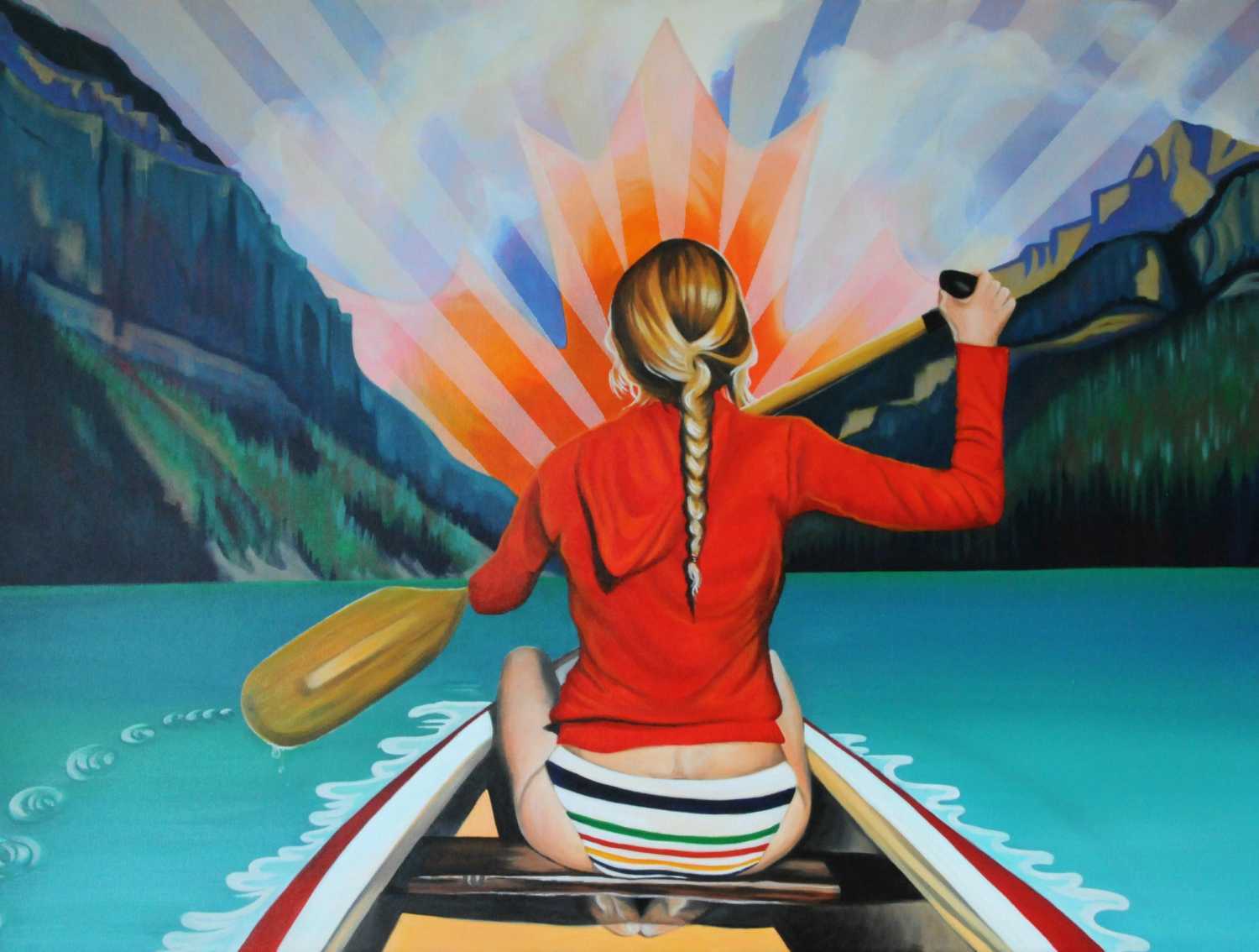
Come On Just Let’s Go, 2024 Acrylic on Canvas 48 x 30 in – Brandy Saturley

One of the few television shows that truly captured the spirit of the west coast was The Beachcombers. For that, I will always thank the CBC. I grew up combing beaches for treasures washed ashore, building forts from driftwood logs, and spending long summer days until the inevitable sunburn arrived. I’m still not entirely sure what our west coast accent sounds like, but I certainly know what it means when someone says it’s “socked in.”

Canada Day Art – Wide Open Spaces

Canada is a vast country filled with dramatic landscapes, wide open spaces, remarkable people, and unforgettable towns and cities. Over the years I have painted hockey, iconic Canadian symbols, pop culture, roadside attractions, prairie skies, urban landmarks, and rugged coastlines. A polar bear king has wandered through my canvases, the Canadian flag has made its appearance, and so has the CN Tower. Newfoundland inspired an entire body of work celebrating the resilience, humour, and character of life on Canada’s eastern edge.

Canada Day Art

Ride My Wake, c. 2014 Acrylic 36 x 48 x 1.5 in – Brandy Saturley – Private Collection Edmonton, AB

Lately my focus has turned back toward home. This year I have been spending much of my time exploring Vancouver Island, rediscovering the forests, shorelines, fishing villages, and coastal communities that first shaped my imagination. After years of travelling across Canada, it feels right to return to the west coast and celebrate the unique voice and identity it brings to the Canadian story.

My paintings have never been about documenting Canada exactly as it is. They are about capturing how Canada feels. They are visual stories built from memory, experience, symbolism, and a deep affection for this extraordinary country.

Commissioned Art

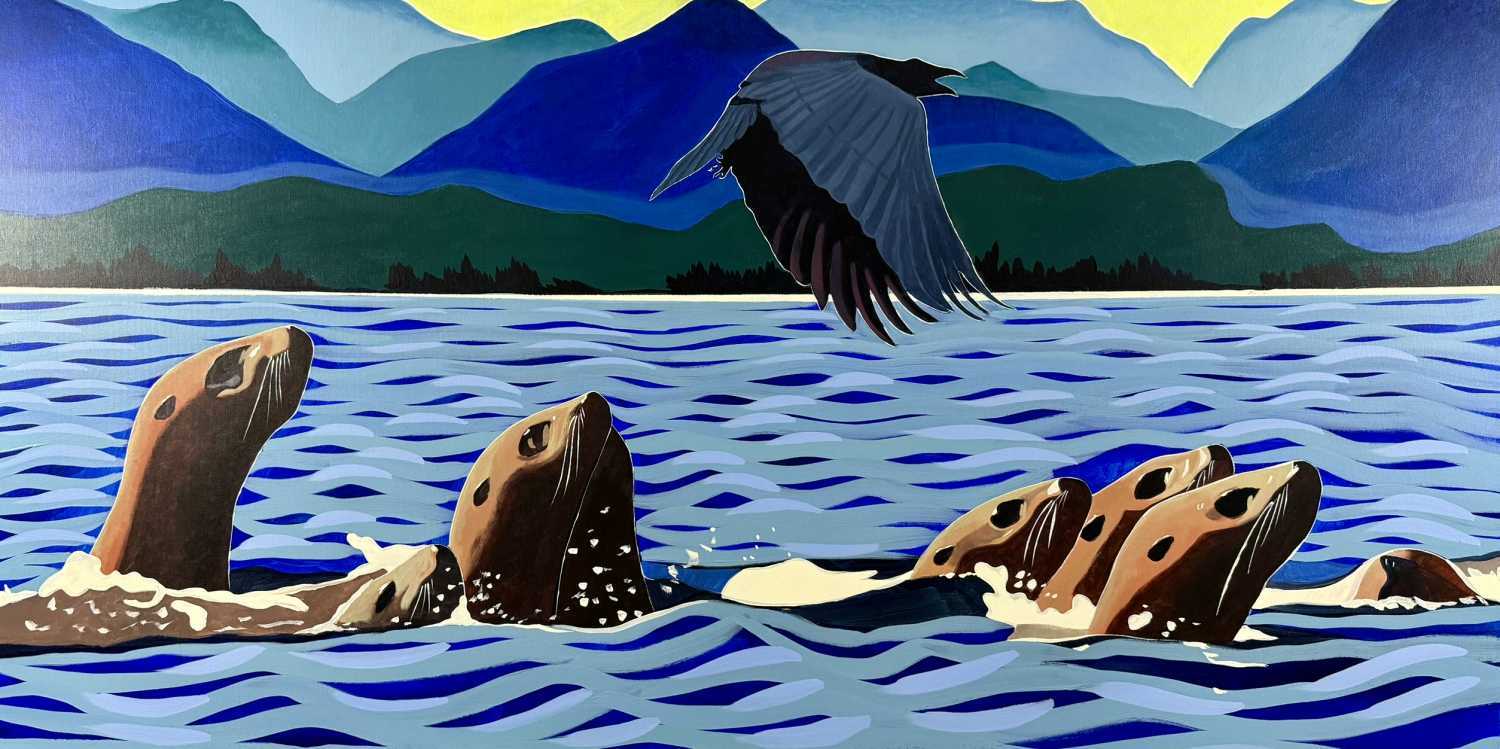
Sealions Song, c. 2026 Acrylic On Canvas 30 x 60 x 1.5 in – Brandy Saturley – Private Collection Vancouver, Canada

Happy Birthday, Canada.

Thank you for twenty years of inspiration, endless roads to travel, and stories still waiting to be painted. I can’t wait to see where the next adventure leads.

On Guard (hockey Canada flag), c. 2013 Acrylic 24 x 36 x 1.5 in – Brandy Saturley – Colart Collection, Quebec Canada

June 30, 2026
https://www.brandysaturley.com/wp-content/uploads/2026/06/wake1.jpg.jpg 1134 1500 Brandy Saturley https://www.brandysaturley.com/wp-content/uploads/2020/10/brandysaturley_logo.png Brandy Saturley2026-06-30 11:46:382026-06-30 11:46:38Canada Day Art

20 Years 20 Paintings

Art Career

Celebrating Canada Through Art – 20 Years, 20 Paintings

It was July 1, 2006 when I stepped away from my full-time job to focus entirely on my life as an artist. I did not plan the date with intention, it simply arrived that way, almost as if Canada Day itself was quietly opening a door.

Since then, I have created well over 400 paintings. From this body of work, I have chosen 20 paintings to represent the first twenty years of my practice. This is 20 years told through 20 paintings.

The works selected for this list now live in prominent public collections, esteemed private collections, and a few remain available for collectors. Together, they form a cross-section of my commentary on Canadian culture and iconography.

These paintings reflect moments of storytelling rooted in my lived experience of Canada. They carry my ongoing dialogue with landscape, identity, and cultural symbolism, often shaped by travel and observation across the country. Some works lean into celebration, others into quiet critique. Some explore political undercurrents in Canada, while others speak more personally to my experience as a woman artist working within a national narrative.

These paintings represent my travels from coast to coast to coast in Canada and the people, places and stories I heard along the way. Taken together, they form a visual map of attention, curiosity, and connection, a record of how I have seen and felt Canada over two decades of painting. I invite you to move through them as you would a journey across the country itself, one image at a time, each offering its own view, its own memory, its own question.

20.  A Cup For Louise – collection of the Artist

20 Years 20 Paintings

19. On Guard – Colart Collection, Quebec, CA

20 Years 20 Paintings

18. Poppies For Louise – collection of the Artist

17. Under A Borealis Sky – private collection, Edmonton CA

16. Ride My Wake – private collection Edmonton, CA

15. Spirited Island – available through Willock & Sax Gallery in Banff

14. Monarch of The Arctic Realms – available through the Artist

20 Years 20 Paintings

13. The Conversation – available through the Artist

12. The Wild Life – Peck Collection, Edmonton, CA

11. Canadian Subconscious – private collection, Edmonton, CA

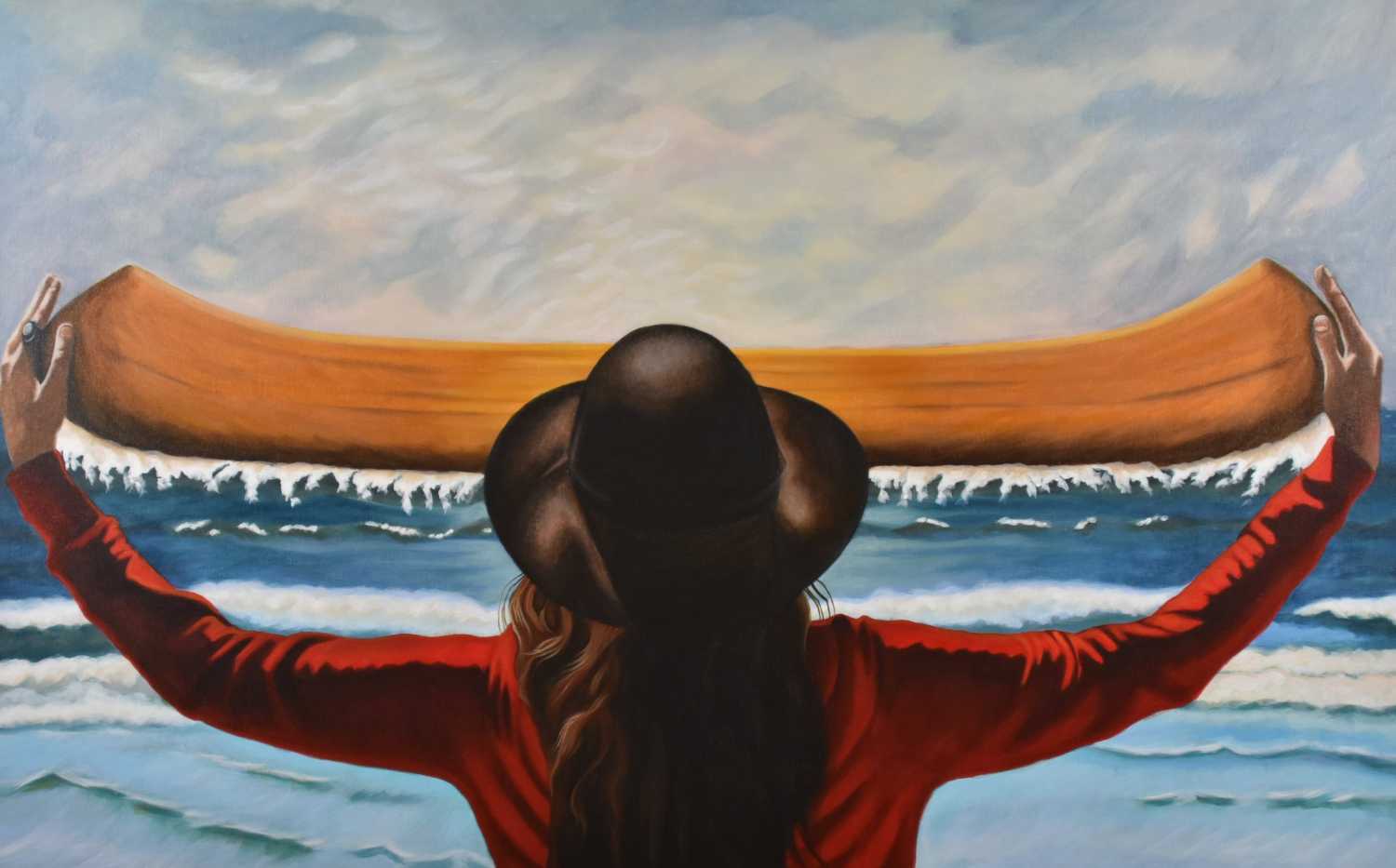
10. We Can Fit in My Canoe – Colart Collection, Quebec

20 Years 20 Paintings

9. Little Red Saltbox – private collection, Newfoundland, CA

8. Come On Just Let’s Go – Available through James Baird Gallery, Newfoundland

7. The Kiss – private collection, Edmonton, CA

6. The Prodigy – private collection, Montreal, CA

5. Pond Hockey Days – Private Collection, Victoria CA
20 Years 20 Paintings

4. Raised in the Sky – Private Collection, Ontario CA

3. Goalie’s Mask: red, white & Dryden – collection of the Artist

20 Years 20 Paintings

2. With Hearts On Our Sleeves – Private Collection, Ontario CA

  1. Let Your Backbone Rise – Private Collection, Montreal CA

20 Years 20 Paintings

These twenty paintings are not a conclusion, but a waypoint. They mark two decades of looking closely, listening carefully, and translating Canada into colour, form, and story. Each one holds a fragment of a larger conversation that is still unfolding in the studio today. 

June 22, 2026
https://www.brandysaturley.com/wp-content/uploads/2026/06/backbonepainting_1.jpg 1504 1500 Brandy Saturley https://www.brandysaturley.com/wp-content/uploads/2020/10/brandysaturley_logo.png Brandy Saturley2026-06-22 15:39:012026-06-22 15:40:3220 Years 20 Paintings

Truths About Being an Artist

Art Career

The Painting Is Only the Beginning: Truths About Being an Artist

One of the questions I am often asked is, “What’s it like being an artist?” Usually the question is accompanied by a certain image of what an artist’s life might be. A quiet studio. A paintbrush in hand. Inspiration arriving like a lightning bolt. Days spent creating without a care in the world, are these truths about being an Artist?

I understand where these ideas come from. For centuries artists have been romanticized as dreamers, rebels, and free spirits. While there is some truth in those descriptions, they only tell part of the story. The reality of being a professional artist is far more complex and, in my opinion, far more interesting.

It Starts with a Love of Making Things

Like many artists, I began drawing as a child. Long before exhibitions, publications, collectors, or commissions entered the picture, there was simply the joy of creating. Hours disappeared while I sat in my bedroom drawing, painting, and imagining. Looking back, I realize that those early years were not about becoming an artist. They were about discovering a way of seeing the world.

That sense of curiosity remains at the heart of my practice today.

Truths About Being an Artist

Brandy Saturley in her Victoria, Canada studio – 2021

Inspiration Is Wonderful, But Discipline Matters More

People often imagine that artists wait for inspiration before they begin working. The truth is that most professional artists show up whether they feel inspired or not.

There are certainly moments of excitement and discovery in the studio. There are days when a painting seems to unfold effortlessly. But there are also days filled with problem-solving, revision, and persistence. Painting is not simply an act of expression. It is a practice.

The longer I have worked as an artist, the more I have come to appreciate discipline. Inspiration may light the spark, but discipline keeps the fire burning.

Artists Wear Many Hats

What surprises people most is how much of an artist’s life takes place away from the easel. There are exhibitions to organize, paintings to photograph, websites to update, newsletters to write, inventory to maintain, shipping to arrange, applications to complete, and relationships to nurture.

Being a professional artist requires creativity, but it also requires entrepreneurship. The painting may be what people see, but behind every finished work is a great deal of planning, administration, and effort.

Truths About Being an Artist

Brandy Saturley in her studio at Royal College of Art, UK – 2019

Truths About Being an Artist: Success Rarely Happens Overnight

From the outside, it can appear as though artists suddenly emerge into public view. What is often invisible are the years spent learning, experimenting, making mistakes, and continuing despite setbacks. Most artists spend decades developing their voice. Every exhibition, publication, residency, and opportunity is built upon countless hours of work that nobody sees. Art is a long game. It asks for patience, resilience, and faith in a vision that may take years to fully emerge.

Artists Are Observers

Perhaps the biggest misconception is that artists simply make pictures. What artists really do is observe. We pay attention to details, symbols, stories, and moments that others may pass by. We gather fragments of experience and transform them into something visual. My own work is rooted in exploring Canada, its landscapes, popular culture, and collective identity. Through painting, I seek to tell stories about who we are and how we see ourselves.

The canvas becomes a place where observation and imagination meet.

The Real Gift of Being an Artist

After nearly two decades as a professional artist, I have come to understand that being an artist is not simply a career.

It is a way of moving through the world. It is a commitment to curiosity. A willingness to keep learning. A desire to look closely and find meaning in everyday life. The paintings hanging on gallery walls represent only a small part of that journey. Behind each one are years of observation, travel, reflection, experimentation, and hard work.

The painting is never just a painting. It is the visible result of a life spent paying attention. And despite all the challenges, uncertainties, and misconceptions that come with this profession, I cannot imagine doing anything else.

If you would like to explore my paintings and follow my ongoing journey across Canada through art, I invite you to visit the galleries and stories featured throughout this website.

Truths About Being an Artist

Brandy Saturley in her Parksville, Canada studio, 2025

June 17, 2026
https://www.brandysaturley.com/wp-content/uploads/2026/03/019_67911_full.jpeg 1000 1500 Brandy Saturley https://www.brandysaturley.com/wp-content/uploads/2020/10/brandysaturley_logo.png Brandy Saturley2026-06-17 11:20:352026-06-17 11:25:18Truths About Being an Artist

Spirit of David Hockney

Art Career

The Momentous Spirit of David Hockney: A Painter’s Painter

When I was a young artist making drawings in my bedroom, I dreamed of big things for my art. I imagined large canvases, distant galleries, and the possibility that painting could become a way of seeing the world more clearly. As I grew older and found my way to art college, I discovered the spirit of British artist David Hockney and something shifted in me.

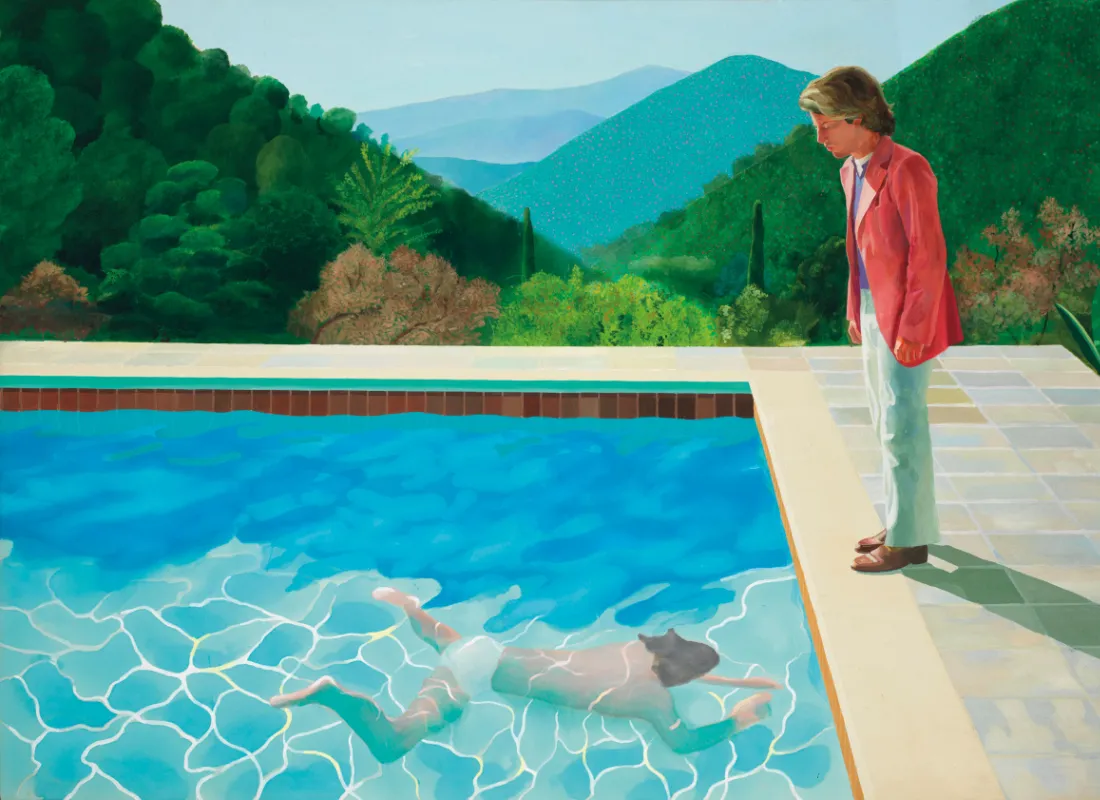
Hockney was born in Bradford, England, in 1937 and became one of the defining artists of the 20th century. Associated with the Pop Art movement of the 1960s, he quickly stood apart from many of his contemporaries. While others leaned into irony and commercial imagery, Hockney brought warmth, observation, and deep affection for everyday life into his work. His portraits, California swimming pool paintings, stage designs, and later monumental landscapes all carried the same unmistakable energy: a vivid curiosity about how we see and experience the world.

Spirit of David Hockney

One of the most famous paintings of David Hockney is this double portrait from the swimming pool series. (Image: Christie’s)

What struck me first was the sense of wonder in his paintings. Hockney’s work feels open-hearted and alive. His portraits are intimate without becoming sentimental, and his landscapes transform familiar scenes into something almost dreamlike. Over time I became especially drawn to those immense, near-abstract landscapes where colour and rhythm seem to pulse across the canvas. The spirit in the work kept expanding, radiating outward from the paintings themselves.

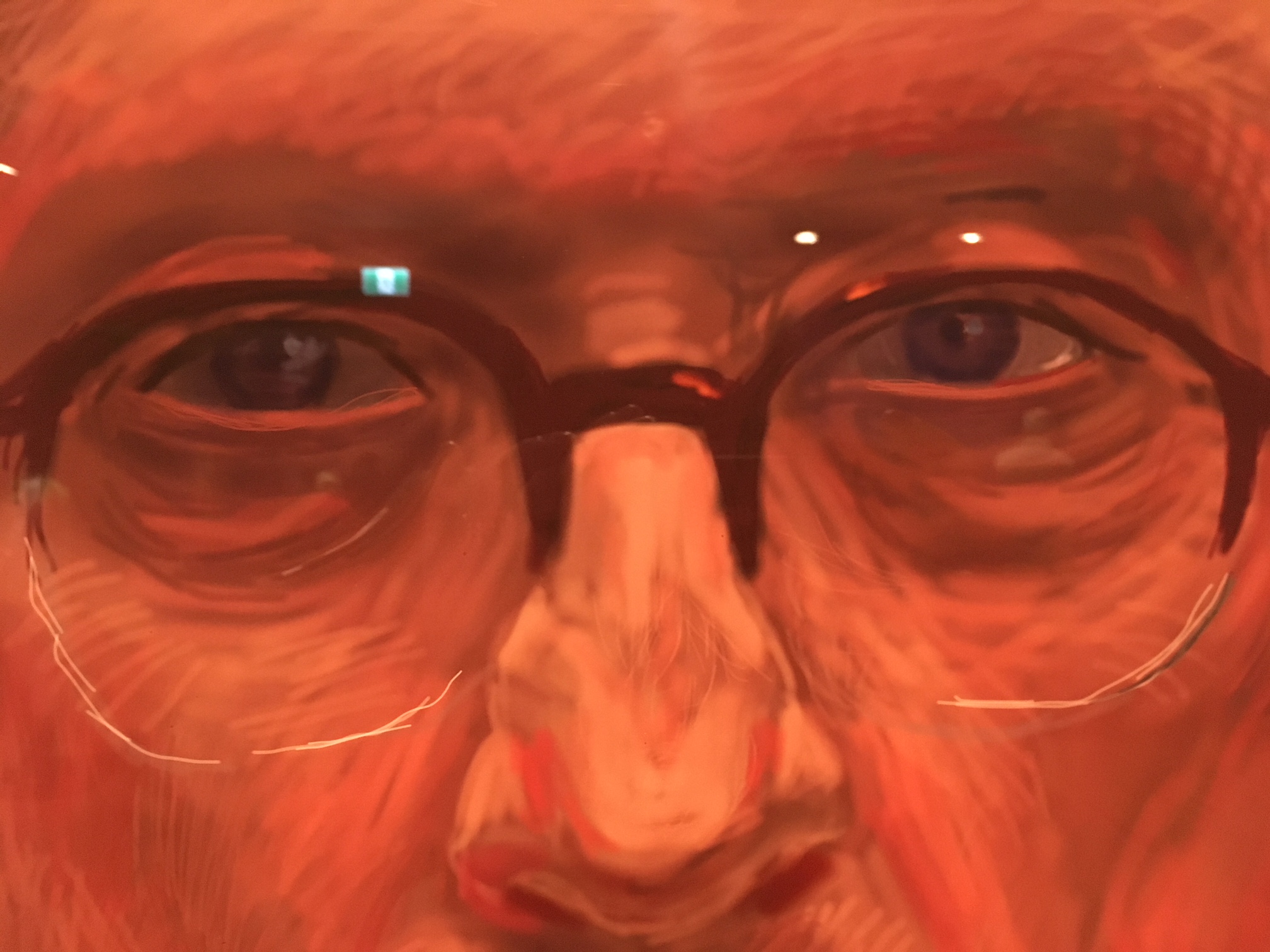
The first time I saw Hockney’s work in person was at the Vancouver Art Gallery, during an exhibition of his portraits and later digital works. Even though he was already regarded as a master painter, he never stopped evolving. Hockney embraced new technology with the same curiosity he brought to oil paint and drawing. He understood that the tool is secondary to the artist using it. Standing in front of those digital portraits, I could still feel his painterly touch, his vibrant palette, and his sharp observational eye.

Spirit of David Hockney

Self-Portrait on iPad, 2012 – David Hockney

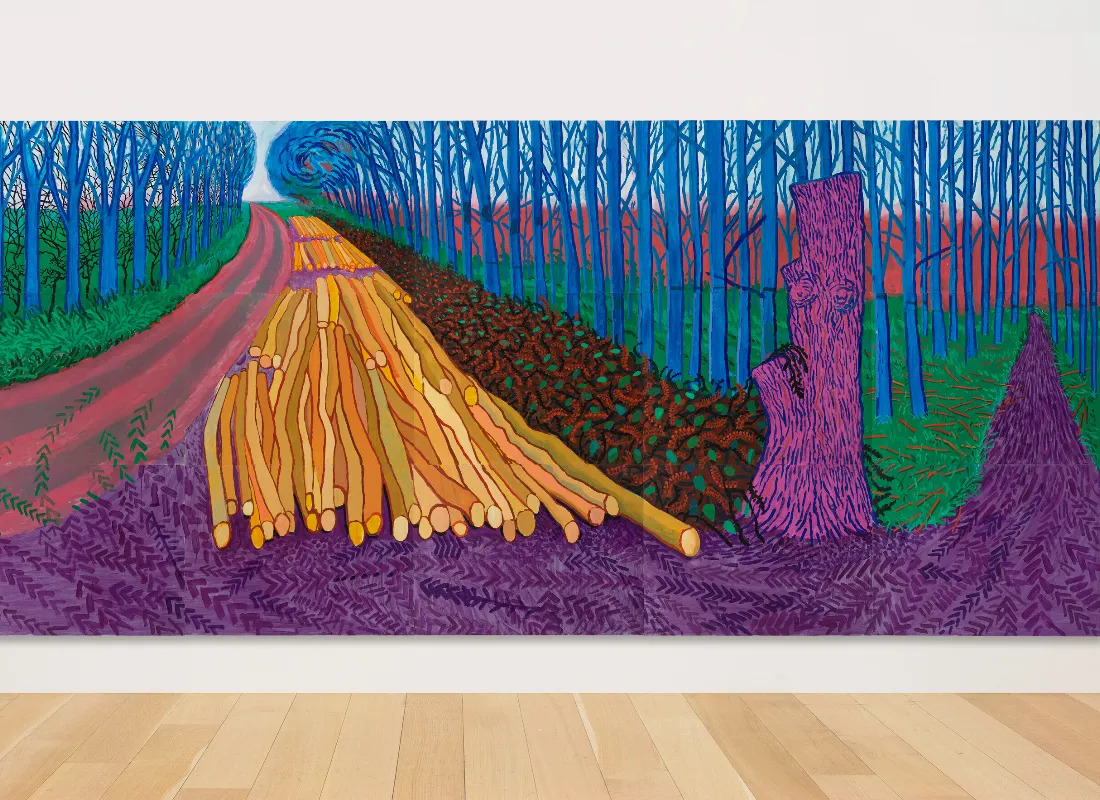
A few years later, I visited the Seattle Art Fair and was invited to view part of Paul Allen’s private collection. There, filling an entire wall like a towering window into another world, was Hockney’s monumental multi-panel landscape Winter Timber (2009). The scale was overwhelming in the best possible way. It wasn’t just a landscape painting; it was an environment, a rhythm of colour and structure that seemed to pull the viewer inside.

Spirit of David Hockney

In Winter Timber, Hockney captured the Yorkshire countryside. (Image: Christie’s)

By the end of 2018, I was searching for a way to disrupt my own studio practice. I felt caught in a creative rut and wanted to challenge the habits I had built around my work. At the time, I was known primarily for a pop realism aesthetic and had been described as “The Voice of Canadian Pop Art.” I began researching short programs and art schools, eventually discovering a summer contemporary art program in London, UK, at the Royal College of Art — the same institution where Hockney had once studied.

Spirit of David Hockney: In 2019, I went to London.

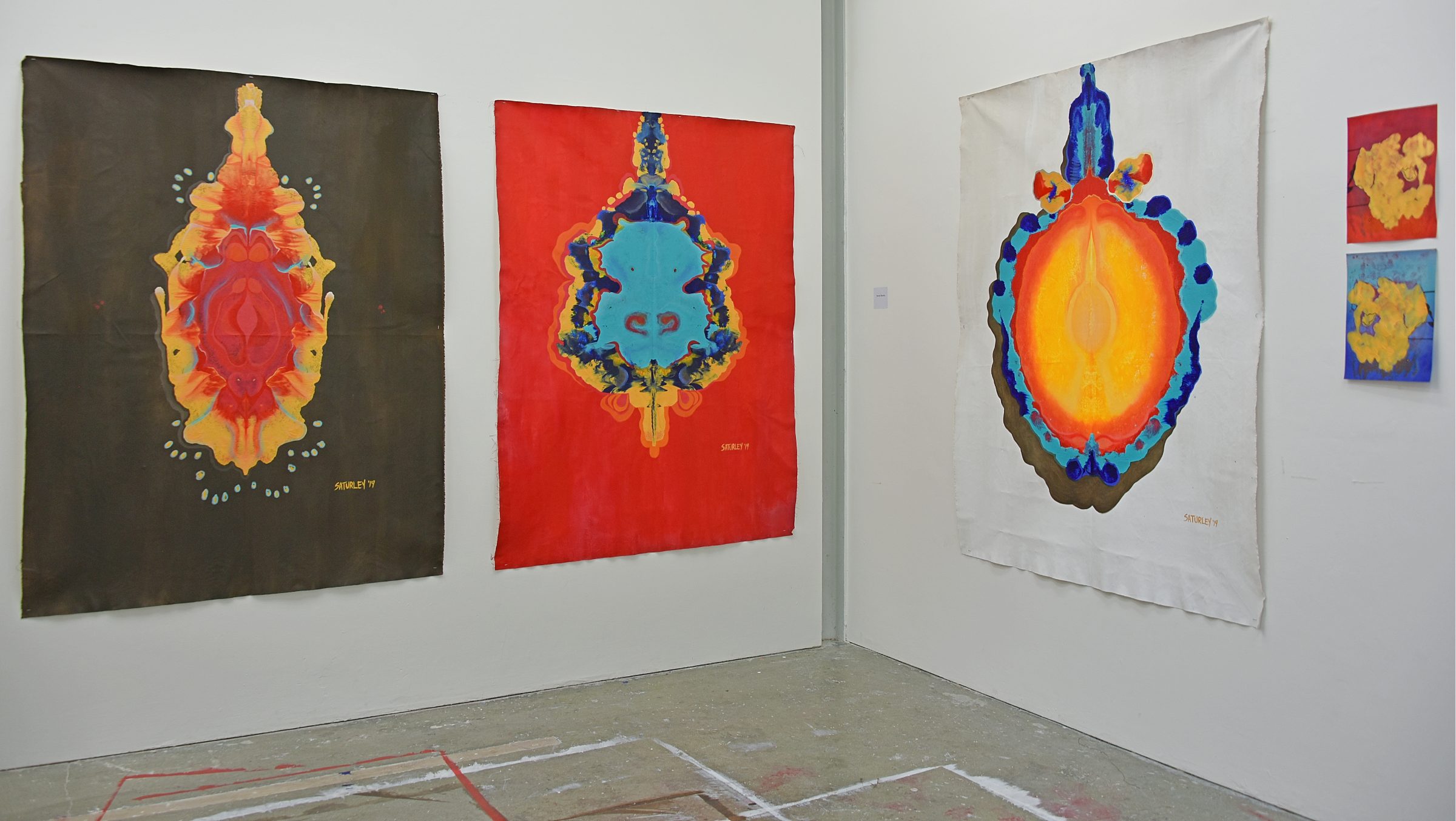
The experience was transformative. At the RCA, I was pushed to make work in ways that felt unfamiliar and risky. I was encouraged to move beyond polished narrative painting and toward experimentation, gesture, and abstraction. My vivid colour palette remained, but the structure of the work began to loosen and expand.

Spirit Mirror paintings by Brandy Saturley, Royal College of Art, 2019

When I returned to Canada, I felt creatively unsettled — in a productive way. I was surrounded again by the pop-art narratives and Canadian iconography that had defined my practice, but I no longer wanted to approach them in the same manner. I kept thinking about that enormous Hockney landscape in Seattle and the freedom it embodied.

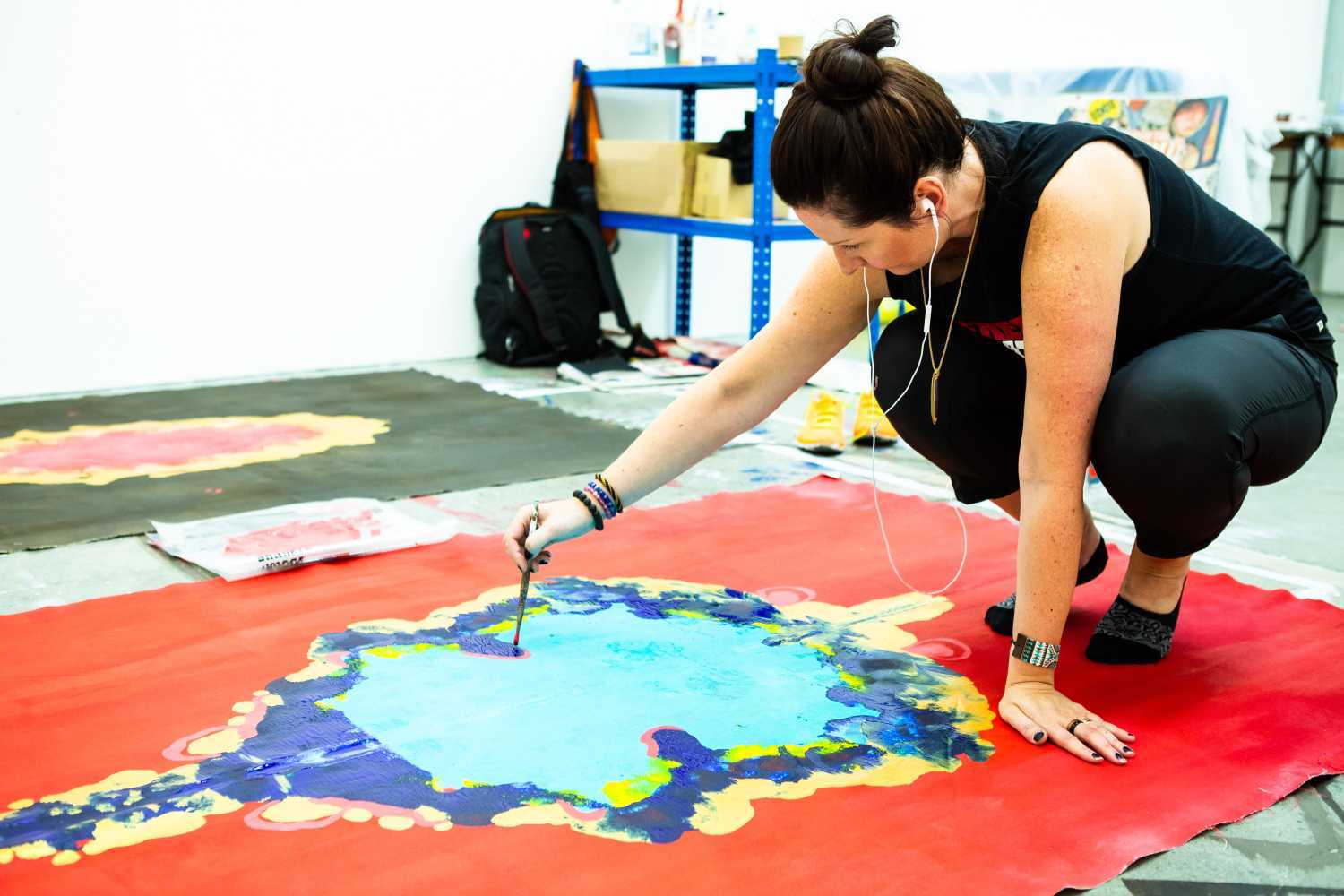
I chose Princess Louisa Inlet in British Columbia as the subject for a new painting. On a huge expanse of unstretched duck canvas stapled directly to the wall, I began sketching the landscape in paint. I had worked this way in London, and I wanted to preserve that sense of immediacy and physical engagement. As I painted, the work opened up. Marks became bolder, layers of colour accumulated, forms dissolved and re-emerged. The painting grew into the largest work I had made at that point, and with it came a flood of new ideas. It felt less like illustrating a place and more like building an atmosphere, a memory, a rhythm of looking.

Sound of a Landscape, 42 x 80 x 2 in, 2019, Brandy Saturley

Today, I woke to social media feeds filled with tributes to David Hockney. At 88 years old, this icon of contemporary art has passed away.

Hockney was more than a celebrated painter; he was a reminder that artistic curiosity never has to harden into certainty. He kept experimenting, kept looking closely, kept finding joy in colour, technology, landscape, and human connection. For many artists of my generation, he was a painter’s painter — someone whose influence extended beyond style into the very attitude of making art.

Godspeed, Mr. Hockney. Your spirit continues to live on through your paintings, and through the countless artists you encouraged simply by showing us how fearlessly alive art can be.

June 12, 2026
https://www.brandysaturley.com/wp-content/uploads/2026/06/Winter-Timber-David-Hockney.webp 800 1100 Brandy Saturley https://www.brandysaturley.com/wp-content/uploads/2020/10/brandysaturley_logo.png Brandy Saturley2026-06-12 11:21:102026-06-12 11:21:10Spirit of David Hockney

The Goalie’s Mask Paintings

Art Career, Canadian Paintings

For the Love of Hockey and The Habs: Brandy Saturley’s Goalie Mask Paintings

Canadian artist Brandy Saturley is known for her bold pop art depictions of Canadiana, exploring the icons, symbols, landscapes, and cultural mythology that shape the country’s identity. Beginning in 2010, Saturley turned her attention to hockey, spending nearly a decade examining the sport through paint as both a cultural phenomenon and a deeply personal symbol of Canada.

Drawn to the role of the goaltender, Saturley found herself identifying with the solitary and observant nature of the position. Much like an artist, the goalie stands apart from the action while remaining at the emotional centre of the game. She was also fascinated by the personality expressed through the hand-crafted goalie masks of an earlier era, particularly those worn before the sleek, graphic designs of modern hockey.

The Goalie's Mask Paintings

Ken Dryden Pretzel Mask replica at Canada’s Sports Hall of Fame, Calgary AB

When seeking a singular image that could speak to both Canada and hockey’s place within its cultural psyche, Saturley chose legendary Montreal Canadiens goaltender Ken Dryden and his two iconic masks: the skeletal “Pretzel Mask” and the striking “Target Mask.”

Ken Dryden and his masks have inspired generations of Canadian artists, becoming enduring symbols not only of hockey history but of Canadian identity itself. What Saturley discovered while painting goalie masks against the Canadian flag was that hockey can become surprisingly polarizing when viewed through the lens of fine art. The paintings exist between two worlds: the art world and the hockey world. Art audiences often approach the work with curiosity or confusion, while hockey fans immediately connect emotionally, sharing stories of childhood games, family rituals, and devotion to a national pastime. The response revealed how deeply hockey lives within the Canadian subconscious.

For her first and most recognized hockey painting, Saturley chose Dryden’s famous Pretzel Mask, a mask skeletal in form and molded closely to the contours of the goalie’s face. Rather than simply paint an object, she sought to tell a broader story. The mask was set against a Canadian flag split in two by a blue line, hinting at themes of division, identity, and duality: art versus sport, observation versus participation, culture versus nationalism. The symbolism emerged intuitively during the painting process.

The Goalie's Mask Paintings

Goalie’s Mask: red, white & Dryden (The Goalies Mask Painting), c. 2011 Acrylic 48 x 36 x 1.5 in – Brandy Saturley

The work was influenced by several moments and experiences: Ken Dryden’s legendary career, the emotional atmosphere surrounding the 2010 Vancouver Olympics, the Vancouver Canucks’ near Stanley Cup victory, and Georgia O’Keeffe’s iconic painting Cow’s Skull: Red, White and Blue, which Saturley encountered while visiting the Metropolitan Museum of Art in New York City.

“I knew that I wanted to paint a goaltender’s mask on the Canadian flag, but which mask should I choose and why? On my travels across Canada I compiled thousands of reference photographs, and while searching through them I came across the rookie mask of hockey great Ken Dryden, whose mask resides at the Hockey Hall of Fame. I was immediately taken with the character of the mask. In Dryden’s era, the mold of the mask actually resembled the shape of the player’s face, so even though it is covered in nicks and dents, you can still see his face within it.

I developed a deep appreciation for how dangerous the game was in that era. The mask itself stands as proof, pitted and scarred to the point that it is remarkable his face survived intact. I also became inspired by Dryden himself, someone who succeeded not only as an athlete but as a thinker and businessman, continually reinventing himself throughout his life.

In the painting, the centre blue line splits the flag in half. I intentionally left the meaning open to interpretation because it carries many possibilities depending on the viewer and their relationship to hockey, Canada, and the man behind the mask.

This painting marked the beginning of a series titled Iconic Canuck, a body of work I have been developing for the past two decades. What began as a love letter to Canada continues to evolve and transform. At this point, I no longer feel that I control the work. It guides me. It has become part of who I am.”
— Brandy Saturley

In 2012, the painting Goalie’s Mask: Red, White and Dryden was loaned to Canada’s Sports Hall of Fame for a one-year exhibition. In 2014, the work was shortlisted for the IOC Olympic Trophy in Sport and Art.

The Goalie’s Mask Paintings: The Target Mask

Another Ken Dryden-inspired work by Saturley features the legendary “Target Mask,” with its concentric red and blue rings forming a bold bullseye across the goalie’s face. Dryden believed a goalie mask should remain visually simple and recognizable from the highest seats in the arena, or even from a television screen at home. The minimalist design became one of the most iconic masks in hockey history.

Ken Dryden wearing the Target Mask

In Saturley’s painting Habitant, the Target Mask takes centre stage. The work references the Indigenous origins of hockey through feather-like forms surrounding the collar of the mask, while also acknowledging the cultural roots of the Montreal Canadiens. The nickname “Habs” derives from “Les Habitants,” referring to the early French settlers of New France and the team’s enduring French-Canadian identity. The painting’s energetic background of scratches, fingerprints, and expressive marks echoes the physical intensity and emotional friction of hockey itself, transforming the canvas into a battleground of memory, culture, and national identity.

The Goalie's Mask Paintings

Habitant, c. 2021 Acrylic 60 x 48 x 1.5 in – Brandy Saturley

Through her hockey paintings and broader body of Canadian pop art, Brandy Saturley continues to transform familiar symbols into layered visual stories about identity, memory, and place. From goalie masks and Canadian flags to landscapes, roadside icons, and cultural mythology, her work invites viewers to see Canada through a more personal and emotional lens. Explore more paintings by Brandy Saturley and discover a vivid collection of artworks that celebrate the beauty, contradictions, nostalgia, and spirit of Canada.

May 28, 2026
https://www.brandysaturley.com/wp-content/uploads/2018/02/canadaflaggoaliemask.jpg 726 561 Brandy Saturley https://www.brandysaturley.com/wp-content/uploads/2020/10/brandysaturley_logo.png Brandy Saturley2026-05-28 14:19:202026-05-28 14:19:20The Goalie’s Mask Paintings
Page 1 of 512345

BLOG archive

Search Posts

Search Search
© Copyright 2024 - The Art of Brandy Saturley
  • Link to X
  • Link to Youtube
  • Link to Facebook
  • Link to Vimeo
  • Link to Instagram
Scroll to top Scroll to top Scroll to top