Posts

What Nearly 20 Years of Painting Canada Has Taught Me

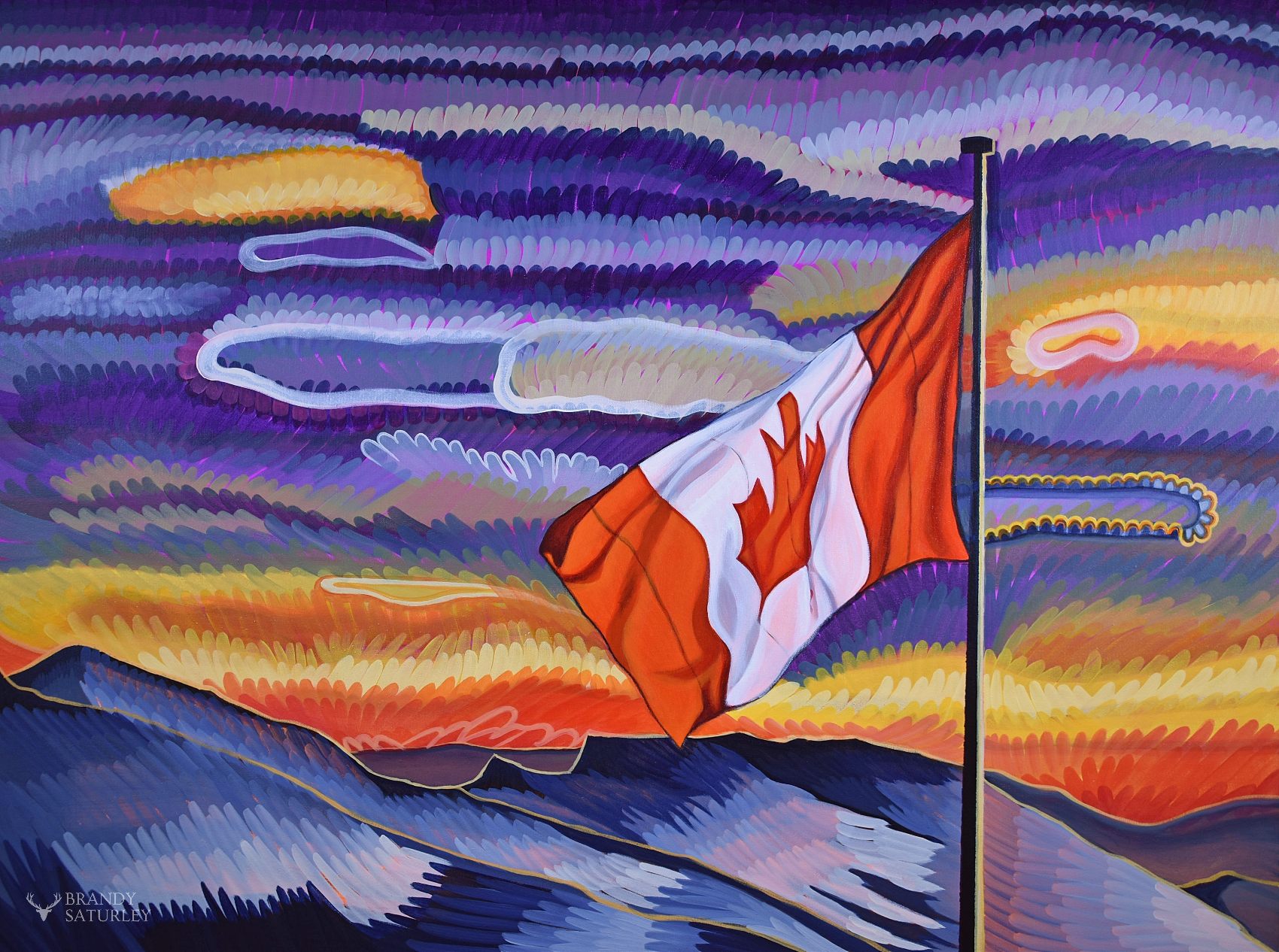
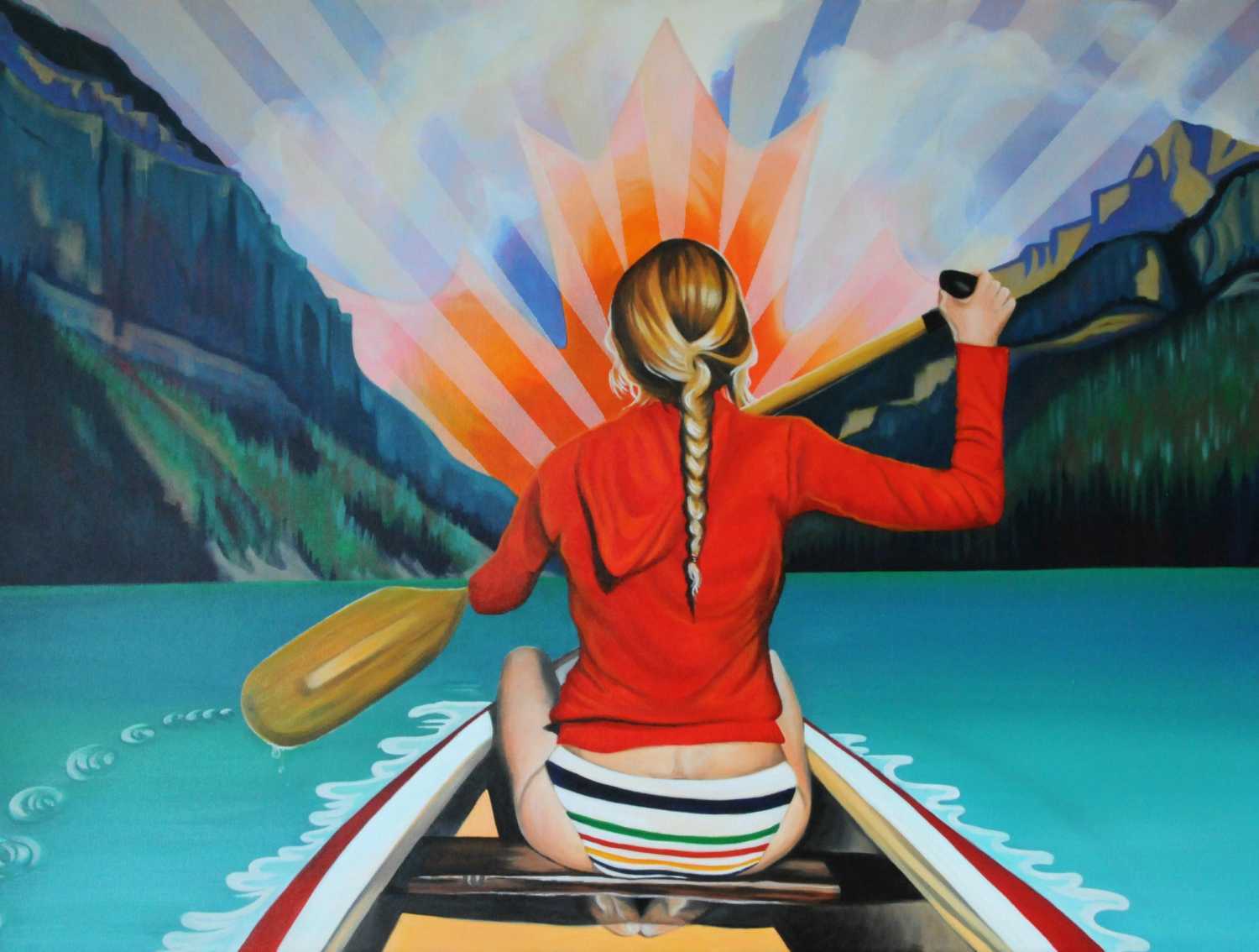
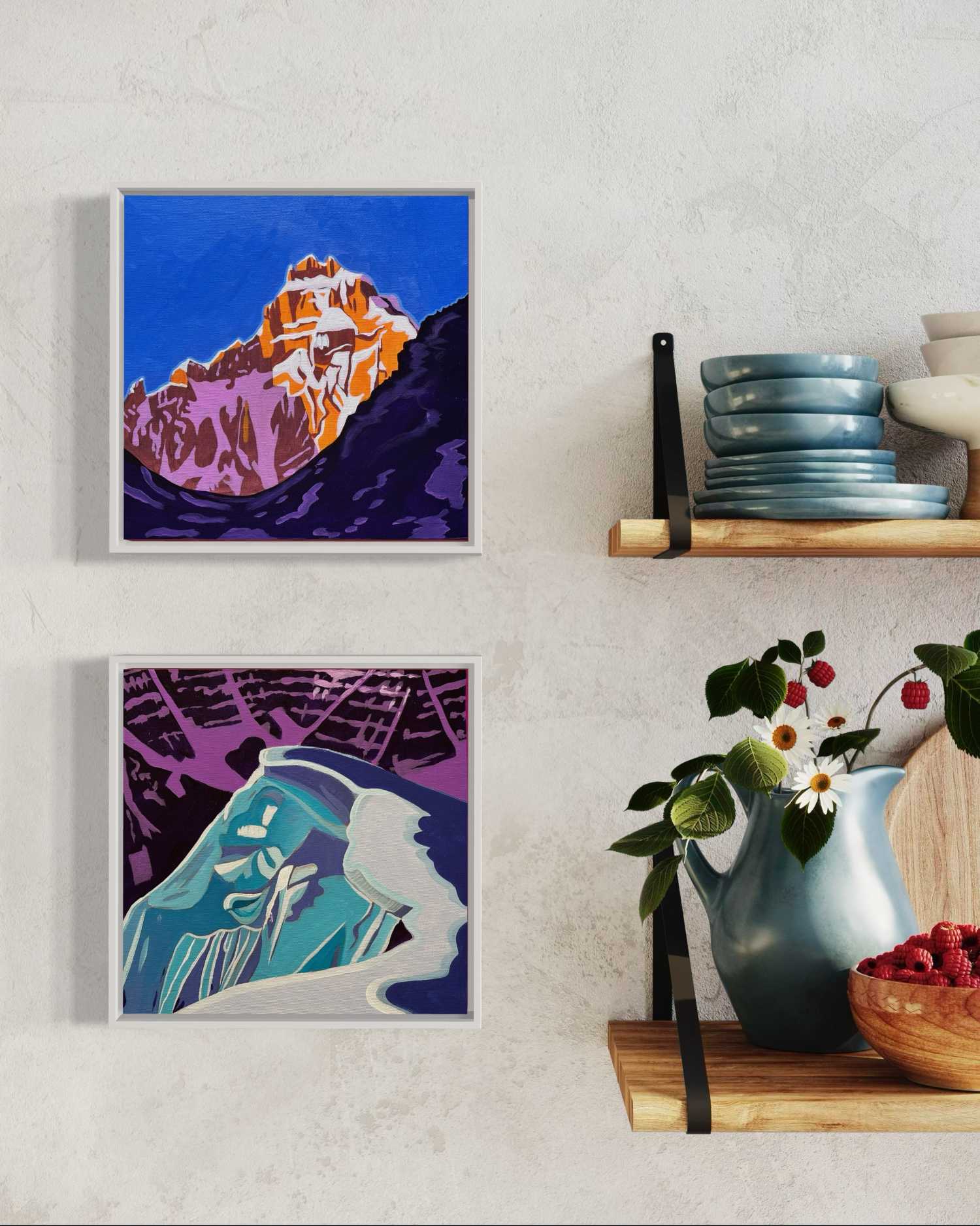
After nearly two decades of painting my way across Canada, one thing has become abundantly clear: Canada is not one art scene. It never was. After nearly 20 years painting Canada one thing is clear – Regionalism is alive and well, quietly shaping subject matter, price points, conversations, and even how artists and collectors relate to one another.

Every province carries its own visual accent.

20 Years Painting Canada

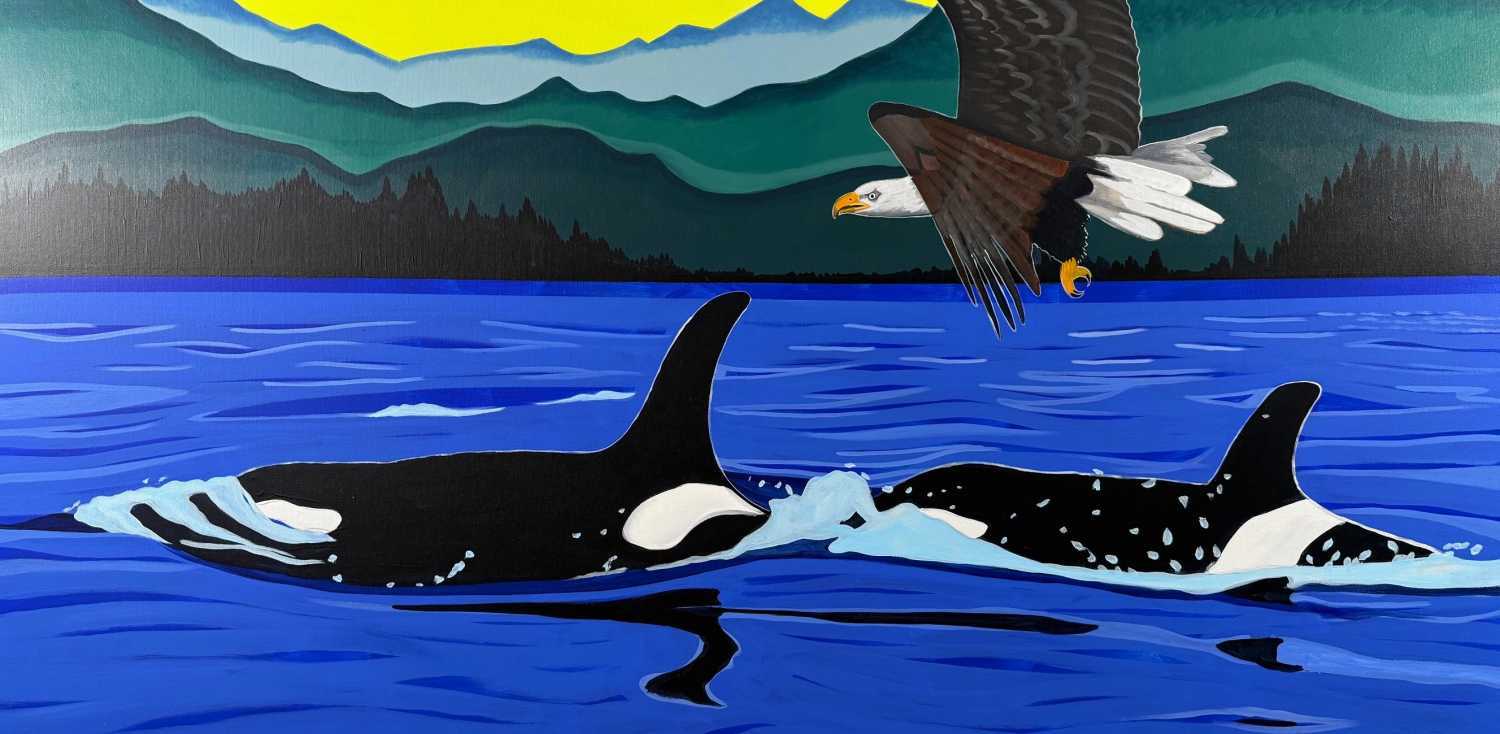
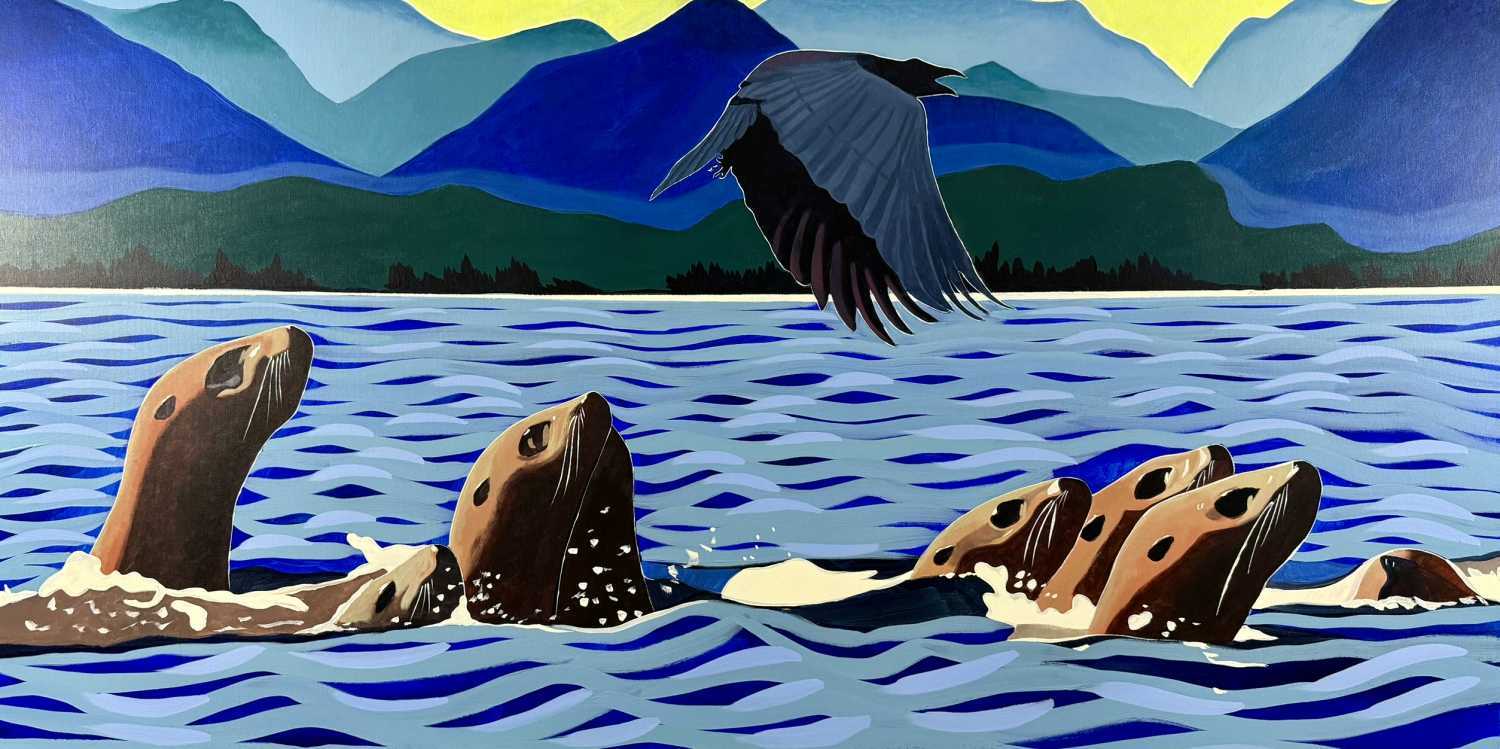
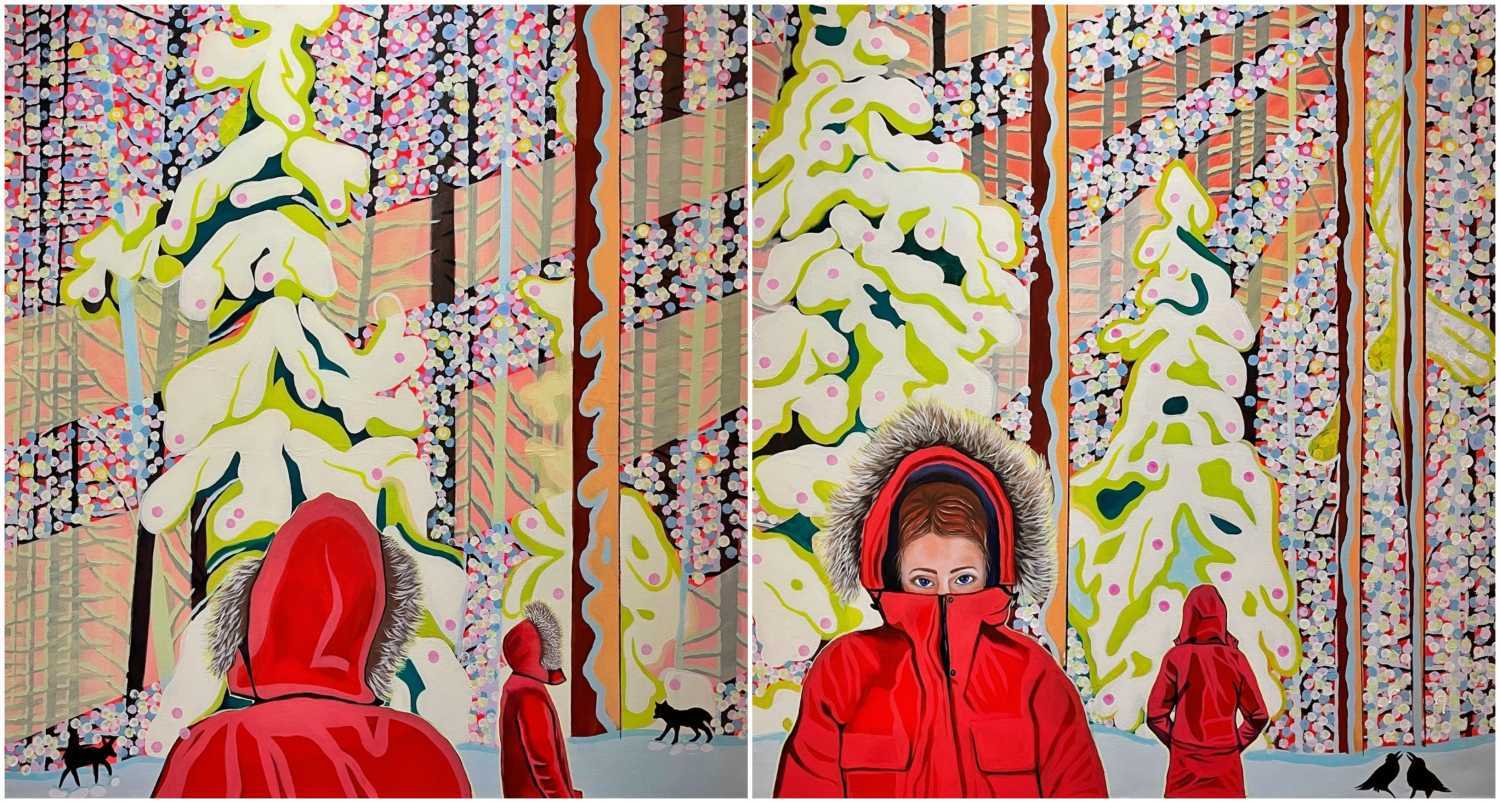
The Wild Life – Miller Art Gallery, Edmonton AB – 2025 – Brandy Saturley

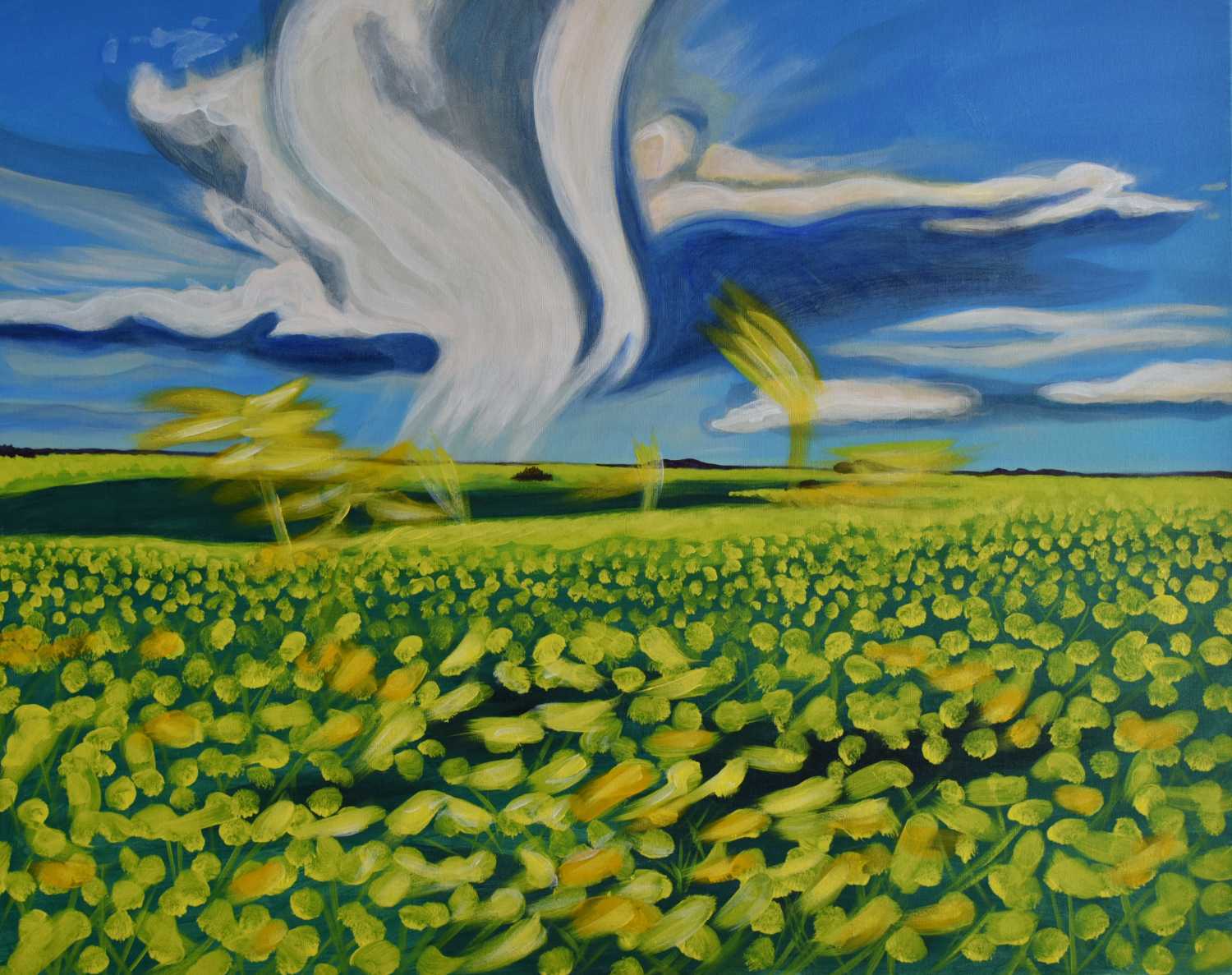
The landscapes change, yes, but so does the emotional temperature of the work. The West leans into space, light, and openness. The Prairies carry restraint, repetition, and horizon lines that stretch patience and perspective. Ontario often balances concept with commerce. Quebec moves confidently between tradition and experimentation. Atlantic Canada holds history close, with work that feels weathered, human, and deeply rooted. The North resists simplification altogether.

These regional differences still matter. They inform what gets painted and what gets collected.

The East Coast: Negotiation and Personal Connection

I’ve also learned that price points are not universal across the country. What feels reasonable in one region can feel ambitious in another. On the East Coast especially, there’s more conversation around price, more negotiation, and more relationship-building involved in the sale. This isn’t a criticism. It’s cultural. Art there is personal. It’s tied to community, story, and often survival. Sales are slower, but often deeper.

Newfoundland Paintings

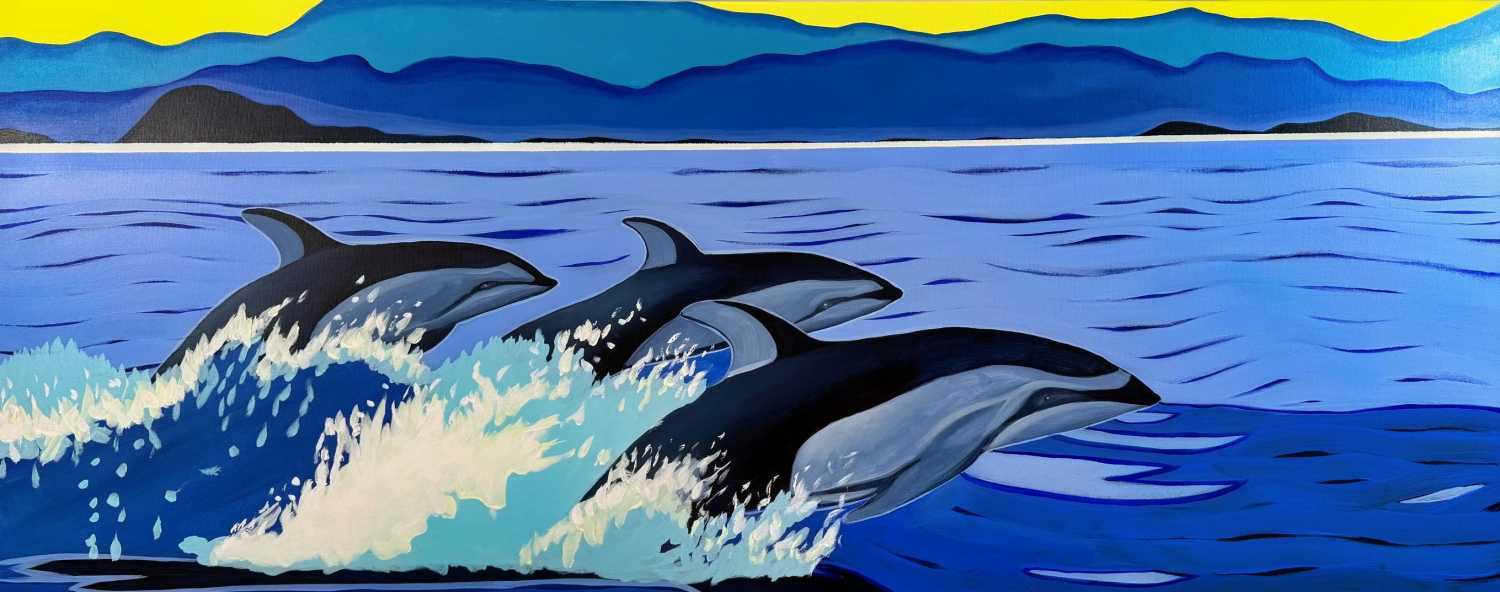
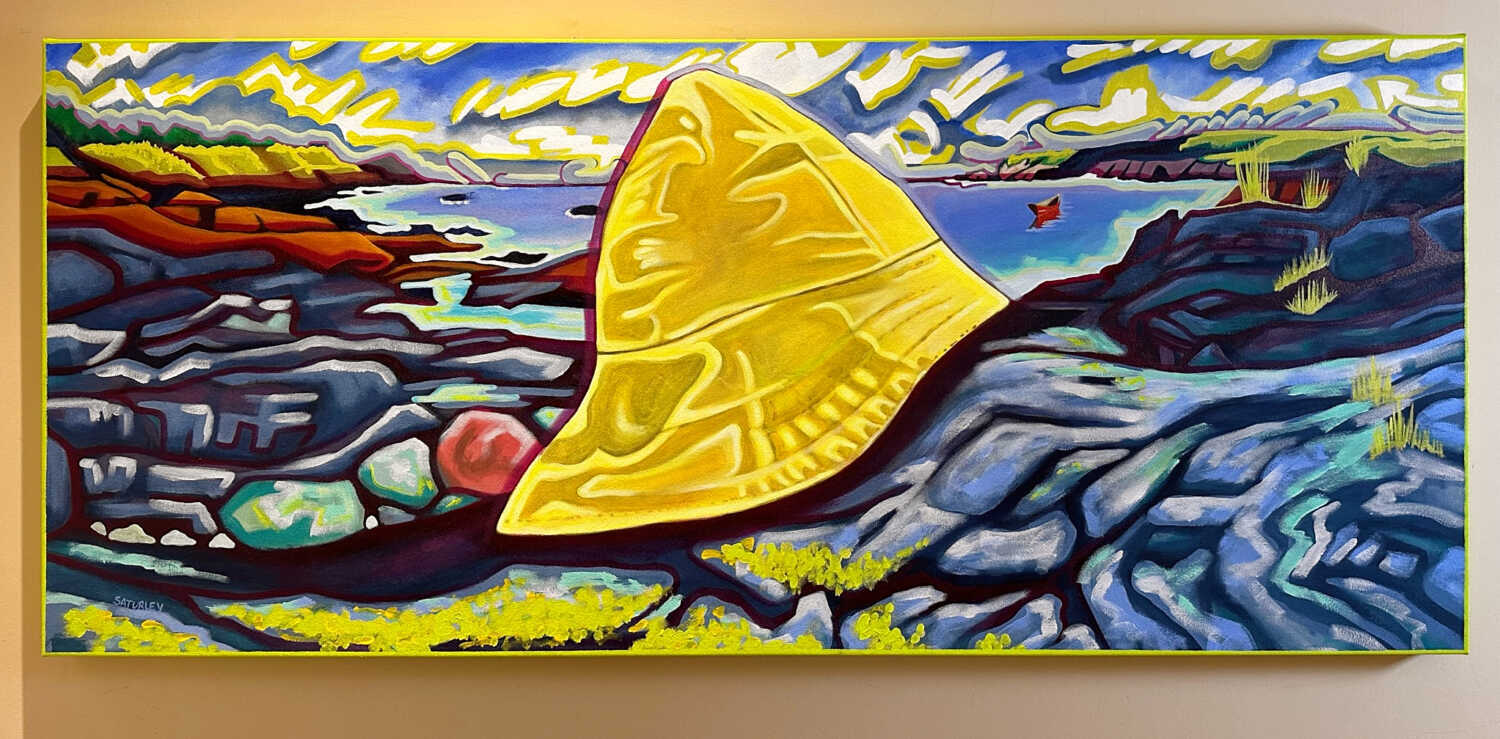
Newfoundland Paintings – Brandy Saturley – 2024

Alberta: Decisive Collectors, Immediate Connection

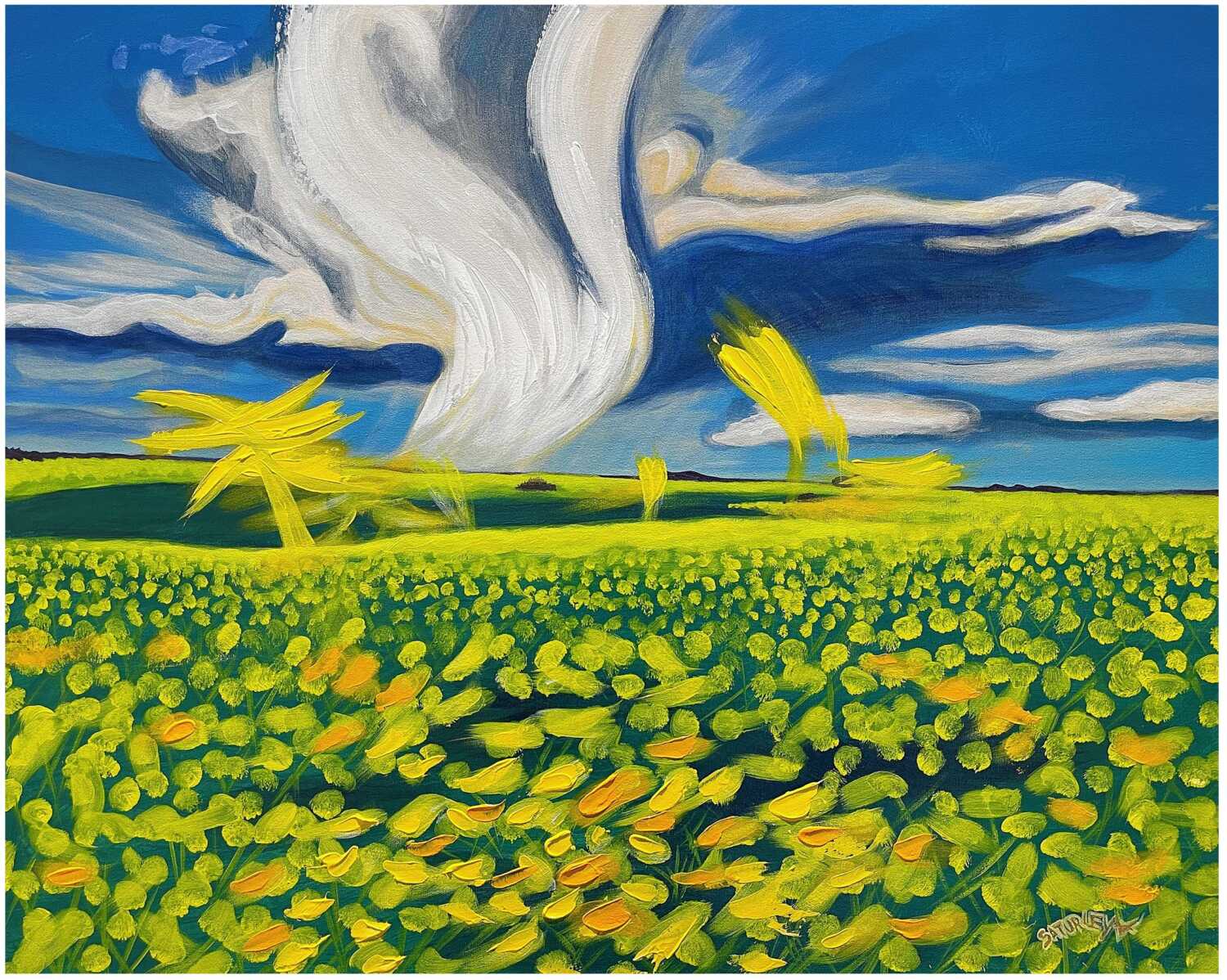
One of the most striking collector cultures I’ve encountered is in Alberta. There’s a directness there that feels refreshing and unapologetic. Alberta collectors often buy on the spot. When the connection is made, the decision follows quickly, without prolonged hesitation or extended negotiation.

These collectors tend to trust their instincts. They respond to scale, confidence, and clarity of vision. There’s an appreciation for work that knows what it is and stands firmly behind it. Conversations happen, of course, but they’re efficient. The artwork either resonates, or it doesn’t.

This decisiveness doesn’t feel transactional. It feels practical. Art is valued as something to live with, not endlessly deliberate over. The result is a market that rewards artists who show up prepared, present their work clearly, and stand behind their pricing.

After years of painting and exhibiting across the country, Alberta remains one of the places where I’ve felt the least friction between artist and collector. When the work connects, the answer is often simply yes.

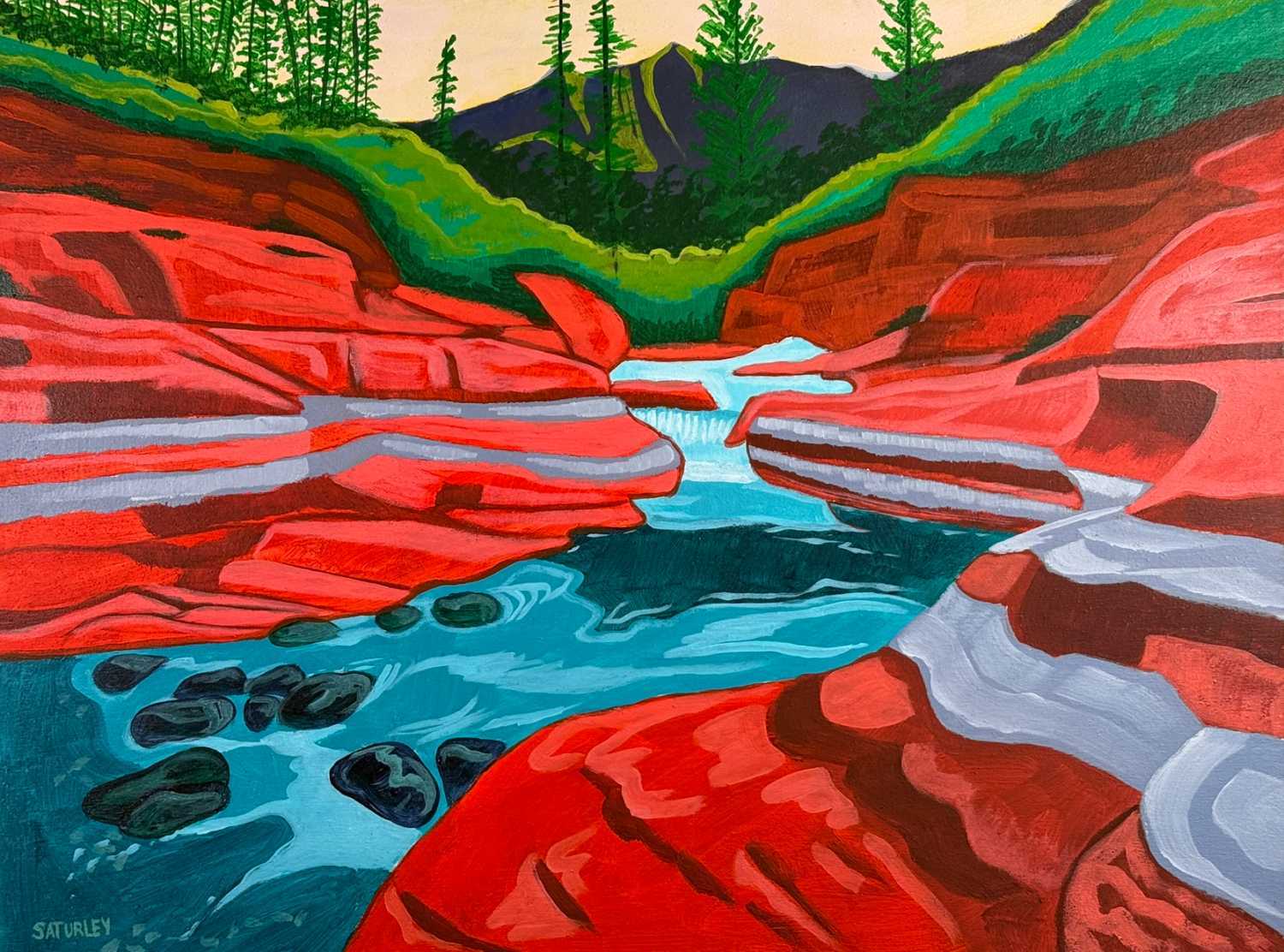
Alberta paintings – Brandy Saturley – 2025

Vancouver: Small, Abstract, and a Little Bit Shiny

Vancouver has long favoured a quieter kind of confidence. Collectors there tend to gravitate toward smaller-scale works, abstraction, and surfaces that carry a sense of refinement or subtle polish. There’s an attentiveness to finish, material, and atmosphere. The work doesn’t need to announce itself loudly. It needs to hum.

Abstraction plays well in Vancouver, especially when it leans contemplative rather than confrontational. Shifts in tone, light, and texture often matter more than overt narrative. There’s also an openness to work that feels elevated or luminous, pieces that reflect light, carry sheen, or reward close looking over time.

This collecting culture aligns closely with the city itself. Dense, design-aware, and visually restrained, Vancouver values art that integrates seamlessly into living spaces while still holding conceptual depth. The emphasis is less on declaration and more on resonance.

For an artist, Vancouver rewards precision. The work needs to be resolved, intentional, and confident in its quietness. When it is, collectors notice.

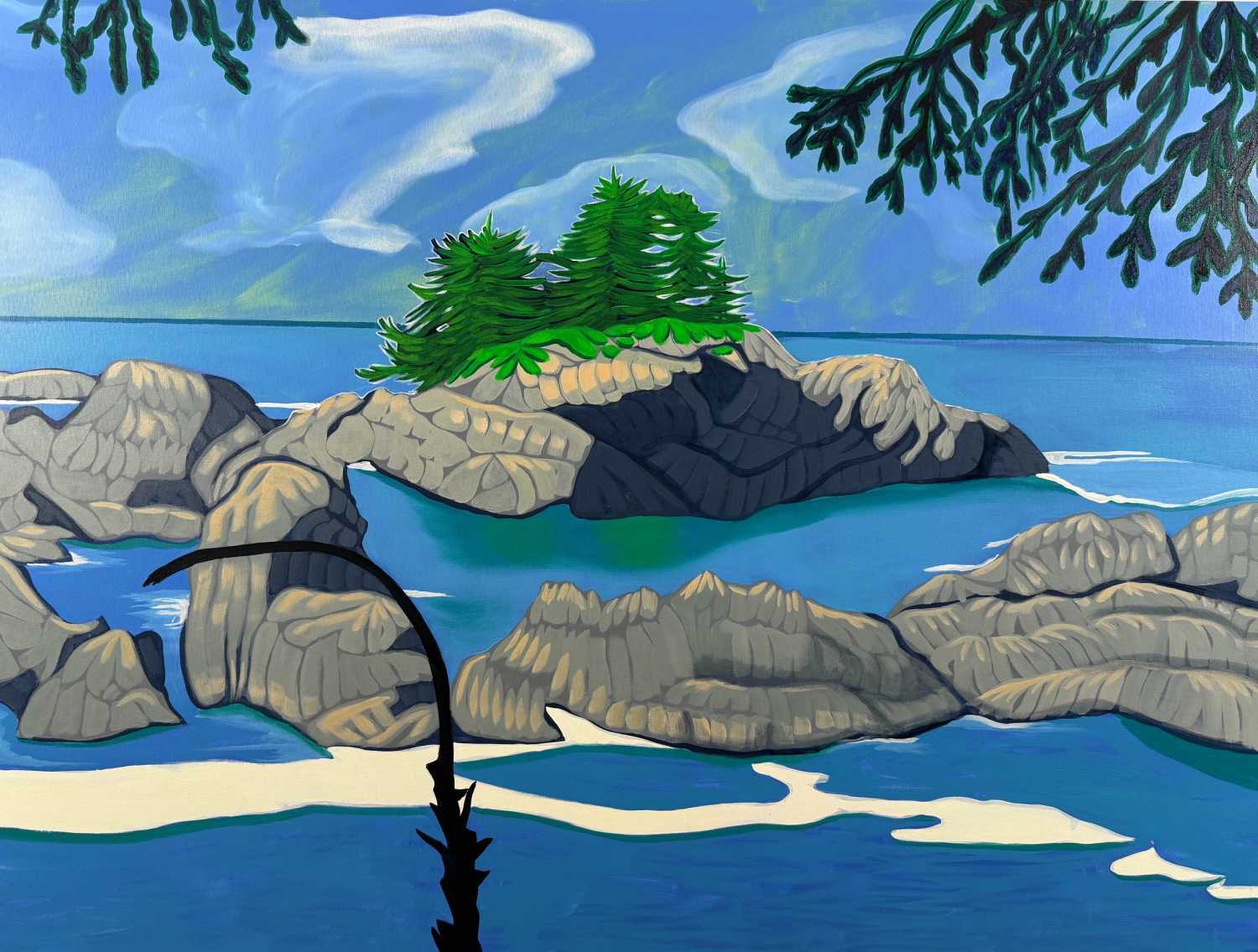
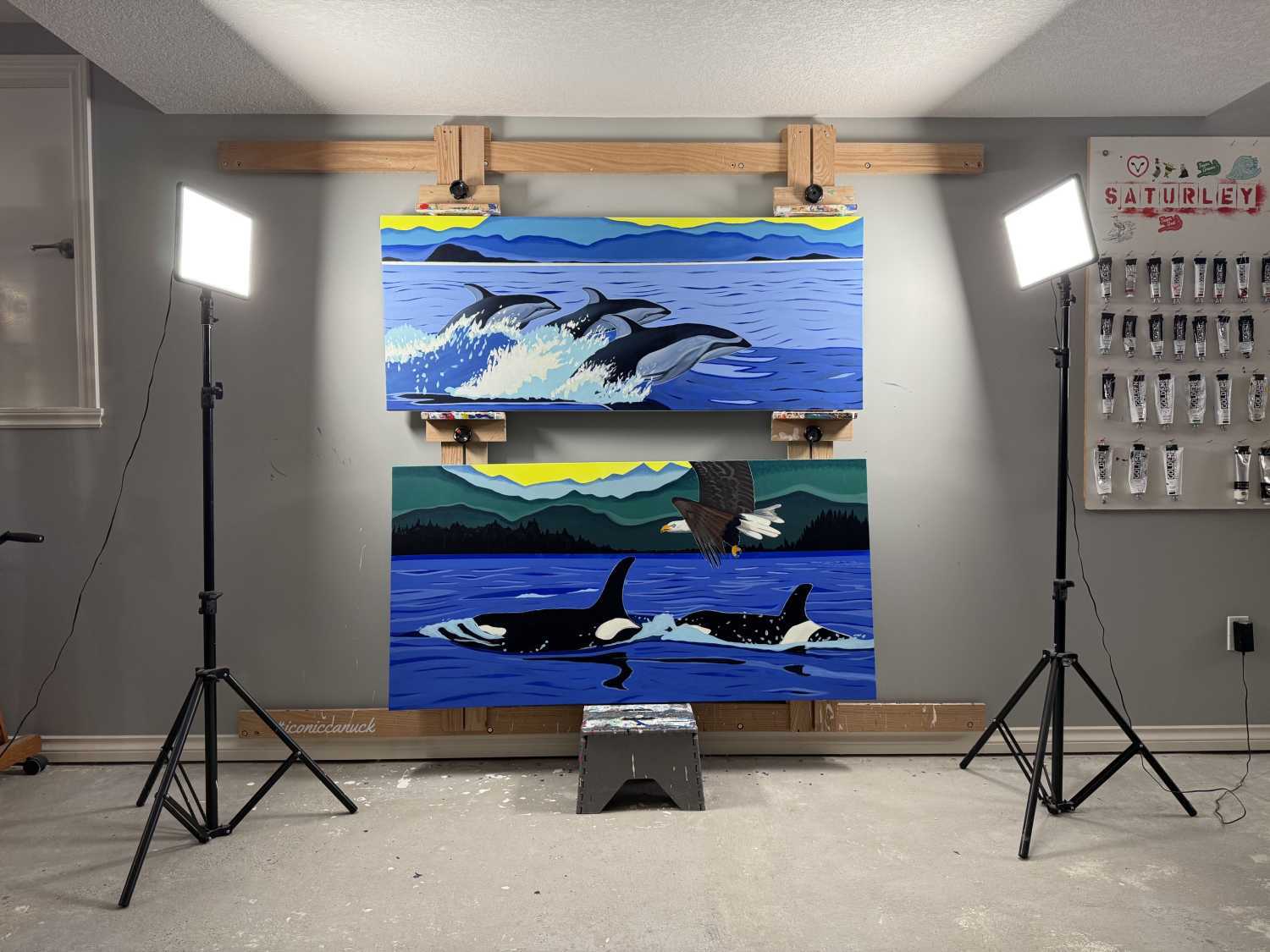
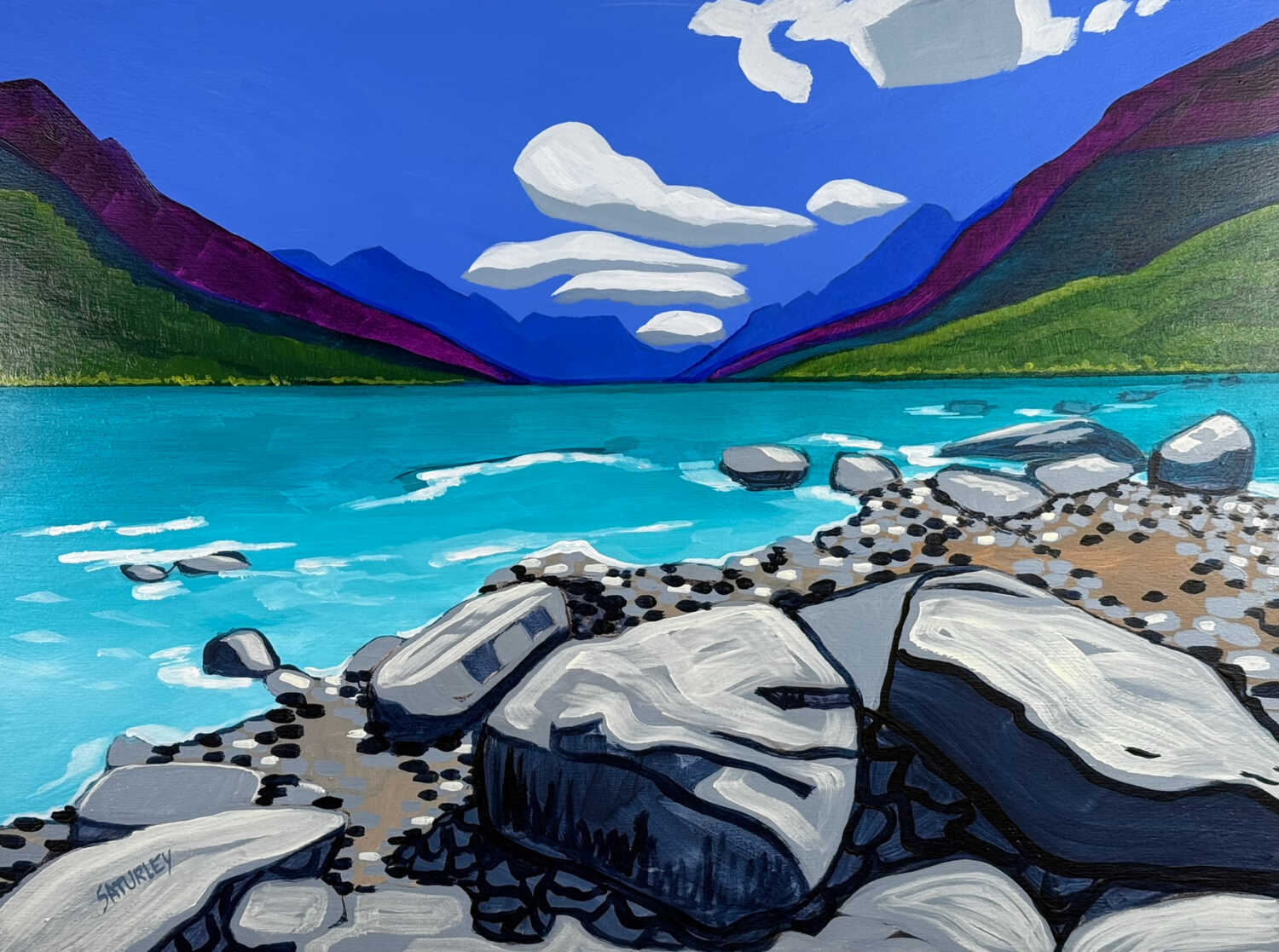
Vancouver Island Paintings – Brandy Saturley – 2025

20 Years Painting Canada

Across Canada, however, landscape painting continues to hold. Despite decades of predictions about its decline, collectors still respond to place. Not postcard versions of Canada, but lived-in ones. Weather, distance, memory, solitude. Landscape remains a shared language, even as the dialect changes from province to province.

20 Years Painting Canada

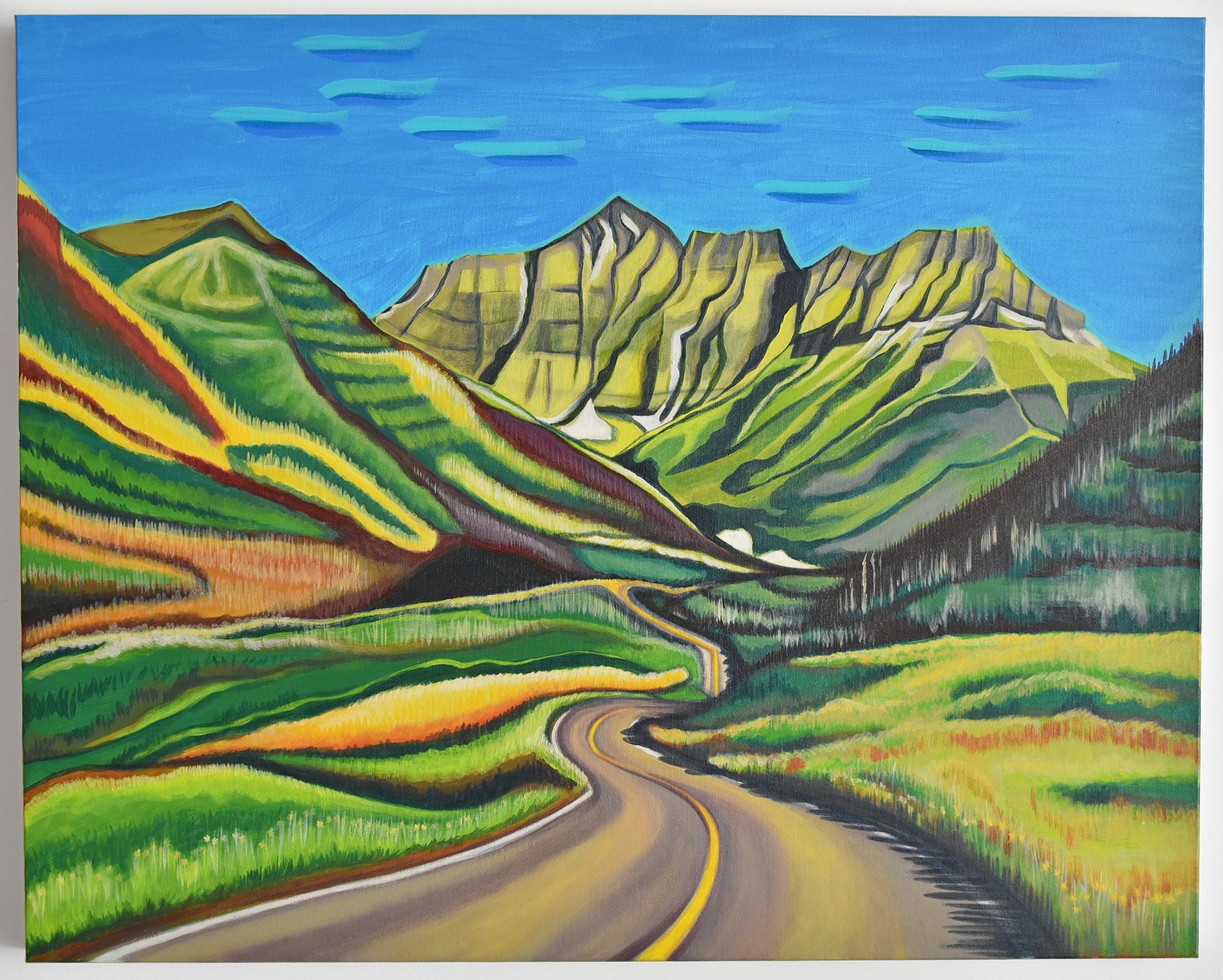
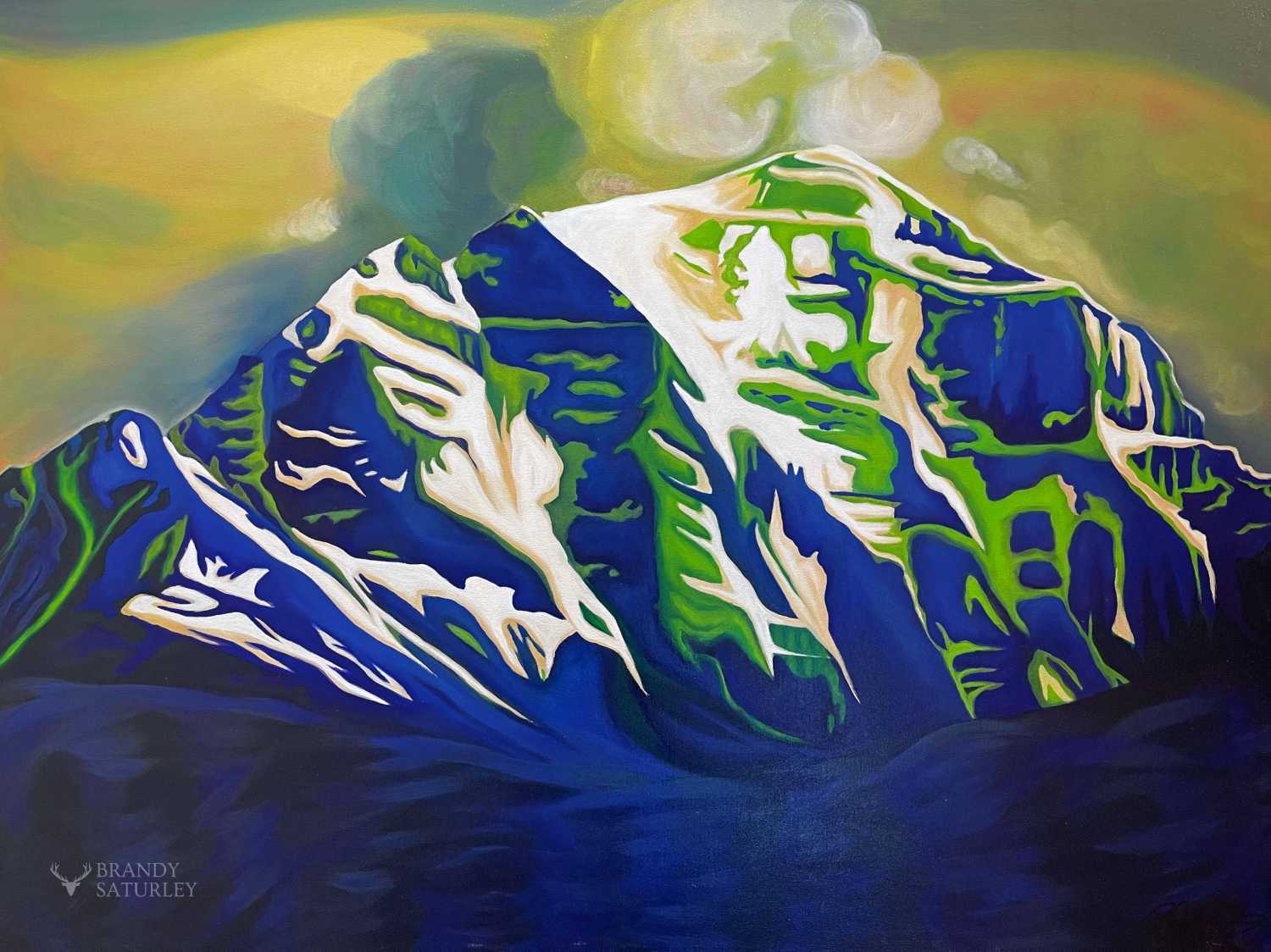
Rocky Mountains Higher – Brandy Saturley – 2017

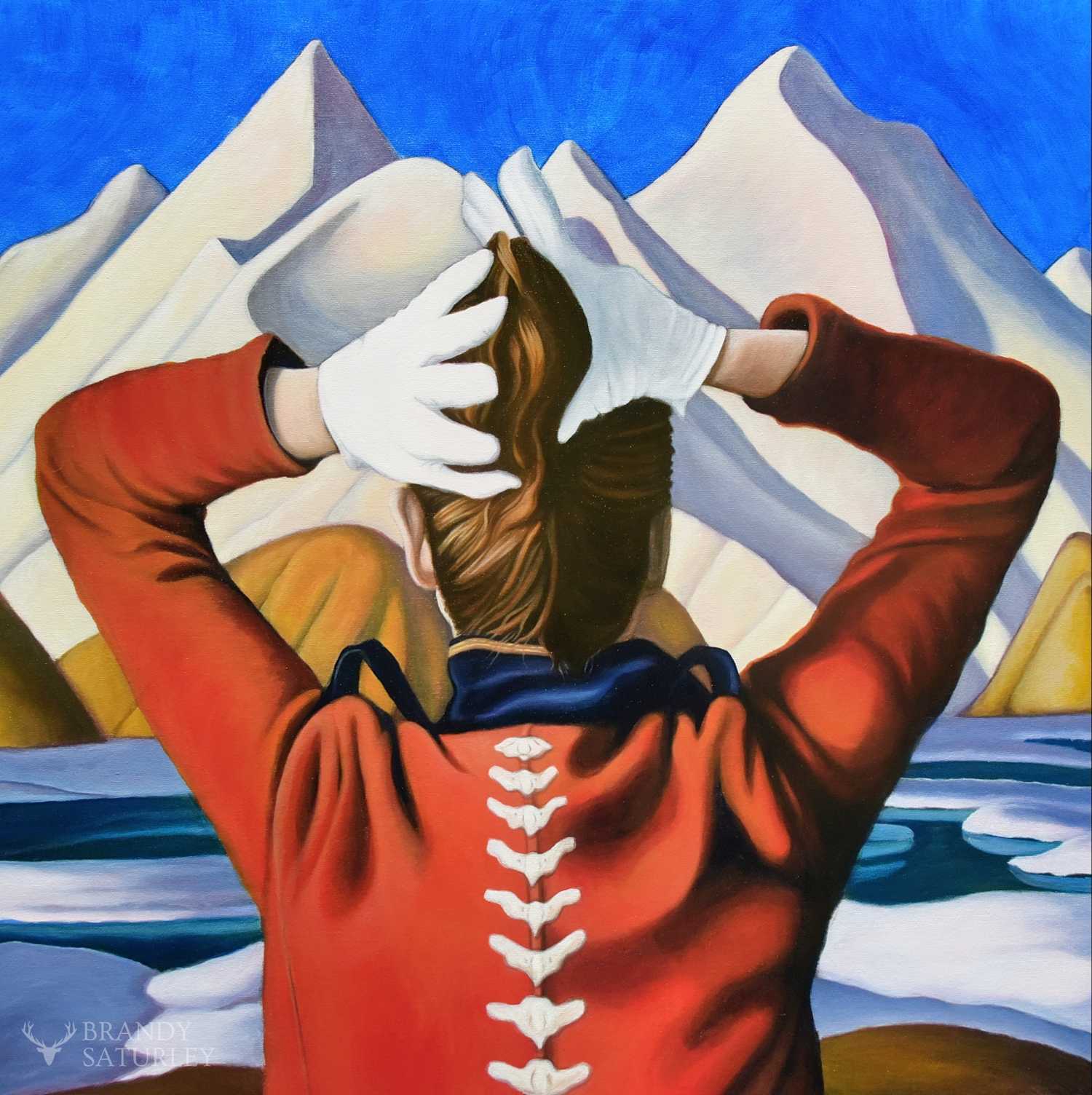
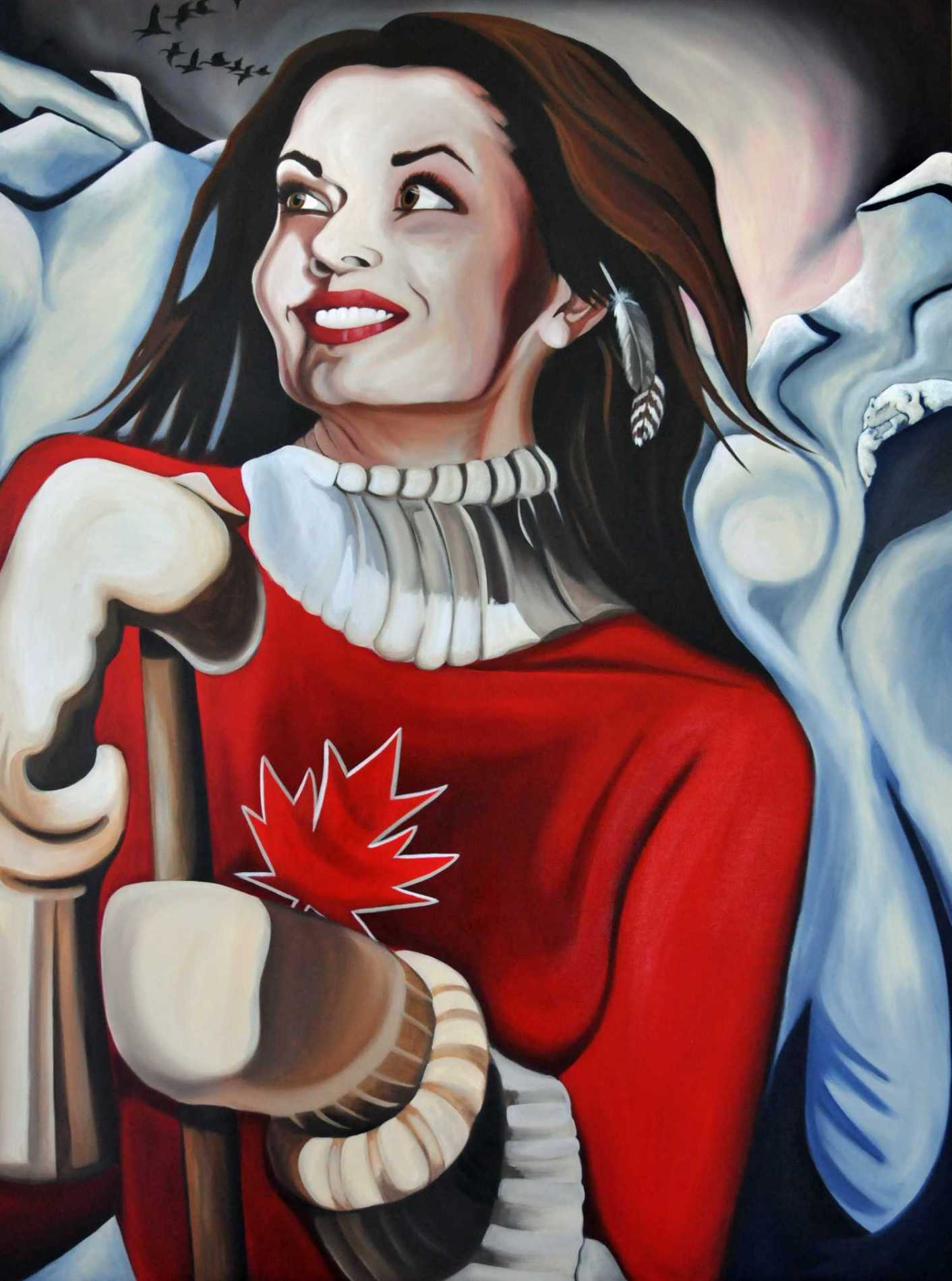
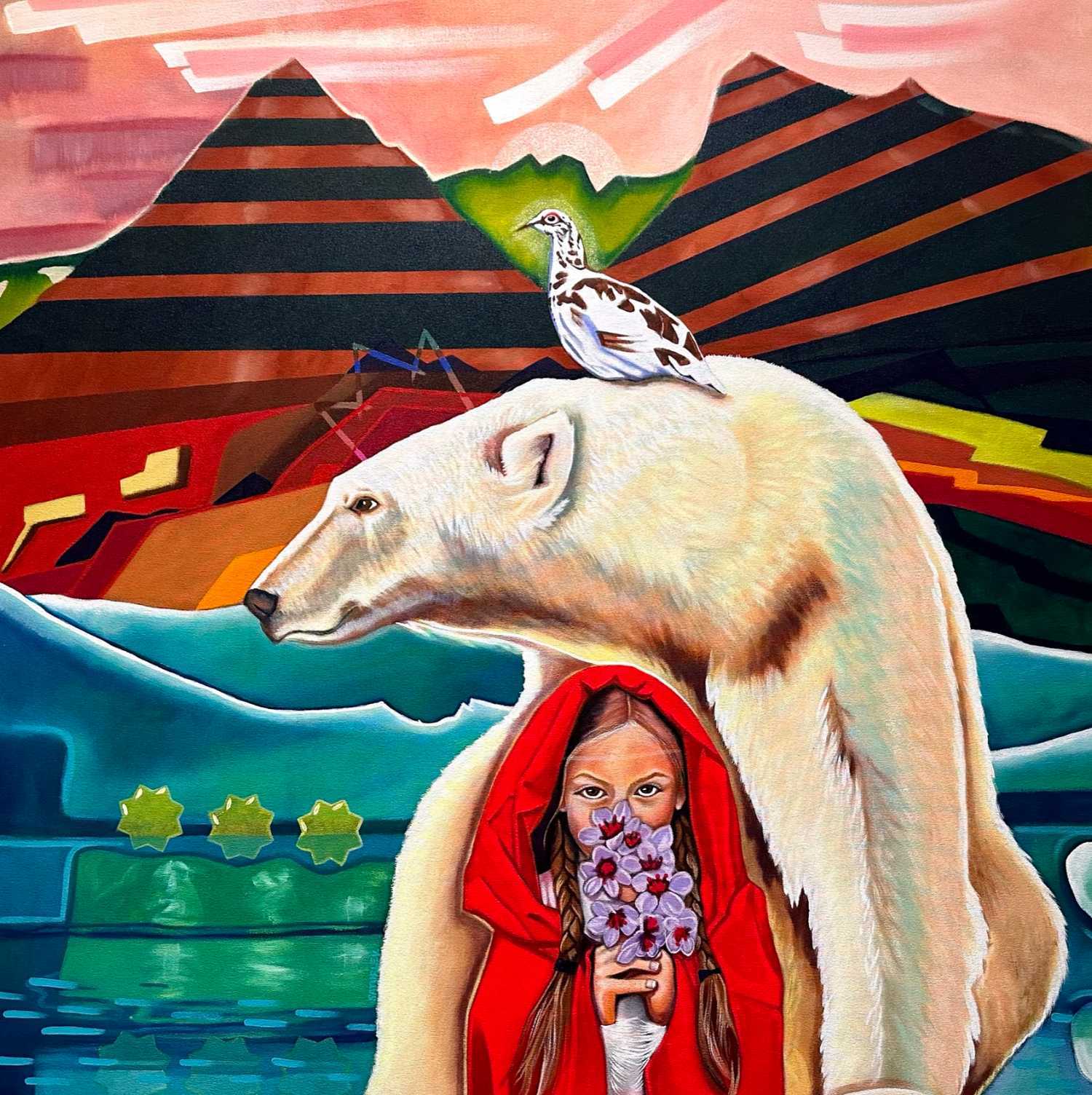
In recent years, I’ve witnessed Indigenous art command long-overdue attention and market strength. This visibility matters, though it also brings responsibility. Institutions, collectors, and artists alike must approach Indigenous work with care, context, and respect, not trend-chasing. The depth, diversity, and regional specificity within Indigenous art resists any single narrative, much like Canada itself.

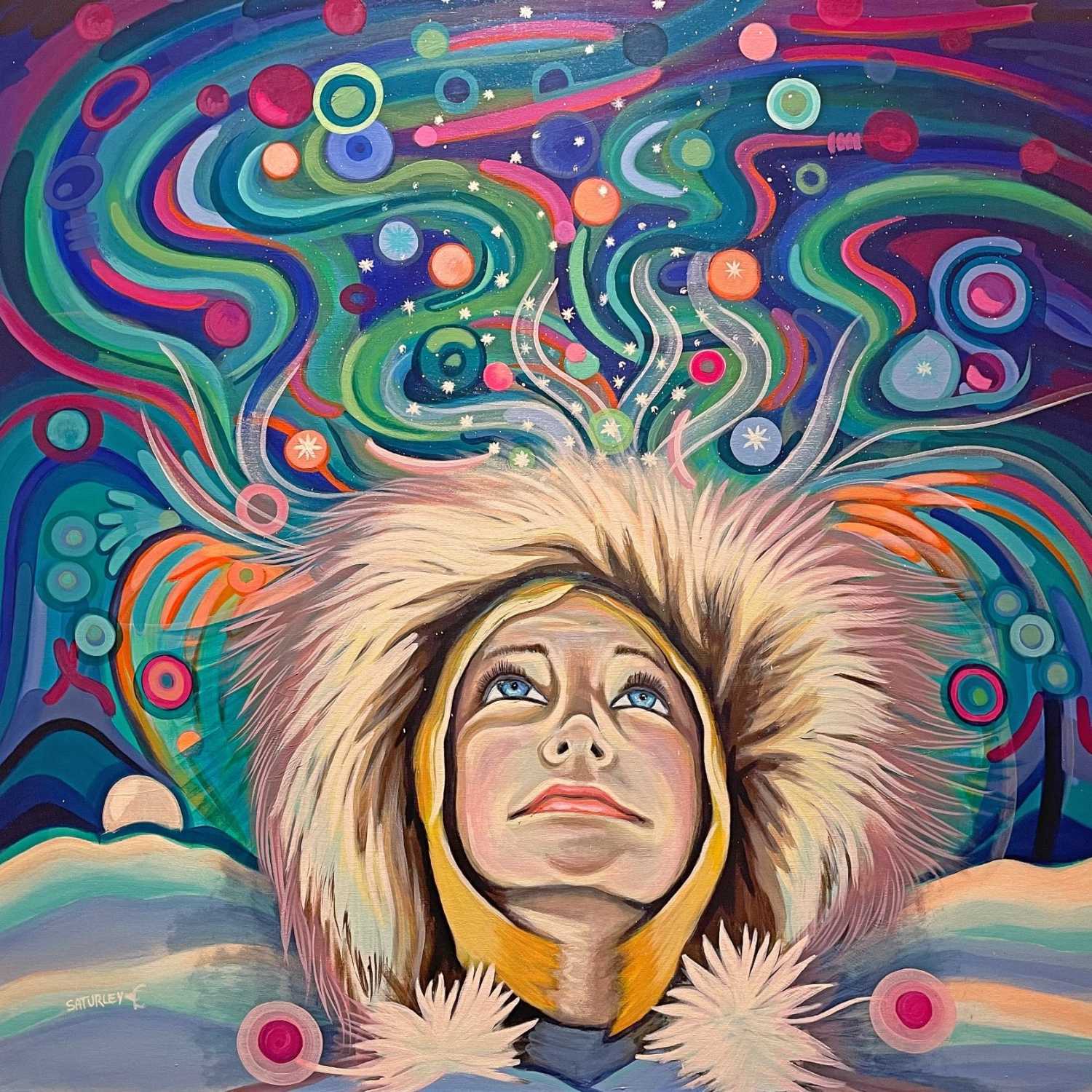
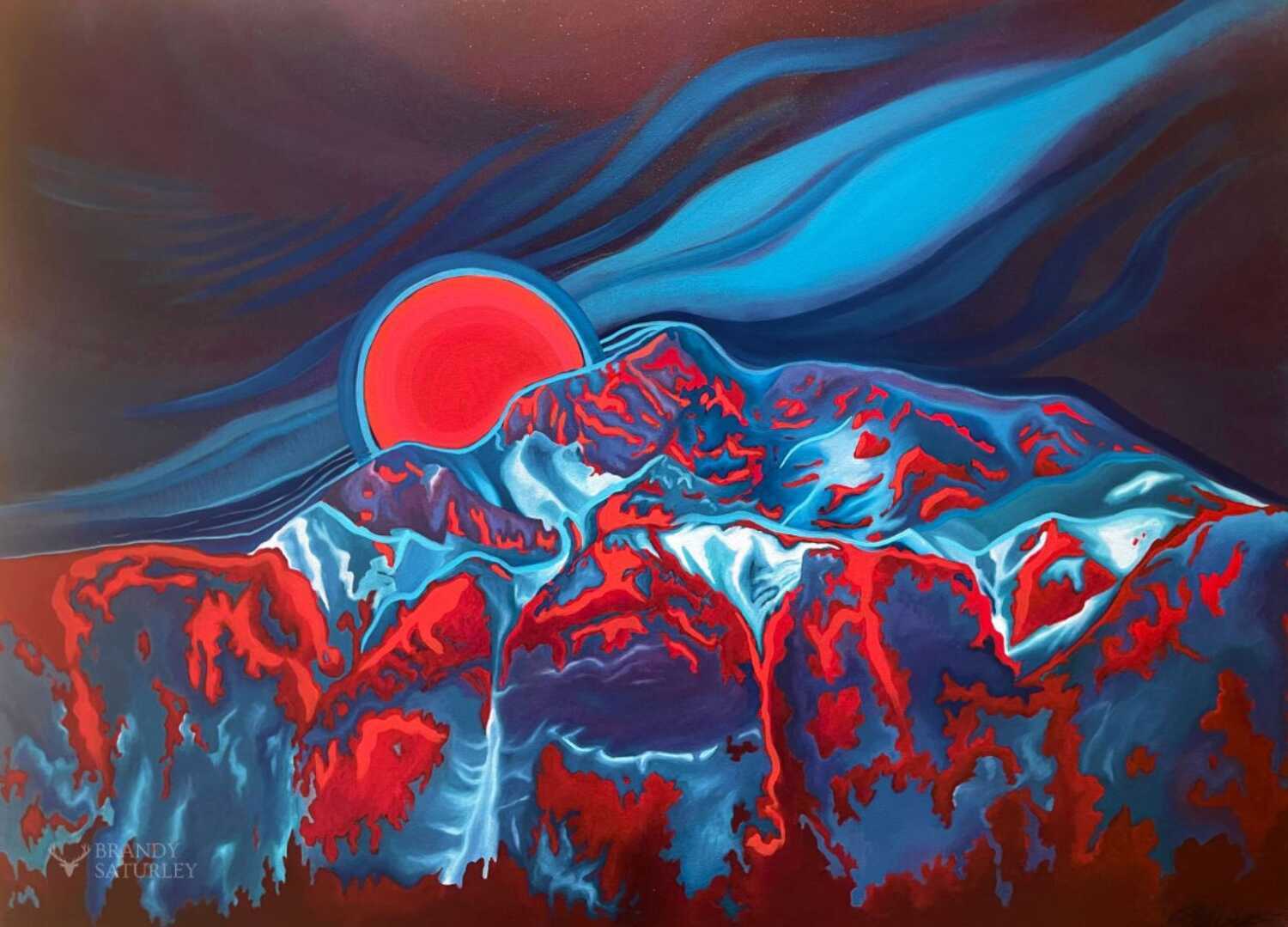
Monarch of The Arctic Realms, Brandy Saturley, 2024

Another noticeable shift has been the increased visibility of women artists. There’s more space now, more recognition, and more leadership. While equity is still a work in progress, the conversation has changed. Women’s voices are no longer peripheral. They’re shaping the centre.

20 Years Painting Canada

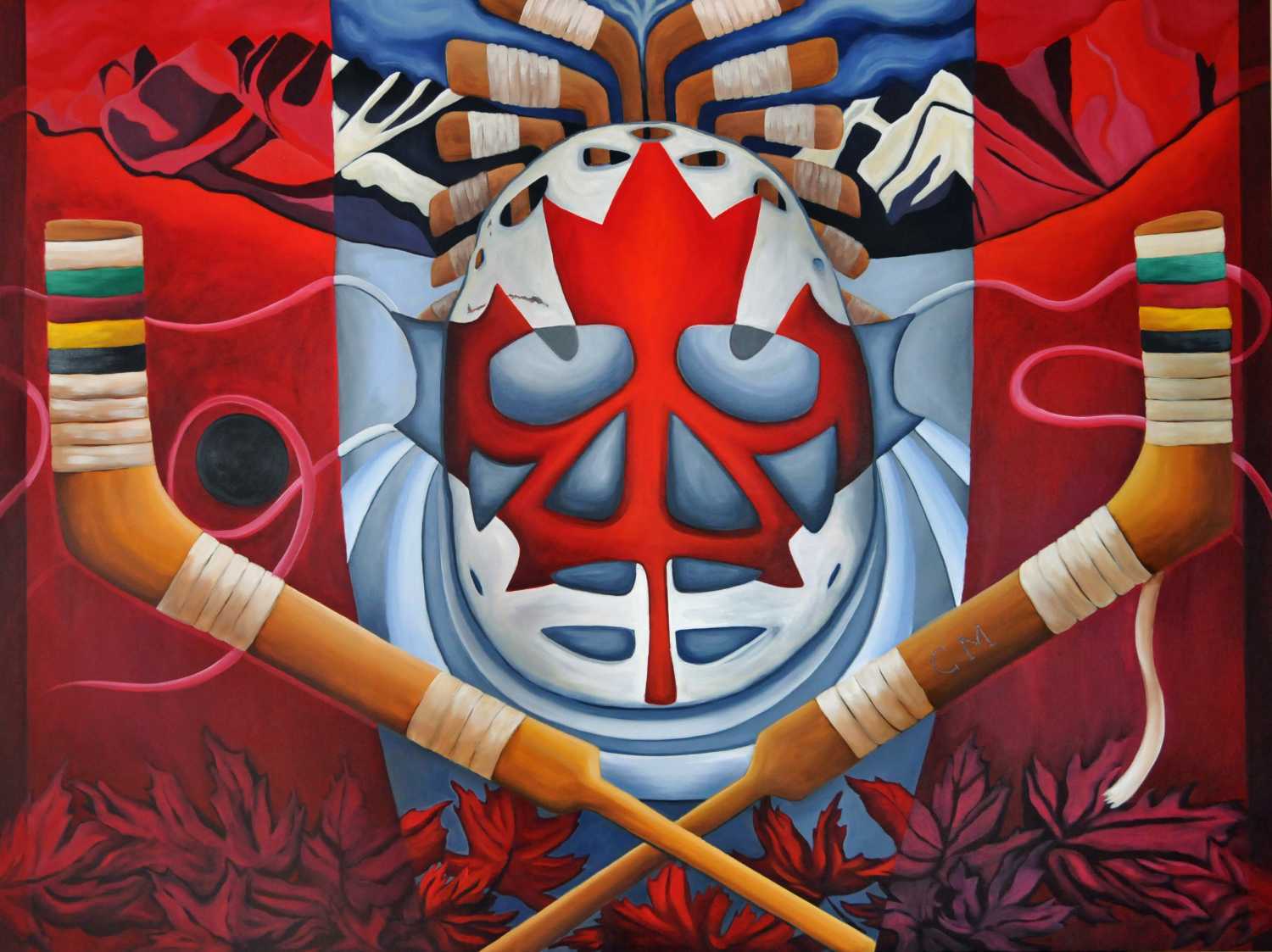
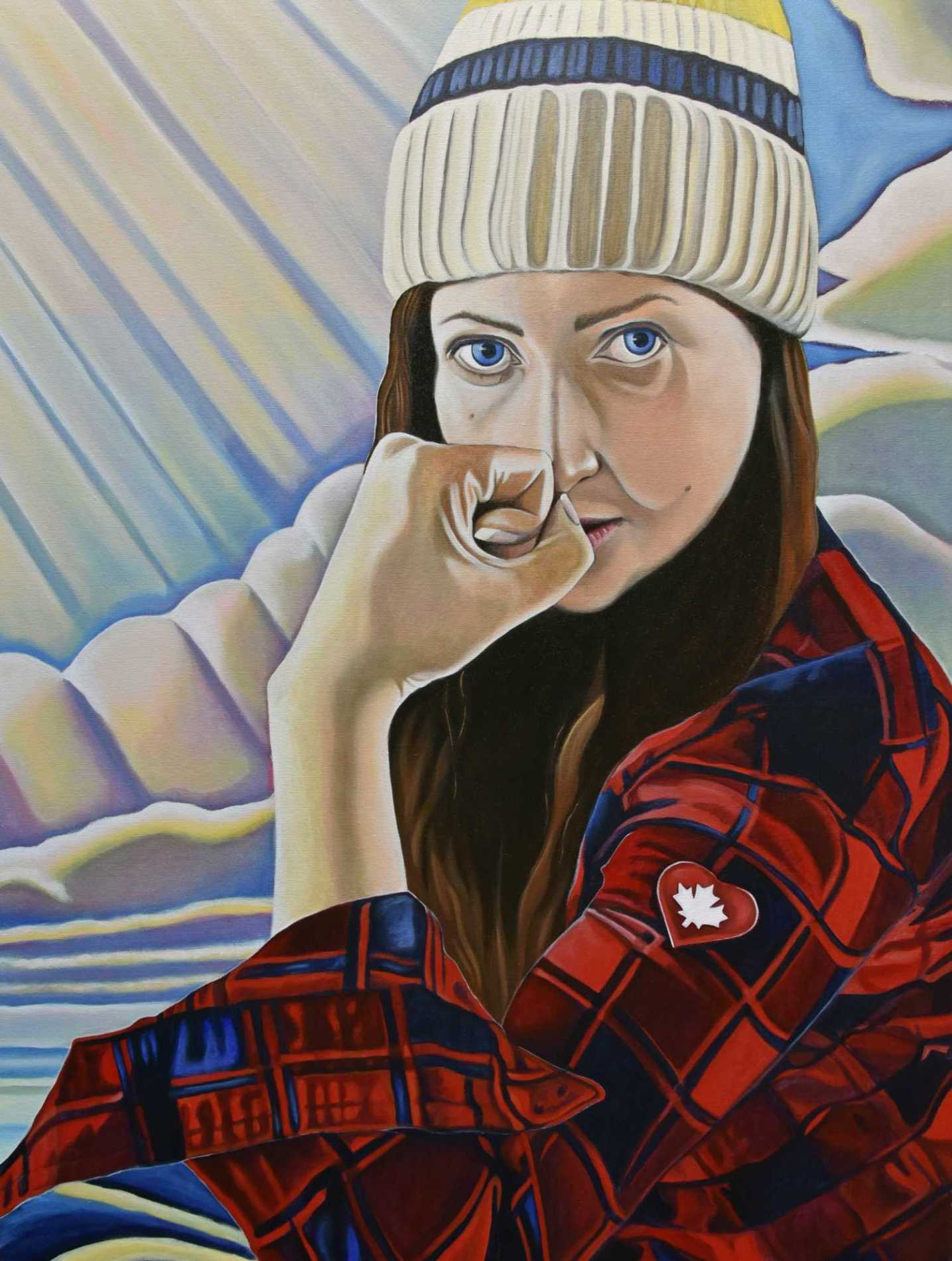
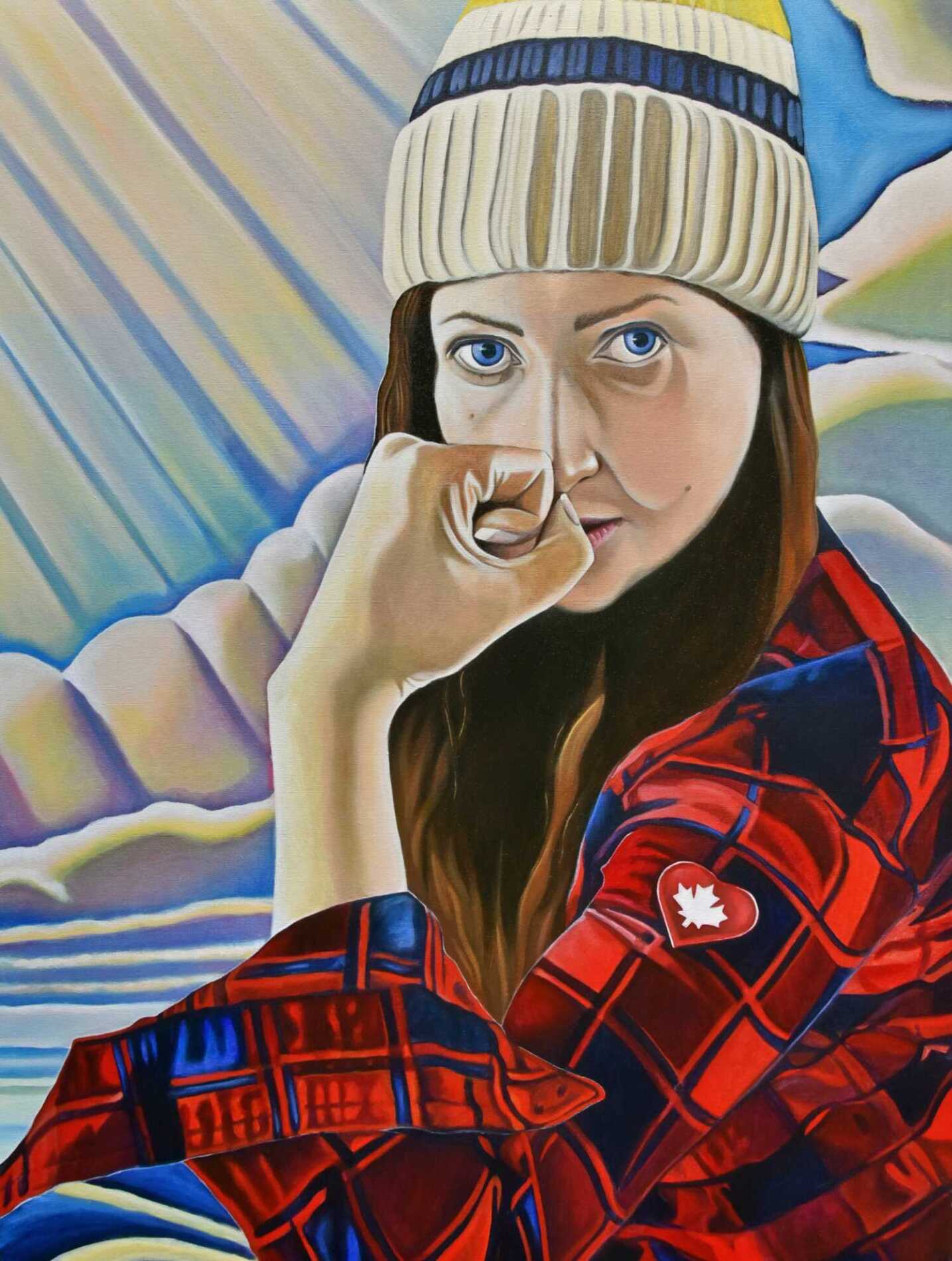
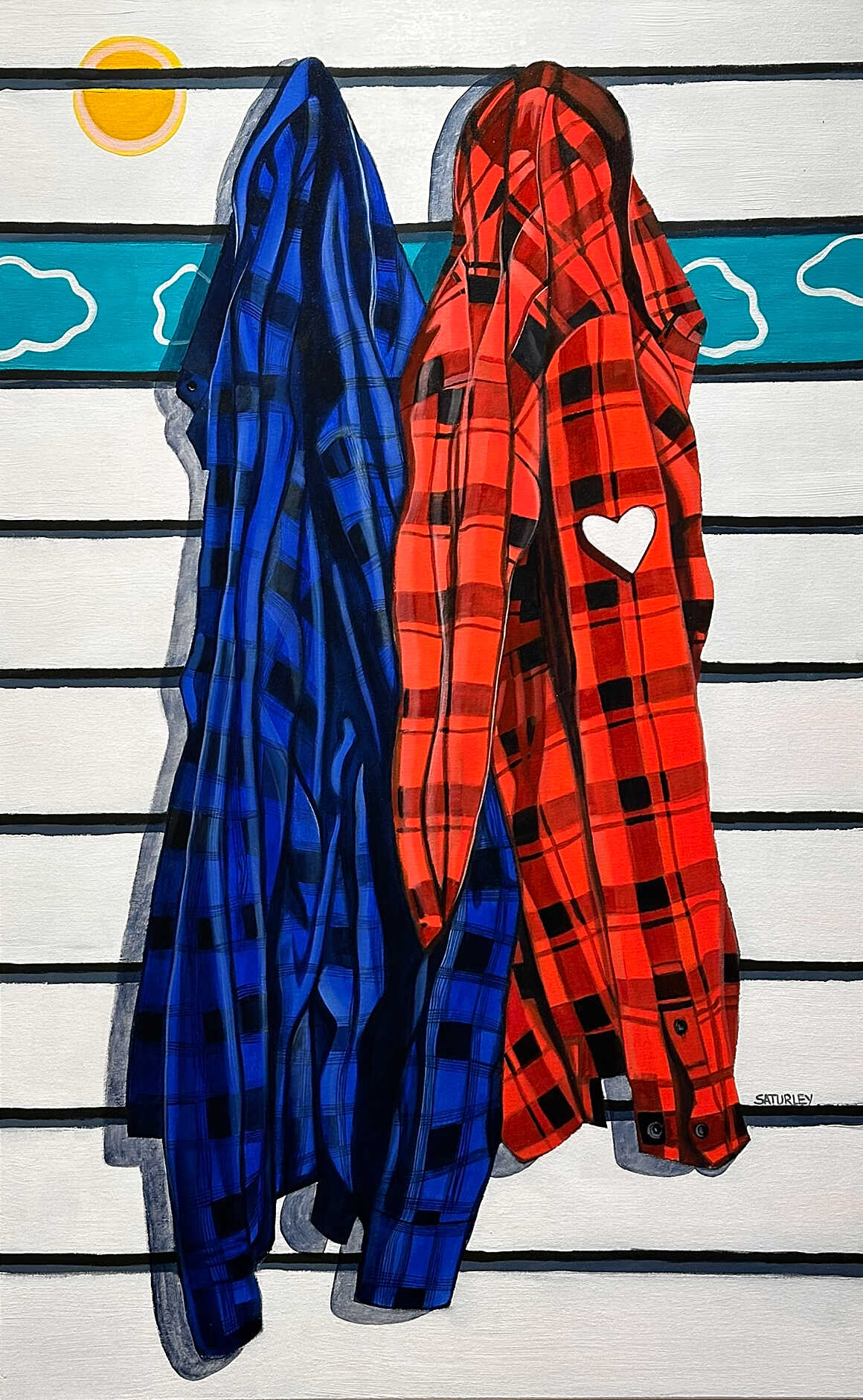
With Hearts On Our Sleeves, Brandy Saturley, 2017

What painting Canada for nearly twenty years has taught me most is this: the country reveals itself slowly. It resists shortcuts. You have to show up, travel it, listen to it, and let the regions speak for themselves.

Canada isn’t one story. It’s many, told in different accents, under different skies, at different price points, with different expectations. Painting my way through it has been less about defining Canada and more about paying attention to its nuances.

And that, I think, is where the real work lives. See more Canadian Paintings here.

20 Years Painting Canada

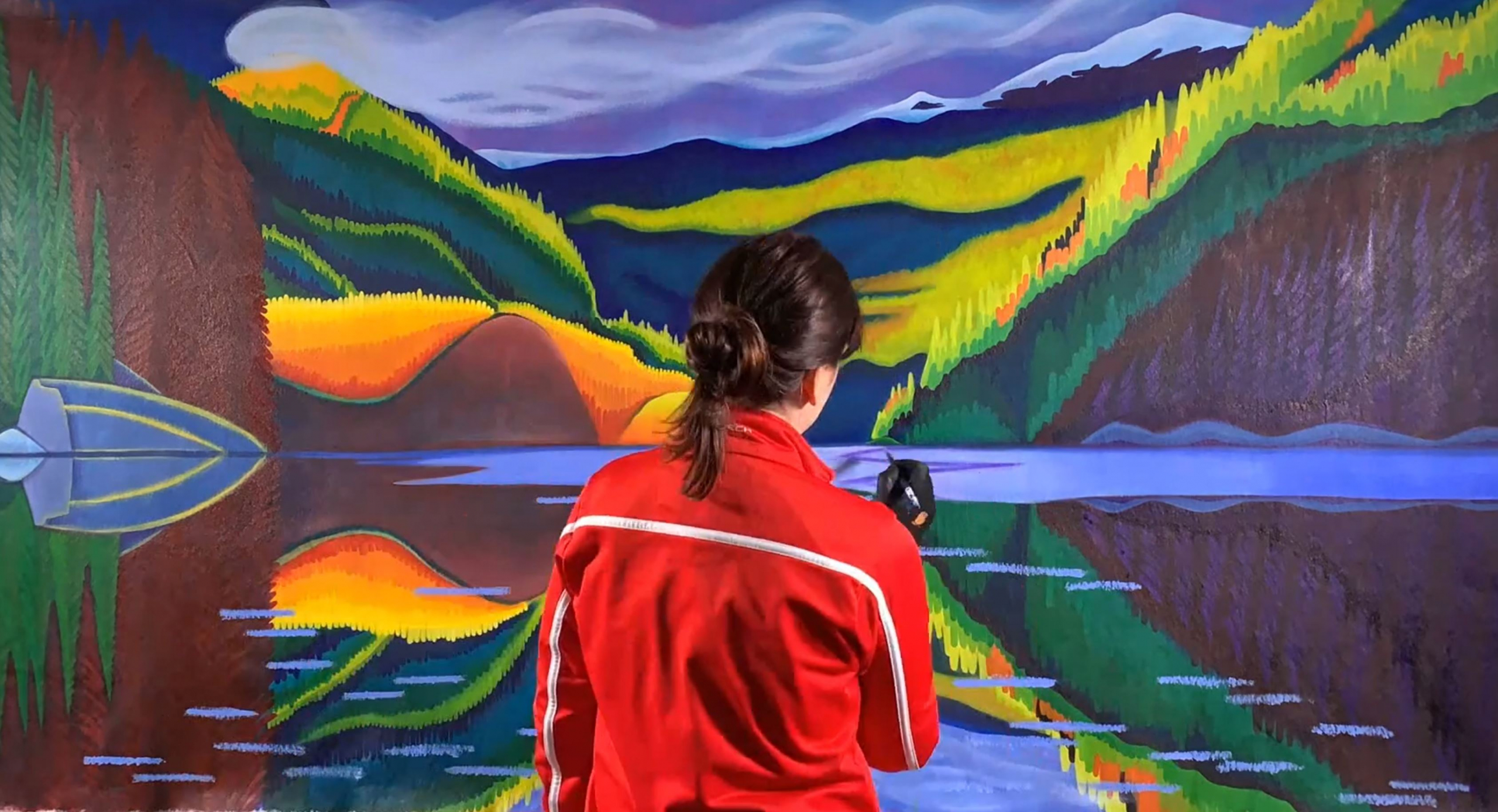
Brandy Saturley with her art shipping crates, 2017

We Spent the Holidays Exploring Beautiful Vancouver Island

Adventure is woven into my art practice. When I’m not in the studio, I’m out walking, wandering, and immersing myself in nature. Beautiful Vancouver Island offers an endless invitation to do just that.

Beautiful Vancouver Island

Parksville Beach, Fall 2025

We moved from Victoria to Parksville this past fall and quickly found ourselves exploring the mid-island landscape. Those first months in Parksville were spent setting up my studio, and I treated the transition like an artist residency of sorts. Equal parts work and discovery. Fortunately, there is no shortage of places to explore here.

Rathtrevor Beach, Winter 2025

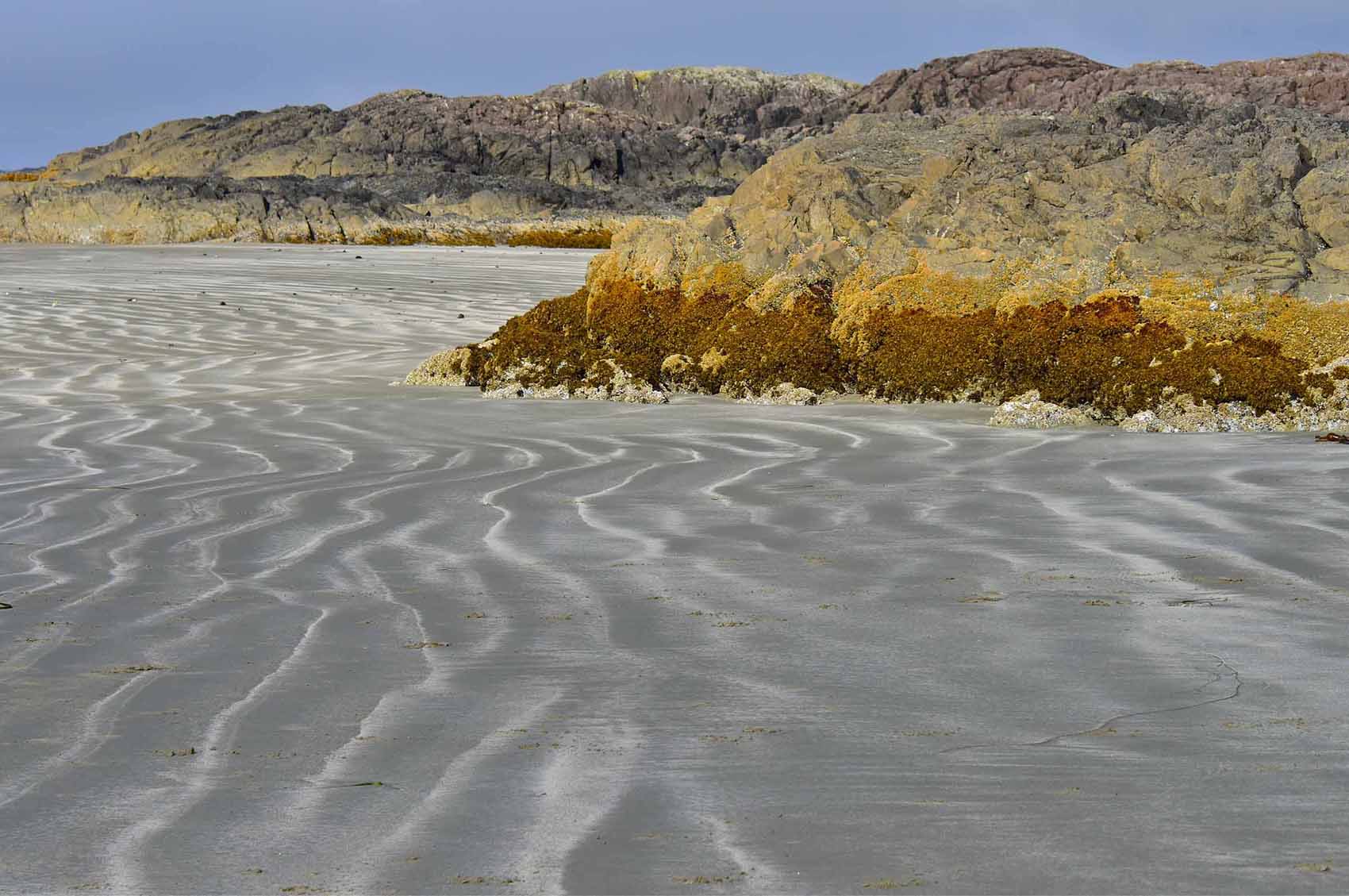
My wanderings began close to home, at the local beach just a ten-minute walk from the studio. When the tide is low, the shoreline opens wide. You can walk for yards, even miles, across smooth sand etched with the rippling patterns of retreating waves. Parksville Community Beach and the expansive Rathtrevor Beach stretch along the waterfront near downtown, offering ever-changing views shaped by light, tide, and season.

Rathtrevor Beach, Winter 2025

Beautiful Vancouver Island – Mid-Island Destinations

Venturing farther afield, both on foot and by car, reveals dozens of remarkable trails winding through thick rainforest. Cathedral Grove, located in MacMillan Provincial Park, is one of the most accessible stands of giant Douglas firs on Vancouver Island. The park protects an internationally significant example of old-growth forest within the Coastal Western Hemlock biogeoclimatic zone. Walking beneath these towering trees, some more than 800 years old, feels like stepping into another time. Massive trunks rise like ancient pillars, untouched by the rush of the modern world.

Beautiful Vancouver Island

Cathedral Grove, Winter 2026

Little Qualicum Falls Provincial Park, in central Vancouver Island, is equally awe-inspiring. The park straddles the Little Qualicum River and includes the southern shore of Cameron Lake. Here, powerful waterfalls cascade through a rocky gorge surrounded by dense forest and framed by steep mountain peaks. It is a place of movement and sound, where water and land are in constant conversation.

Beautiful Vancouver Island

Little Qualicum Falls, Winter 2025

Englishman River Falls Provincial Park is especially striking in winter, when the volume and force of the water are at their peak. One of five BC Parks within the Mount Arrowsmith Biosphere Region, the park features two magnificent waterfalls set among old-growth and second-growth forest of Douglas fir, cedar, hemlock, and maple. Beyond the dramatic views and well-loved hiking trails, the park holds deep ecological importance. The Englishman River supports vital plant and fish habitats, provides a place to witness salmon spawning in the fall, and supplies drinking water to the surrounding community.

Englishman River Falls, Winter 2026

Exploring these places over the holidays reminded me why landscape continues to shape my work. Walking through forests, along beaches, and beside rivers is not separate from the studio practice. It feeds it. Vancouver Island is a generous place, offering beauty, scale, and quiet moments of wonder for those willing to step outside and wander.

Beautiful Vancouver Island

Little Qualicum Falls, Winter 2025

You can read more about my Parksville adventures and see the paintings they inspired here.

Englishman River Falls, Winter 2026

Painting People on Outdoor Ponds – Ice Skating Art in Canada

Recently, The Canadian Art Junkie published a feature on The Art of Skating, highlighting Canadian artists who have celebrated outdoor skating through visual storytelling on canvas. It is a subject deeply woven into the fabric of Canadian art history. From Alex Colville to Ken Danby, many painters before me have been drawn to skating as both image and metaphor. Whether it’s an outdoor hockey rink, a game of shinny, families circling a frozen pond, or the quiet focus of a lone figure skater, skating offers endless material to keep a painter’s brush in motion.

Ice Skating Art

The Prodigy, Acrylic On Canvas, 36 x 48 x 1.5 in, 2021 – Brandy Saturley

Over the years, the theme of ice skating has surfaced again and again in my own work. That feels fitting, as Canadian winter is not merely endured, it is actively lived on ice. From farmers’ fields flooded and frozen on the Prairies, to glassy mountain lakes in Alberta, from the Great Lakes to small backyard ponds, skating is one of the most democratic and joyful ways Canadians meet winter head-on. It turns cold into community.

Ice Skating Art

Pond Hockey Days, Acrylic On Canvas, 36 x 48 x 1.5 in, 2021 – Brandy Saturley

Painting skaters outdoors allows me to explore more than motion. It’s about atmosphere, breath in the air, the scrape of blades against ice, the muted soundscape that comes with snow-covered land. Skaters become small but essential figures within vast winter landscapes, reminding us of our scale in nature and our resilience within it. Often bundled in parkas, scarves, and knit hats, they carry a distinctly Canadian silhouette, recognizable even without faces.

Detail view – Glide Away, Acrylic On Canvas, 36 x 48 x 1.5 in, 2021 – Brandy Saturley

There is also a quiet nostalgia embedded in these scenes. Outdoor skating often exists outside of structured time. It happens at dusk after school, on weekends, during holidays, or in those fleeting moments when the ice is just right. Painting these scenes becomes a way of preserving a shared memory. Many viewers tell me they can feel themselves back on the ice when they encounter these works, toes numb, cheeks burning, laughter echoing across a frozen surface.

Ice Skating Art

Vortex, Acrylic on canvas, 48×36, 2021 – Brandy Saturley

Historically, skating in Canadian painting has often been used to speak about balance, discipline, and grace, but also about play. It sits at the intersection of sport and leisure, survival and joy. That duality continues to interest me. A frozen pond can be both serene and energetic, expansive yet intimate. It’s a stage where stories unfold without spectacle, where everyday life quietly becomes worthy of paint.

girls hockey painting

We Dream, Acrylic On Canvas, 30 x 30 x 1.5 in, 2022 – Brandy Saturley

In a country where winter defines so much of our rhythm, skating remains one of the most poetic expressions of how we adapt, celebrate, and gather. To paint people skating outdoors is to paint a very particular Canadian way of being in the world. One where cold sharpens awareness, community forms organically, and the landscape is never just a backdrop, but an active participant in the story.

Angel of Snow & Ice, Acrylic On Canvas, 36 x 48 x 1.5 in, 2023 – Brandy Saturley

Ice, after all, is never still. And neither are we.


A Messenger From The North – A Painting About a Canada Goose

When I look back at the paintings I’ve made over the past two decades, a few things rise to the surface like landmarks on a familiar map. I return again and again to the stories of my Canadian experience as seen through the eyes of a woman travelling, observing, and painting her way across the country. I’m drawn to figurative landscapes where people anchor the land and the land shapes them in return. And woven through this long journey is one recurring companion: the Canada Goose.

The goose has appeared in many of my narratives about Canada. Sometimes it stands at the centre, a full-bodied protagonist. Other times it moves along the edges, framing the story with its quiet authority. No matter its position, it carries its own weight of meaning.

To many, the Canada Goose is more than a bird. Its steadfast flight speaks of loyalty, cooperation, communication, and endurance. Its V-formation is a testament to shared leadership. Its lifelong bonds echo the resilience of relationships built through weather and time. Across Indigenous cultures, the goose is a sacred seasonal marker, a signal of change and continuity. In folklore, it can move between worlds, a guide or a wandering soul. It is a creature stitched deeply into the cycles of nature and into our collective sense of the North.
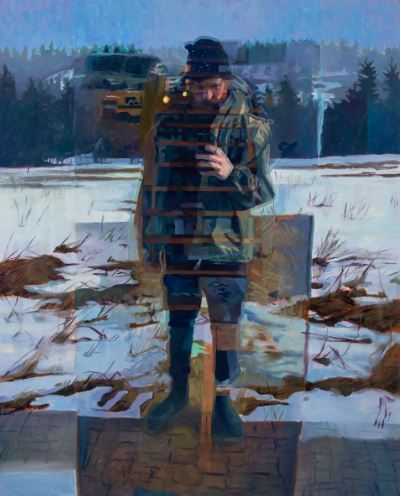
In this new painting, a woman stands in the open hush of a snow-covered landscape, her gaze steady beneath the warm shelter of a fur hat. Behind her, the sky burns in a late-day flare of orange, as if the sun has cracked the horizon and spilled its final breath of light across a ridge of deep blue mountains.

Canada Goose Painting

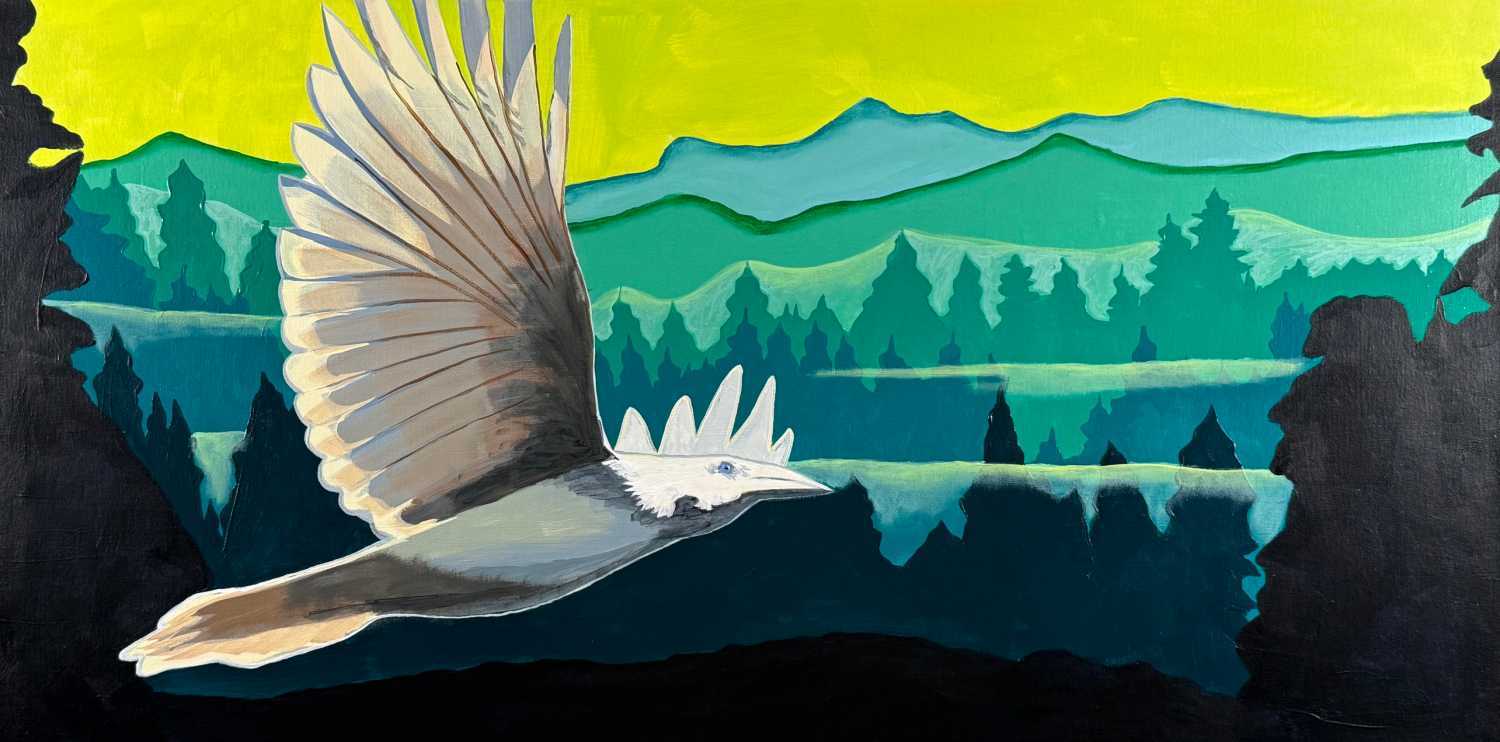
Northern Messenger – 18×36 inches, acrylic on canvas, 2025 – Brandy Saturley

A Canada Goose cuts across her face in full flight, its wing sweeping through the scene like a living brushstroke. It becomes an envoy, sliding the wild world directly into her line of sight, binding her to the land and to the long migratory stories carried on beating wings. Her embroidered coat glows with reds and blues, a pulse of northern life against the winter quiet.

Canada Goose Painting

The painting settles into something part portrait and part vision: a moment where human presence and the instinctive rhythm of nature align in brief, luminous agreement. The goose becomes the messenger, the woman the witness, and the landscape a silent accomplice to their shared moment of connection.

Inside Brandy Saturley Studio – Parksville, Canada

The Art of Winter: Why Canadian Winter Paintings Matter

Winter is more than a season in Canada, it is a defining force, a shared experience, and a kind of national language spoken through crisp breath, long shadows, and the sound of snow underfoot. For generations, Canadian artists have looked to winter not merely as subject matter, but as a mirror of who we are. From the Group of Seven’s frozen lakes to contemporary landscapes shaped by climate shifts and personal memory, winter paintings occupy a central place in the story of Canadian art.

Over the years, I have returned to winter again and again in my own paintings; quiet days dusted with snow, children skating on ponds, the muffled hush of a trail after a fresh snowfall, that feeling of being held by nature and humbled by it at the same time. These works are not simply depictions of cold weather; they are meditations on solitude, community, resilience, and joy.

The Art of Winter

Glide Away – 36×48, acrylic on canvas, 2023 – Brandy Saturley

Winter as Identity – The Art of Winter

In Canada, winter doesn’t just arrive – it settles in, shapes schedules, alters moods, and reshapes the world around us for months at a time. It has a way of making us more introspective. It tests our patience and rewards our willingness to slow down. It heightens our sense of resourcefulness and reminds us of our instinct to gather close, whether around a fire, at a rink, or with a cup of something warm.

It’s no surprise, then, that winter has become one of the strongest visual archetypes in Canadian art. Winter scenes allow artists to explore:

  • Light and shadow: the blue hour stretching across a snowy field, the warm glow of windows against a dark night.

  • Texture: the softness of fresh snowfall versus the sharp, crystalline edges of ice.

  • Colour: subtle pinks, purples, greys, and blues that only appear when the landscape is covered in white.

  • Emotion: the peacefulness of snowfall, the energy of a skating pond, the quiet of early mornings.

The Art of Winter

Last One Out – 24×30, acrylic on canvas, 2024 – Brandy Saturley

A Tradition Carried Forward

Historically, Canadian winter paintings have served as a way to document the realities of life in a northern climate. Today, they also capture nostalgia – a longing for the simplicity of childhood winters – and record the changing nature of our relationship to the land as seasons shift.

My own winter paintings are often rooted in memory. The scratch of blades on pond ice. A red toque against a snow-laden sky. The rhythmic movement of children skating in arcs. A single figure walking through a landscape softened by snowfall. These images carry a distinctly Canadian rhythm, one that feels universal across provinces and generations.

By painting winter, I’m contributing to a legacy that speaks to place, identity, and belonging – an ongoing conversation about what it means to love and endure the season that so profoundly shapes our lives.

Minnewanka Muse – 12×24, acrylic on canvas, 2024 – Brandy Saturley

Why Winter Paintings Matter Now

In a time when the climate is changing and winters are becoming less predictable, winter paintings also take on new meaning. They become records. They become reminders. They become tributes to a season that has shaped our collective imagination.

For many viewers, winter art evokes feelings of comfort, nostalgia, and connection. It invites people to pause and remember the beauty in what can often feel heavy or challenging. It acknowledges the emotional landscape of winter as much as the physical one.

The Art of Winter

Under A Borealis Sky – 24×36, acrylic on canvas, 2011 – Brandy Saturley

A Celebration of the Season

Painting winter allows us to see the extraordinary in the ordinary; the way snow transforms familiar streets, the beauty of a frozen lake, the sense of community gathered at a local rink, the quiet magic of a snowfall at dusk.

Canadian winter paintings endure because they capture something essential: our ongoing relationship with the land, our resilience, and our capacity to find beauty even in the coldest of seasons.

As I continue to explore winter in my work, I’m reminded that these paintings are, in many ways, love letters to Canada, to memory, and to the small moments that define our experiences of winter.

Rocky Mountains Higher – 36×48, acrylic on canvas, 2023 – Brandy Saturley

A Totem to The Stars – An Inukshuk Painting

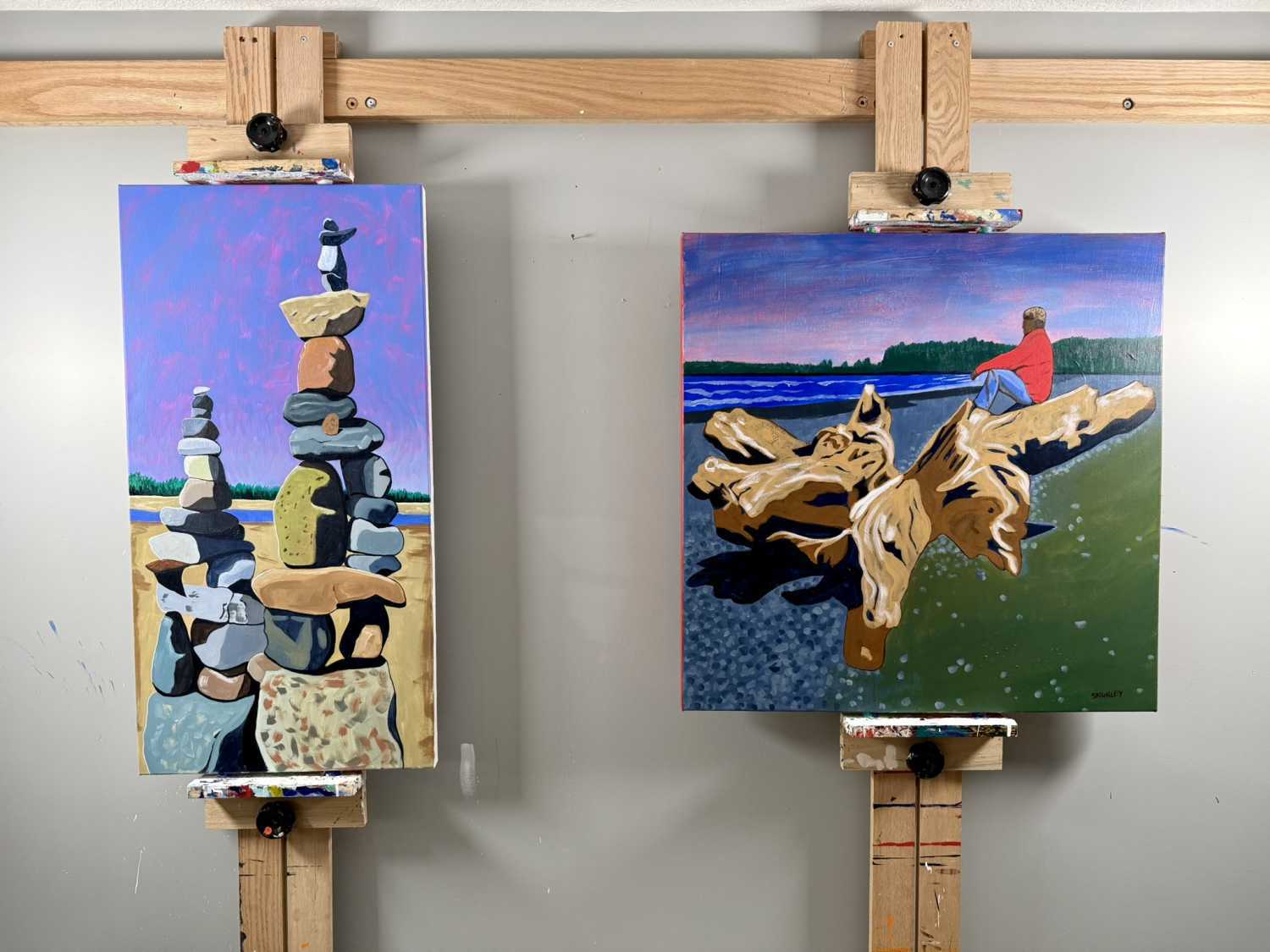
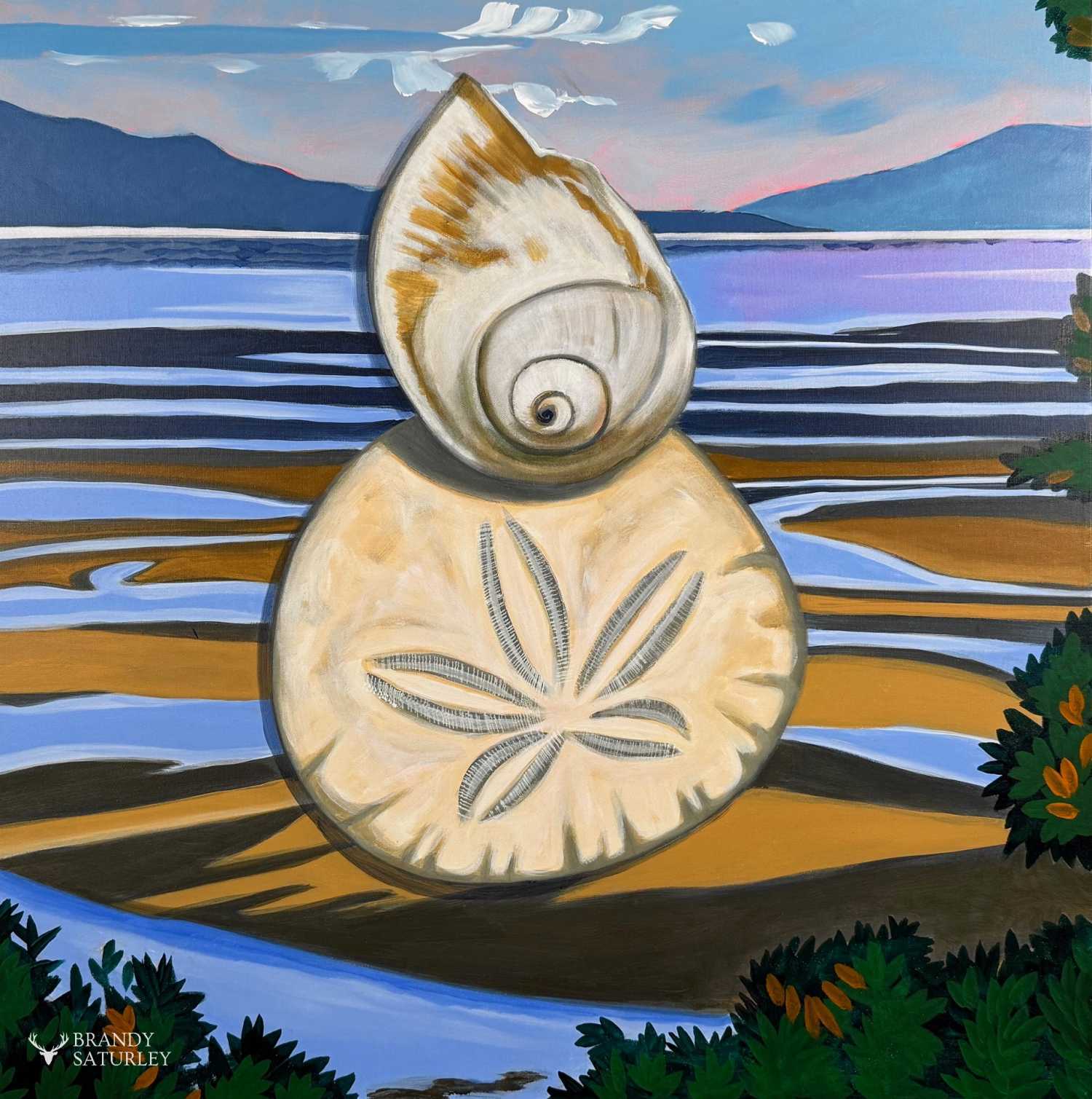
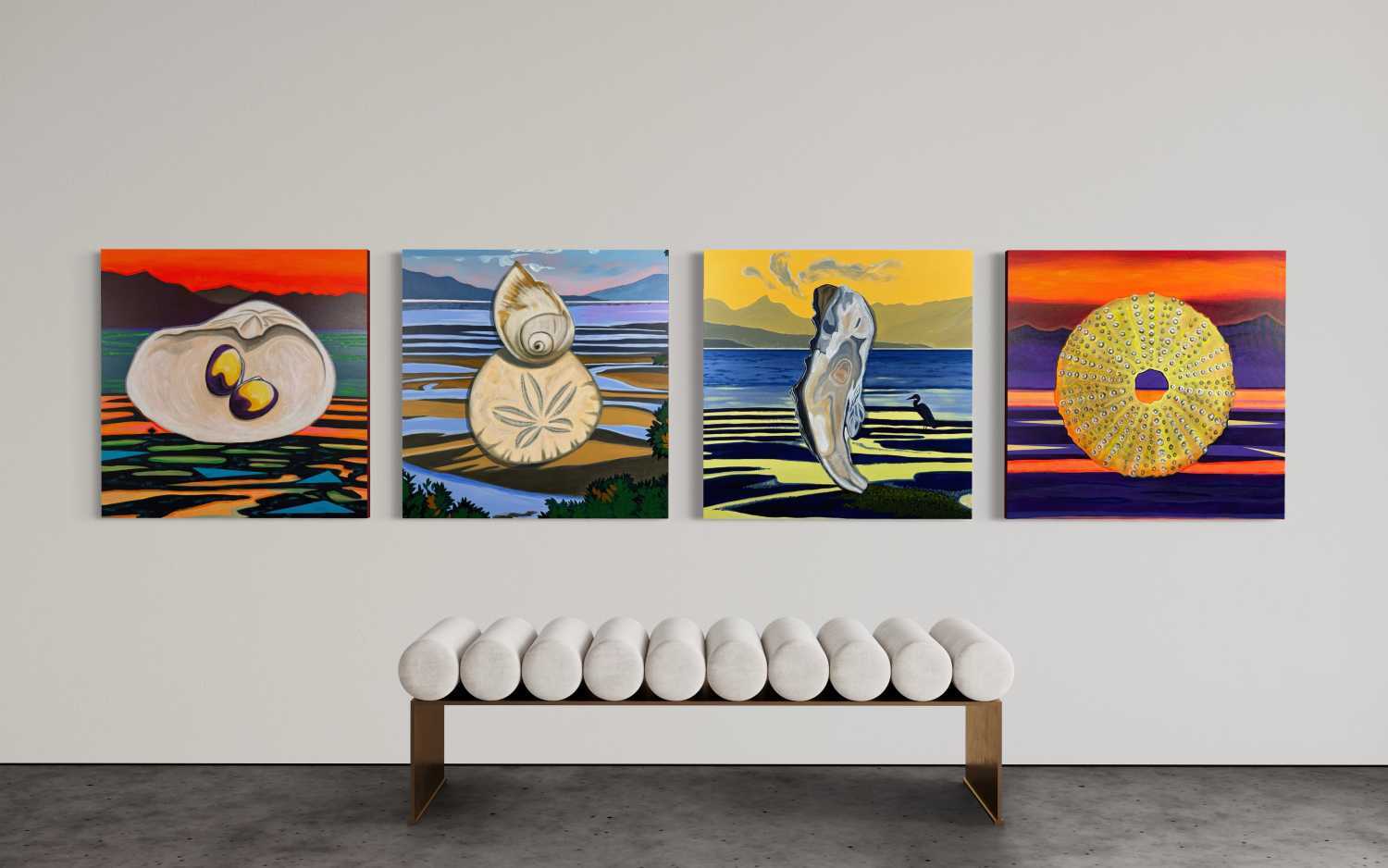
It is no secret by now that I have been painting stories of west coast beaches this Autumn. The treasures that line the sand and the structures built from beach things by human hands. I have been making paintings about shells, beach huts, Inukshuk and being in these landscapes.

Shell Still Life Paintings – Brandy Saturley – 2025

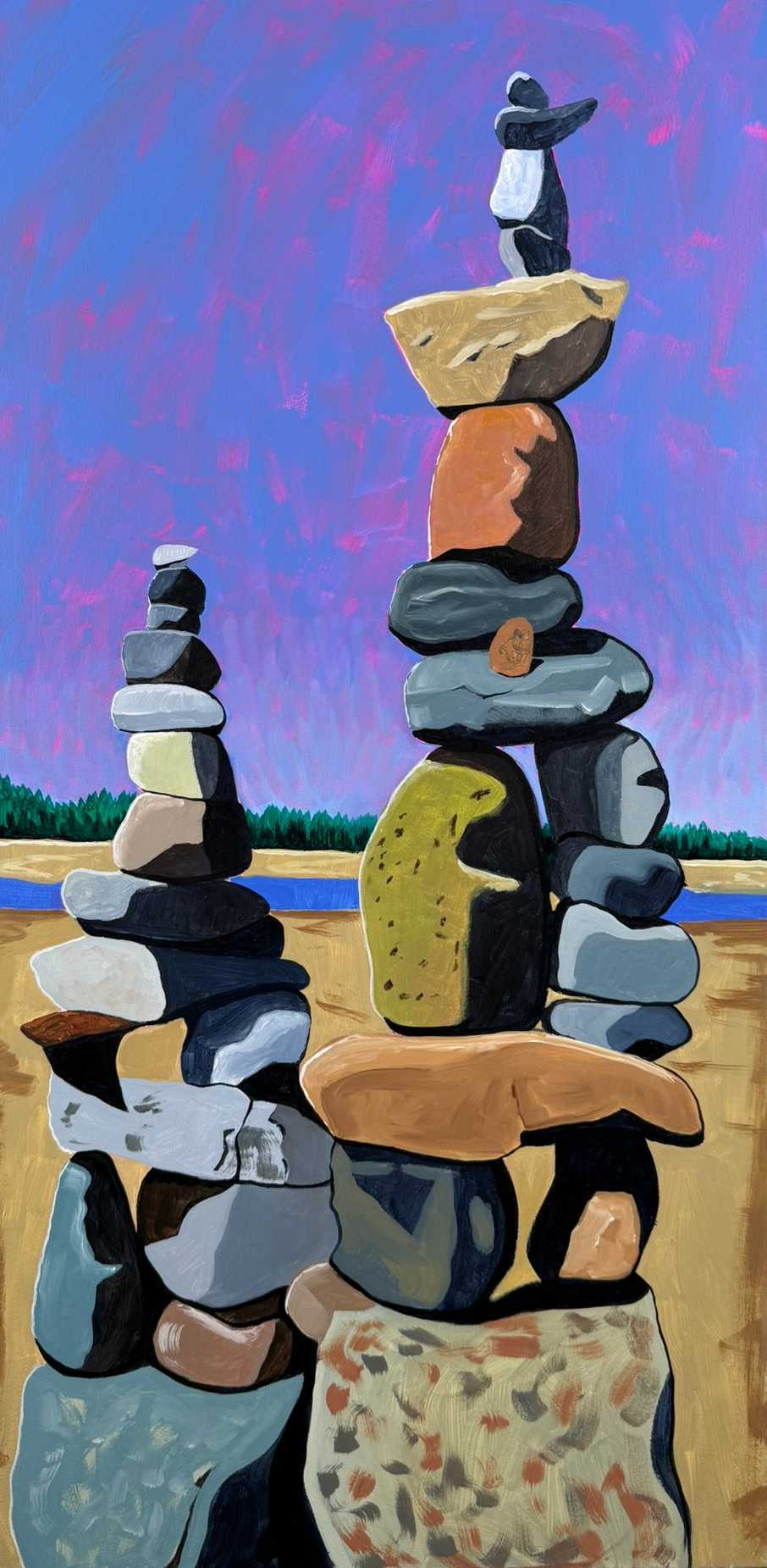
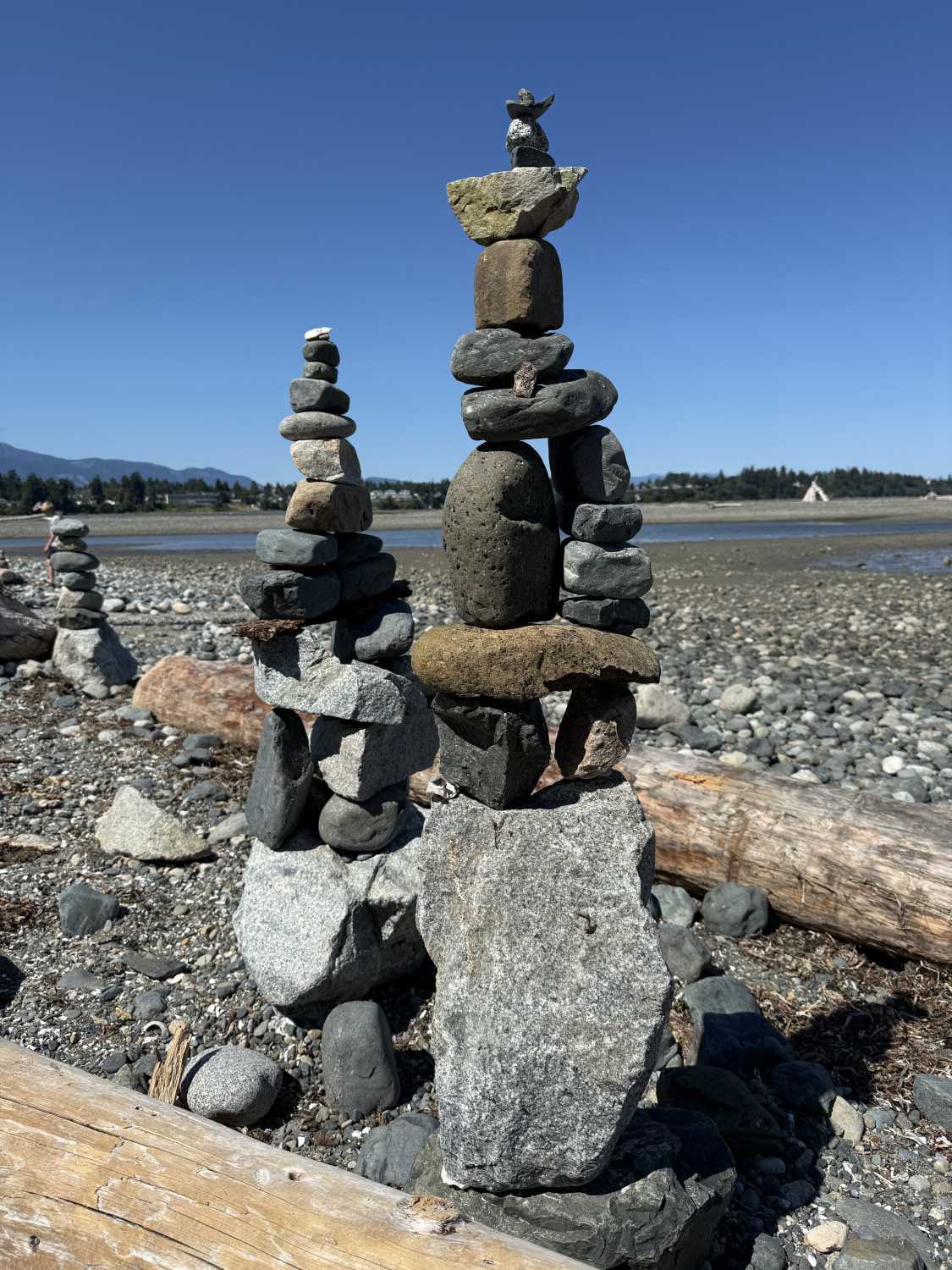
With this most recent painting I wanted to capture the aura of the rock stacks seen on the beaches. Here on Vancouver Island you will see these totems of balanced rocks at the corners of the beaches. Sometimes balanced on rock and other times balanced on logs. Know as Inukshuk, these towers come with rocks of various sizes and shapes and are skillfully built into delicately balanced towers to the sky.  Inukshuk is a figure made of piled stones or boulders constructed to communicate with humans throughout the Arctic. Traditionally constructed by the Inuit, inuksuit are integral to Inuit culture and are often intertwined with representations of Canada and the North.

Inukshuk in Parksville, BC – 2025

This vibrant acrylic painting features an inuksuk rendered in bold, sculptural layers of stone, each shape carefully balanced to form a vertical figure rising from a rugged landscape. The stones are painted in warm earth tones – soft creams, deep charcoals, russet reds, and weathered greys – giving the structure a grounded, tactile presence. Behind it, the sky glows with a rich blend of ultramarine, violet, and magenta, creating a luminous twilight atmosphere. Flecks of white stars scatter across the sky, lending a sense of vastness and quiet northern magic.

Inukshuk Painting

Totem Song, 36×18, acrylic on canvas, 2025 – Brandy Saturley

The foreground suggests rocky terrain, its textures and contours echoing the layered forms of the inuksuk itself. The contrast between the solid, ancient stones and the dreamlike celestial backdrop creates a powerful tension between earth and sky, permanence and wonder. The painting captures the symbolism of the inuksuk as both a guide and a marker of presence – a beacon of human connection within the expansive Canadian landscape.

Inukshuk Painting

Inukshuk painting on an entry wall.

2025 Art in Review

As I look back on 2025, I’m struck by the momentum, travel, and creative expansion that shaped this year. From major exhibitions and artist residencies to new publications, commissions, and cross-Canada collaborations, it has been a year defined by movement, storytelling, and deep engagement with place. Here is my 2025 Art in review on a remarkable year in the studio and on the road.
January — Boston, USA

2025 Art in Review

The Art of Brandy Saturley at Winteractive Boston, 2025

The year began with an invitation to present my mural work at Boston’s WINTERACTIVE festival. Now in its second year, the outdoor art celebration brought together public artworks and interactive installations across 17 sites, presented by the Downtown Boston Alliance. Participating in this event reaffirmed my commitment to bringing art into public space and engaging audiences of all ages.
February — Painting Canada Book Release

2025 Art in Review

Book Release – Painting Canada by Brandy Saturley, 2025

February marked the publication of Painting Canada, a 112-page book spanning nearly two decades of my work. The book traces my evolution as a painter and storyteller, exploring how Canadian culture, landscape, and collective identity shape my artistic voice.

March — Waterton Lakes, Alberta

Paintings of Waterton Lakes National Park by Brandy Saturley

In March, I created a suite of landscape paintings for Gust Gallery in Waterton Lakes National Park. These five works honour the park’s dramatic scenery, wildlife, flora, and fauna. I also began preparing artwork and research materials for my upcoming April residency in Newfoundland.

April — Residency in Newfoundland

2025 Art in Review

Artist in Residence at Pouch Cove Foundation, Newfoundland Canada

April took me to Newfoundland for a residency at the Pouch Cove Foundation. During my time on the rugged Atlantic coast, I created five new paintings that later appeared in my solo exhibition Newfoundland Impressions. The month also included the official book launch for Painting Canada.

May — Polar Bear Kings Return in Banff

Polar Bear and Moose Paintings

Back in the studio in May, I created a new series of small “Polar Bear King” paintings for Willock & Sax Gallery in Banff, Alberta. This collection introduced a new character, a moose, expanding the narrative world of the polar bear king and adding a new layer of playfulness and symbolism.

2025 Art in Review: June — Digital Display in Toronto

digital art installation toronto

Brandy Saturley @ 2 Bloor West

In June, my artwork lit up Toronto on a large-scale LED billboard at 2 Bloor West, bringing contemporary Canadian iconography into the heart of the city.

July — Fundraiser & New Commission – Canada Day feature

Public Art in Toronto

The digital display continued through July. I also completed a painting for the ArtAttack fundraiser at Miller Art Gallery in Edmonton and began work on a special commission for The Tragically Hip—an exciting creative milestone. On Canada Day Willock & Sax Gallery in Banff featured my new polar bear king paintings.

August — Five New Works & Studio Pack-Up

August brought five new small paintings and the start of a major transition as I packed up my studio in preparation for a move.

September — New Studio in Parksville

2025 Art in Review

Brandy Saturley Studio – Parksville, BC

In September, I relocated to Parksville on Vancouver Island and set up my new studio. With the beach only steps away, the landscape immediately began to influence my work.

October — A New Coastal Series

Macdonald Realty calendar by Brandy Saturley

October marked the beginning of a new series of paintings inspired by the beaches and rhythms of Parksville. I also collaborated with Macdonald Realty on a calendar project and shipped new paintings to Edmonton for my November exhibition.

November — Remembrance Day Display & Solo Show Opening

2025 Art in Review

Brandy Saturley signing prints for The Tragically Hip Poster Cellar at Mitchell Press – Burnaby, BC

My Remembrance Day digital artwork appeared on the 2 Bloor West LED billboard once again this year. I also travelled to Vancouver to sign 175 limited-edition prints with Mitchell Press for The Tragically Hip Poster Cellar Strictly Limited Series. The month concluded with the opening of my solo exhibition The Wild Life at Miller Art Gallery in Edmonton.

I licensed an image of my Rundle mountain painting to the Canadian Journal of Rural Medicine for the cover of their Fall 2025 issue.

December — Closing the Year With a West Coast Focus

Brandy Saturley at Miller Art Gallery

The Wild Life by Brandy Saturley at Miller Art Gallery – Edmonton, Alberta

I wrapped up the year by completing a new series of eight beach- and West Coast-inspired paintings. Miller Art Gallery hosts a Curators Talk supporting The Wild Life, a fitting way to reflect on a year of creative exploration and national engagement.

Visited a West Coast Beach? You’ve Seen a Beach House

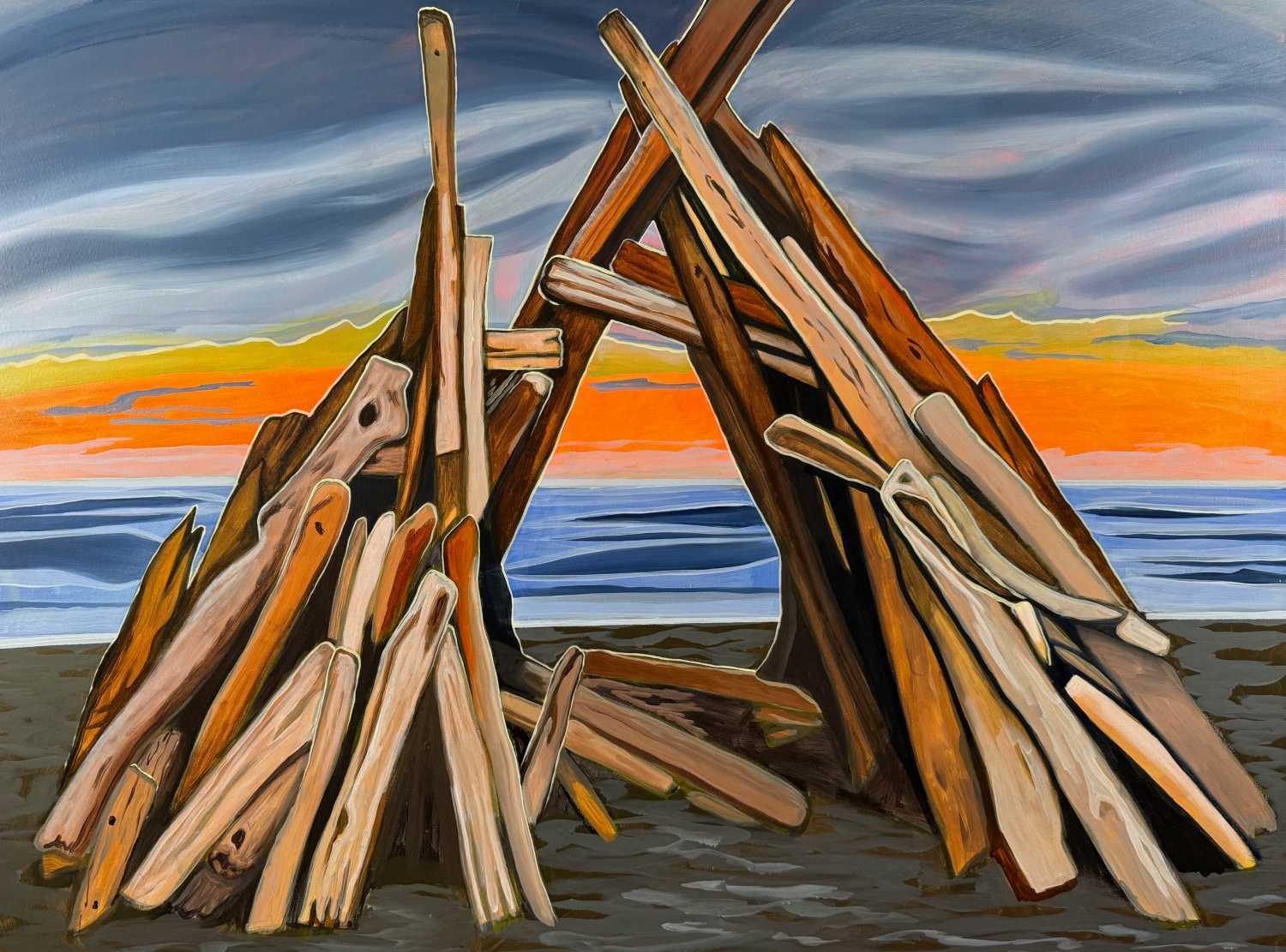
When I was young, I spent countless hours roaming the beaches of Canada’s West Coast on Vancouver Island, searching for treasures. We would beachcomb in wind, rain, and even sweltering summer heat, nothing could stop us from the thrill of discovery. Shells, driftwood, smooth stones, and strands of kelp filled our buckets and pockets. We built makeshift structures in the sand and decorated our little dwellings with every shiny or unusual object we found.

A log structure on the beach in Parksville, BC Canada

If you’ve ever visited the West Coast – whether the beaches of Vancouver Island or the rugged shorelines of Washington, Oregon, or California – you’ve likely encountered the iconic “beach house.”

These driftwood structures dot the coastline in all shapes and sizes. Built by leaning and stacking logs into teepee-like forms, they are part sculpture, part shelter, part childhood dream. Some are small and humble; others are substantial enough to withstand years of storms and tides. Many of the logs glow with the warm tones of yellow cedar, slowly weathering to soft silvers and greys as salt air and sun sculpt their surfaces.

These beach houses offer sun-seekers a place to rest in the shade, and give children the perfect canvas to build their own dream home from nature’s materials. Since my recent move to Parksville, a true beach town on mid-Vancouver Island, I’ve felt a renewed connection to these familiar coastal forms. Here, the beach houses feel almost like local landmarks, each one telling a different story of tide, time, and community creativity.

Beach House, 36×48 inches, acrylic on canvas, 2025 – Brandy Saturley

My new painting celebrates these driftwood beach houses and the enduring presence they hold on West Coast shores. They are temporary, handmade, and shaped by both nature and imagination – just like so many of the stories that define life by the sea.

The Power of Experiencing Art in Person

Over the years, virtual exhibitions have become a major part of how art is shared with the world. Nearly a decade ago, I was experimenting with online 3-D gallery spaces, curious about how technology might expand the reach of my work. These digital shows offered convenience and accessibility, and they certainly had their moment. But after recently opening a new solo exhibition at a Canadian art gallery, I’ve been reminded – very clearly – why live, in-person exhibitions continue to hold an essential place in the art world. The Power of Art in person is palpable.

The Wild Life at Miller Art Gallery – Edmonton – Brandy Saturley

Art Needs Space, Light, and Presence

A painting is not just an image. It’s a physical object with texture, scale, and subtle shifts that can only be understood when you stand in front of it. The thickness of the paint, the edges of the canvas, the way colours respond to natural or gallery lighting, these details disappear when artwork is translated into pixels.

In-person, a piece has a presence that simply can’t be conveyed through a screen. Viewers move around the work. They experience its size. They absorb its atmosphere. These sensory elements are part of the story, and they’re lost in a virtual setting.

iconic canadian art

#ICONICCANUCK at CARFAC Alberta – Brandy Saturley

A Rare Opportunity for Artists to Witness Their Audience

Creating artwork is an incredibly solitary process. Much of the time, it’s just the artist, the canvas, and the quiet. Live exhibitions offer one of the only opportunities to step outside that solitude and see how people actually respond to the work.

Watching visitors engage with the paintings – seeing which pieces they spend time with, the angles they lean in from, the conversations they start – provides insight that no online platform can offer. It becomes a feedback loop, a source of inspiration, and a reminder of why the work matters.

Power Art in Person

Newfoundland Impressions – James Baird Gallery – Newfoundland – Brandy Saturley

Power Art in Person: The Human Element That Digital Can’t Replace

Art brings people together. A gallery setting naturally creates dialogue, connection, and shared experience. People who may never otherwise meet find themselves standing side-by-side, interpreting the same piece through their own lens.

In a digital world that moves fast and often feels fragmented, a gallery becomes a slower, more intentional space. It invites presence. It gives the work room to breathe, and gives viewers the opportunity to breathe with it.

Art Opening in Newfoundland

Newfoundland Impressions – James Baird Gallery – Newfoundland – Brandy Saturley

Why I Still Believe in Showing Work Live

While virtual exhibitions will always have a place, especially for their accessibility, there is something irreplaceable about presenting art physically. The atmosphere of an opening, the conversations with collectors, the energy in the room, and the authentic, unfiltered reactions from viewers, these are essential parts of my practice.

After experiencing my recent gallery opening, I’m more convinced than ever that live exhibitions aren’t just important; they’re vital. They remind us that art is a dialogue, not just a digital experience. They bring back the human connection that fuels creativity and keeps the work evolving.

In an increasingly digital age, showing art live remains a powerful way to connect, communicate, and celebrate the creative process.

Power Art in Person

What is an image? Royal College of Art, London UK – Brandy Saturley

Painting Gift Shop: My Collaboration with The Tragically Hip’s Poster Cellar Series

Every quarter, The Tragically Hip commission a different artist to create a poster for their Strictly Limited Poster Cellar Series. Each poster reimagines a single Hip song through the eyes of a visual artist, an incredible opportunity to translate some of Canada’s most beloved music into visual storytelling.

With 233 songs across 13 studio albums, The Hip’s catalogue offers a deep well of inspiration. Their poetic, often cinematic lyrics make it easy for imagery to take root and grow. For my own collaboration, I chose one of the band’s most iconic track: “Gift Shop.”

Tragically Hip Poster Cellar

Why “Gift Shop”?

The beautiful lull
The dangerous tug
We get to feel small
From high up above…

These evocative lyrics immediately set my imagination in motion. I played the song on repeat in my studio, jotting down every visual that surfaced; symbols of Canadiana, emotional beats, and images echoing the tone of the music.

Colour blocking a painting

Developing the Concept

Once the ideas were on paper, I began shaping them into a cohesive composition. The final concept included:

  • Canada Geese in flight

  • A pendulum suspended above a glowing sunset

  • A sweeping valley and mountain peaks, capturing that “view from the top”

  • A Canadian couple wearing red toques, hand in hand

  • A quiet nod to the band’s identity through plaid iconography

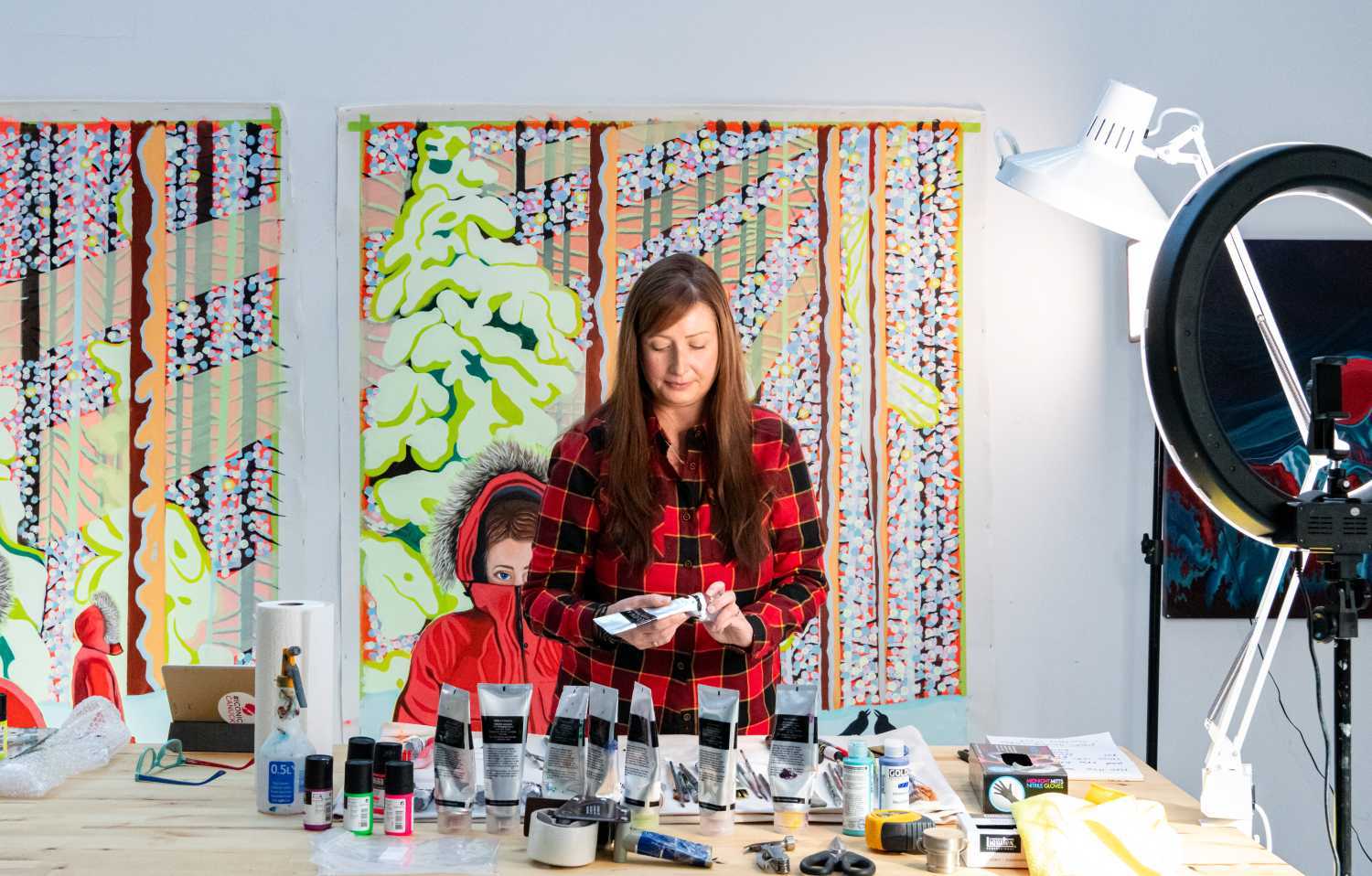
With the composition finalized, I transferred the drawing onto canvas, laid in an underpainting, and began colour-blocking. From there, the painting slowly took on depth, texture, and light – layer by layer, until it was ready for varnish.

Behind the scenes: creating a painting for The Tragically Hip – Brandy Saturley Studio

Preparing the Artwork for Print

Once the painting was fully dry, I photographed it in RAW format for the highest colour accuracy and detail. The digital file was then sent to the band’s agency, where they added a subtle yet meaningful detail: The Tragically Hip’s gargoyle logo on the back of the man’s plaid shirt.

The artwork was sent to the printer next, where an edition of 175 limited-edition prints was produced. I travelled to Vancouver to sign and number each one by hand, always a special moment in the lifecycle of any artwork.

Tragically Hip Poster Cellar

Brandy Saturley signing prints at Mitchell Press in Burnaby, Canada

Tragically Hip Poster Cellar: Limited Edition Prints Now Available

I’m thrilled to share that the Gift Shop limited-edition poster is now available through The Tragically Hip’s official website. This series sells out quickly, so if you’re a collector or a fan of the band, now is the time.

Get one while they last!

Tragically Hip Poster Cellar

The original painting is also available for sale through the Miller Art Gallery – all proceeds go towards supporting the gallery programming and the Peck Visual Arts Program.

Commission For The Tragically Hip