
Insider Tips: How to Care for Your Art Collection
Buying an original painting can come with questions: Where should I hang it? How do I clean it? What happens if the canvas becomes loose? How do I protect an important piece in my collection? How do you care for your Art Collection?
The good news is that original artwork is surprisingly easy to care for when you follow a few simple guidelines.
As an artist, I believe part of my job is helping collectors feel confident about living with original art. A painting is meant to be seen, enjoyed and shared. While valuable artwork deserves thoughtful care, there is no need to be afraid of hanging an original painting in your home, office or collection.
Paintings on canvas can remain beautiful for generations when they are displayed in a stable environment, handled carefully and protected from excessive light, moisture, heat and physical damage.
Here are some of my insider tips for keeping your artwork looking its best.

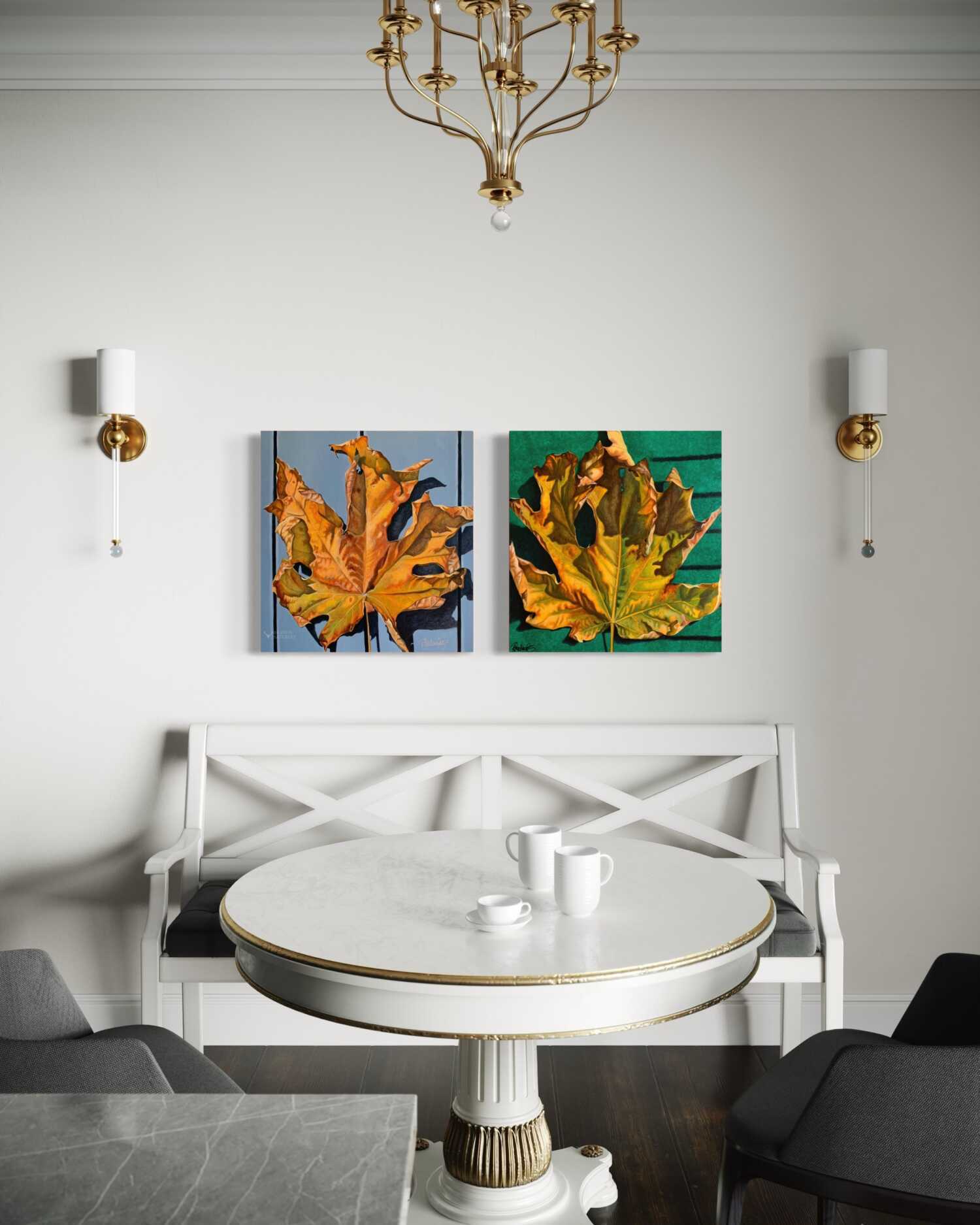
Commissioned painting in home.
1. Choose the Right Place to Hang Your Painting
Location matters.
Paintings are made from a combination of materials, including pigments, binders, grounds, canvas and sometimes varnishes. These materials respond to their surrounding environment, so the best location is one where temperature, humidity and light remain reasonably stable.
Avoid hanging artwork:
- In direct sunlight
- Directly above a fireplace or radiator
- Beside heating or cooling vents
- On a wall exposed to significant temperature fluctuations
- In damp areas such as bathrooms
- In kitchens where grease, steam and airborne cooking particles can accumulate
- In areas where the painting is likely to be bumped, touched or splashed
Direct sunlight is particularly important to avoid. Even pigments that are highly lightfast can eventually change with prolonged exposure to light, and light damage cannot be reversed. The Canadian Conservation Institute recommends avoiding direct sunlight and keeping prolonged light exposure as low as practical.
For most homes, a comfortable and relatively stable environment is ideal. As a general conservation guideline, paintings are best kept around 40–60% relative humidity, while avoiding rapid fluctuations.
A little common sense goes a long way: if a location would be uncomfortable for you, it probably isn’t the best place for your artwork either.

2. Handle Artwork With Care
The less you handle an original painting, the better.
When moving a painting, hold it securely from both sides of the frame or stretcher, rather than touching the painted surface. Clean hands are important, but gloves can be useful when handling unframed artwork because natural oils from our fingers can transfer to vulnerable surfaces.
Never press against the back of a stretched canvas. Even a small amount of pressure from a sharp object, furniture edge or other protrusion can distort the canvas or create a permanent mark.
If you need to temporarily place a canvas painting somewhere, make sure the surface is clean, level and free of anything that could press against the front or back of the artwork.
When moving or transporting valuable artwork, protect it from:
- Extreme heat or cold
- Sudden temperature changes
- Moisture
- Impact and vibration
- Pressure against the painted surface
This is especially important during Canadian winters. Paintings can become more brittle in very dry or cold conditions, making them more vulnerable to damage during handling and transport.
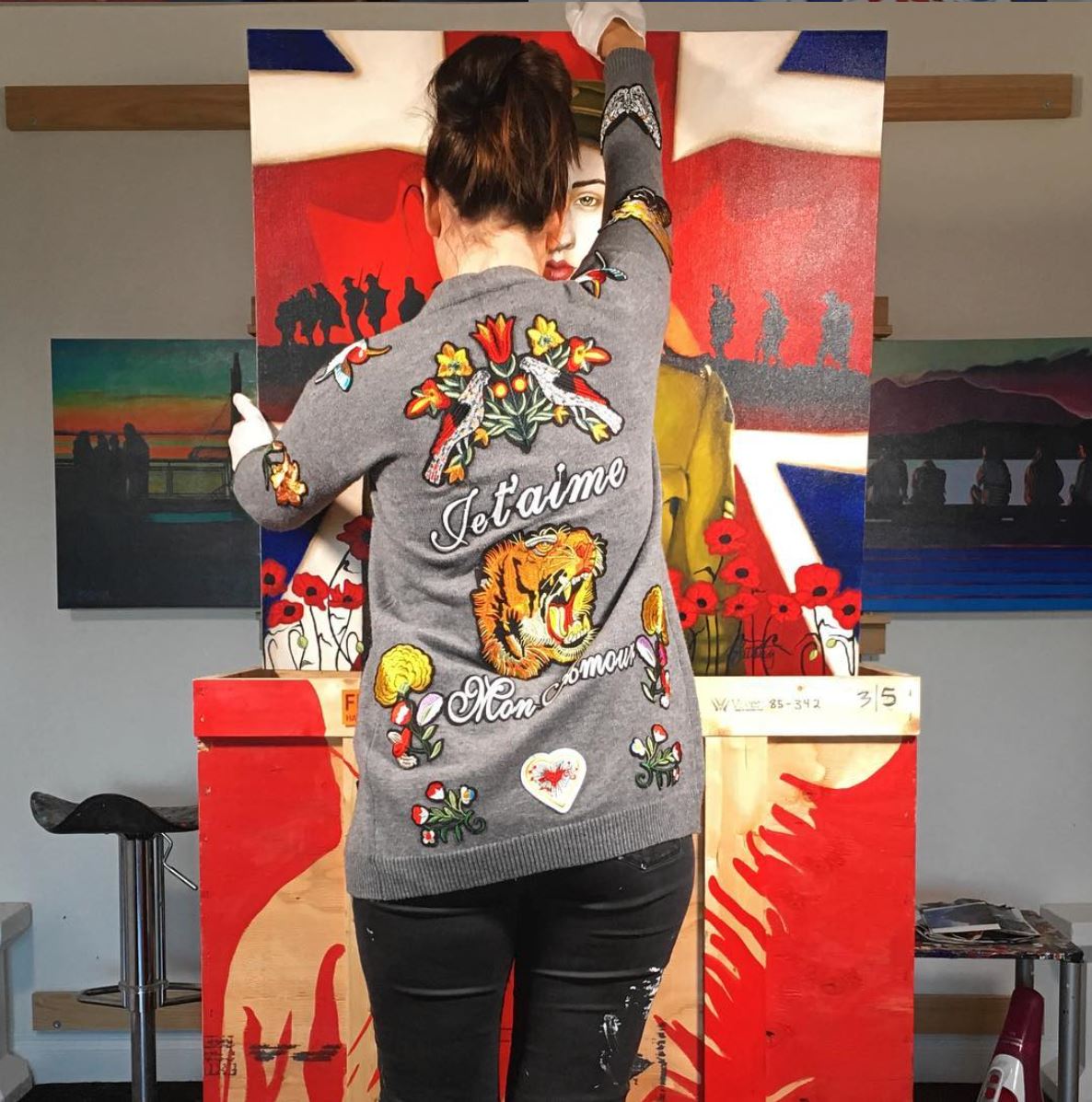
3. Be Careful When Cleaning Your Painting
This is one area where I recommend less is more.
It can be tempting to wipe away dust from a painting, but the surface of an original artwork can be more delicate than it appears. Raised paint, textured surfaces and tiny areas of lifting paint can be damaged by cloths, brushes, feather dusters or other cleaning methods. The Canadian Conservation Institute specifically cautions against using dry or damp dust cloths, stiff brushes or feather dusters directly on painting surfaces.
Do not use household cleaners, solvents, oils, sprays or water directly on an original painting.
In particular, I would not recommend attempting to clean an acrylic or oil painting with a damp cloth or soapy water. Contemporary acrylic surfaces can be particularly sensitive to cleaning, and even apparently gentle water-based solutions can cause damage or pigment loss.
If your painting has accumulated noticeable dirt, smoke residue or grime, the safest approach is to consult a professional art conservator.
This is particularly important if you notice:
- Flaking or lifting paint
- Cracks that appear to be changing
- A loose or distorted canvas
- Discolouration
- Water damage
- A damaged varnish
- Marks or stains that cannot be removed with ordinary dusting
When in doubt, don’t experiment on the artwork. A professional conservator can assess the materials and condition of the painting and determine the safest treatment.
Care For Your Art Collection: What about dust?
For paintings protected by glazing, such as glass or acrylic glazing, the glazing provides an important layer of protection from dust and airborne contaminants.
For an unglazed painting, I recommend avoiding aggressive dusting. If you are concerned about accumulated dust, contact the artist or a professional conservator before attempting to clean the surface yourself.
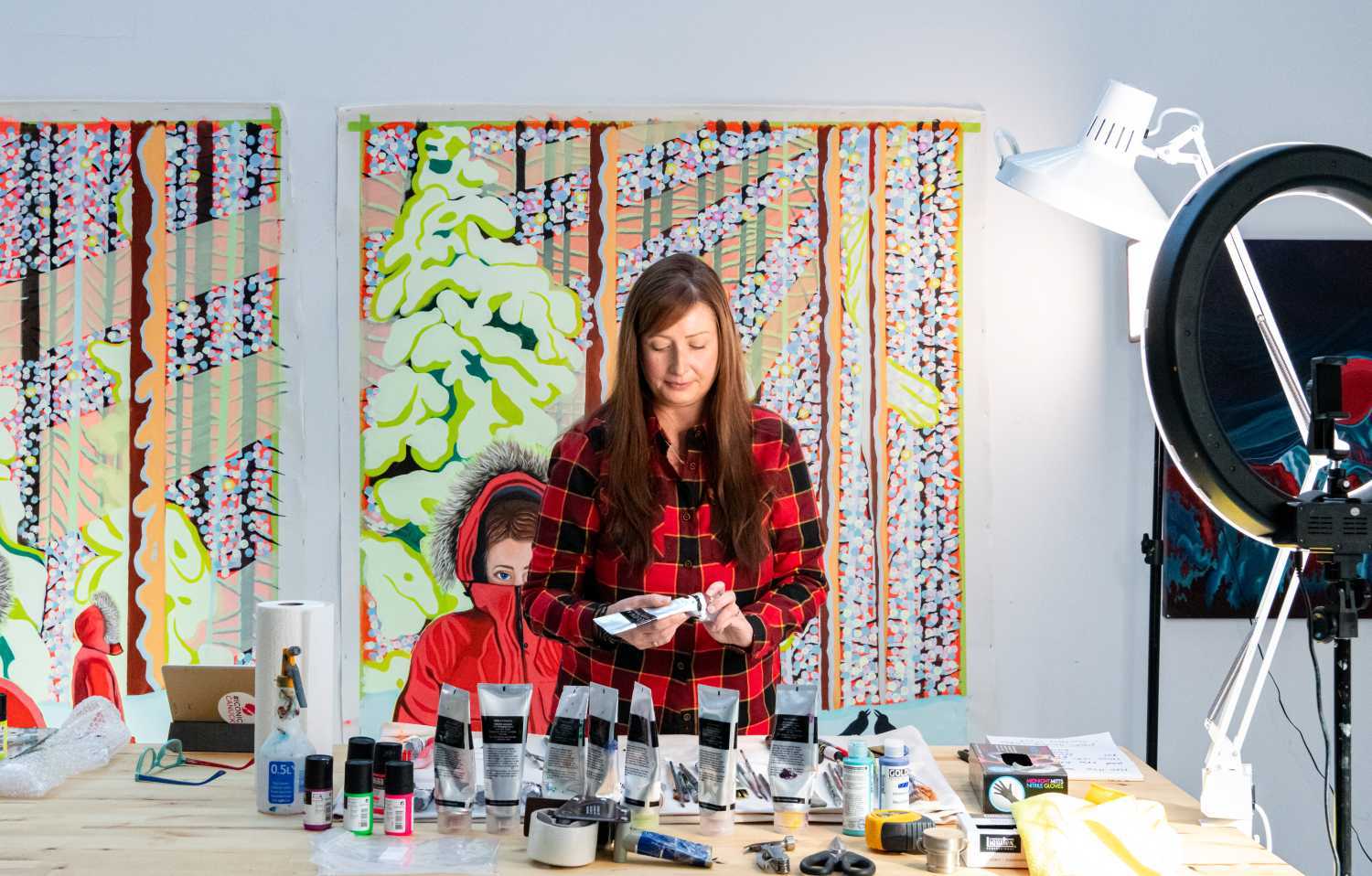
4. Keep an Eye on the Canvas
Over time, a stretched canvas can naturally change tension. You may occasionally notice that a canvas feels slightly looser than when it was first installed.
This is not necessarily cause for alarm.
Do not spray water onto the back of the canvas or attempt to tighten it yourself. Older advice sometimes recommends using moisture or sunlight to tighten a loose canvas, but conservation guidance warns against introducing moisture or making adjustments that can place additional stress on the paint layers.
If your canvas becomes noticeably loose, rippled or distorted, contact the artist or a qualified art conservator. In many cases, the issue can be assessed and corrected safely.
Likewise, if you notice a tear, puncture or other structural damage, avoid trying to repair it yourself. Early professional attention can prevent a small problem from becoming a much larger one.

5. Protect Your Art From Smoke, Moisture and Pollutants
Paintings absorb the environment around them over time.
Smoke from cigarettes, fireplaces and candles, cooking grease, dust and other airborne pollutants can gradually accumulate on a painting’s surface. Kitchens, fireplaces and areas with significant airborne contaminants therefore aren’t ideal locations for valuable unglazed artwork.
Moisture is another concern. Avoid placing artwork where it may encounter condensation, persistent dampness or water splashes. High humidity can also encourage mould growth, particularly on the reverse of a canvas where air circulation is limited.
If you live in a region with significant seasonal changes, including the Canadian West Coast, maintaining a reasonably stable indoor environment is one of the best things you can do for a collection.
6. Think About Security
Don’t let the value of an artwork stop you from enjoying it.
If you love a painting, hang it somewhere you can see it and live with it. For higher-value pieces, however, it makes sense to think about both physical security and insurance.
Professional hanging systems can provide additional security, particularly in public spaces, offices, hotels and commercial environments. For significant collections, specialized art-security systems, alarms, cameras and environmental monitoring may also be appropriate.
I take security seriously in my own studio and home, with systems that allow me to monitor the space remotely. For collectors, the right level of security will depend on the value of the collection, the location and the surrounding environment.
And don’t forget insurance.
Your homeowner’s or business insurance policy may have specific limits or requirements for valuable artwork. For significant purchases, speak with your insurer or an art-insurance specialist about appropriate coverage, documentation and appraisal requirements.
7. Keep Your Artwork Documentation
One of the simplest things you can do for your collection is to keep good records.
For each original artwork, keep:
- The artist’s name
- Title of the artwork
- Date created
- Medium and dimensions
- Purchase receipt or invoice
- Certificate of authenticity, if provided
- Installation or framing information
- Photographs of the artwork
- Any appraisal or insurance documentation
- Records of professional conservation or restoration
For larger collections, a simple digital inventory can be invaluable.
It makes insurance, valuation, estate planning, resale and future conservation much easier.
8. Enjoy Your Art
Perhaps the most important piece of advice is this:
Enjoy your artwork.
Original art is not meant to live permanently in a box because you’re worried about something happening to it. It is meant to become part of your life.
Hang it where you can see it. Invite friends and family to enjoy it. Let it become part of the story of your home.
A well-cared-for painting can accompany a family for generations, gathering memories without necessarily gathering much maintenance.
And if you ever have a question about caring for a painting you’ve purchased from my studio, please reach out. I believe the relationship between an artist and collector doesn’t end when the painting leaves the studio.
I want you to feel confident living with your artwork for many years to come.
~ The Art of Brandy Saturley

Looking for your next painting?
Original paintings are available through my online gallery, with works ranging from Canadian landscapes and wildlife to contemporary interpretations of Canadian culture and the West Coast.
Browse the collection and find a painting to bring home.