Where Collectors Find Art
Where Are Art Collectors Finding Art Online Today?
One of the questions I hear most often from artists is: “Where do art collectors find Art today?”
It’s an important question because the answer has changed dramatically over the past decade. While galleries remain an essential part of the art world, today’s collectors are discovering artists in far more places than ever before. Recently, I asked a group of active art collectors where they are currently finding art online. Their responses were fascinating, and perhaps not entirely surprising.
Online Marketplaces Still Matter
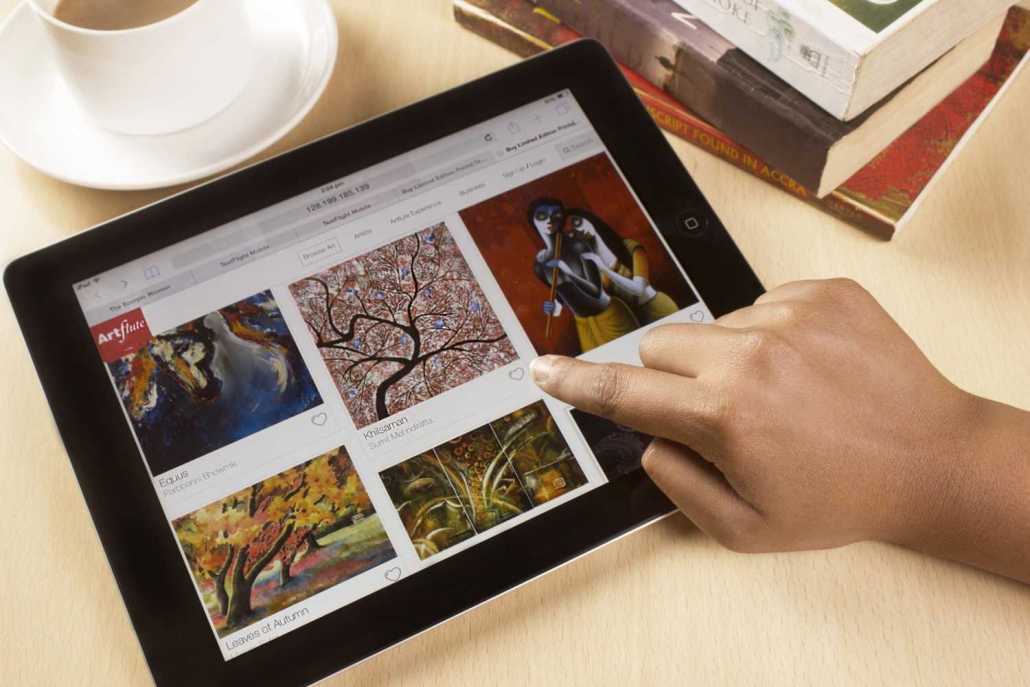
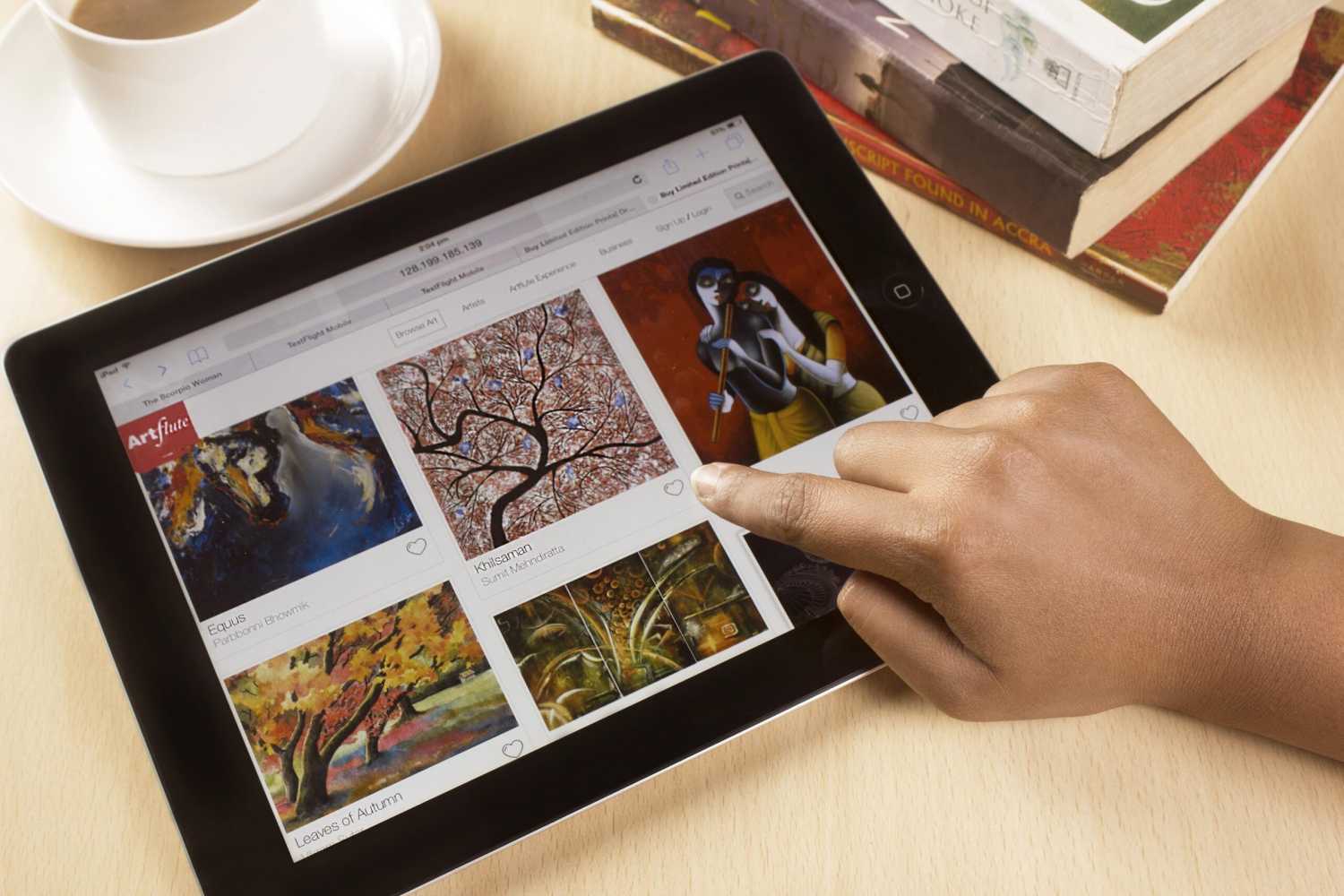
Several collectors mentioned established online marketplaces as their first stop when searching for artwork. Platforms such as Artsy, Artnet, 1stDibs, Saatchi Art, Art Majeur, Invaluable, LiveAuctioneers, and even eBay continue to attract serious buyers.
Each platform serves a slightly different audience. Some specialize in contemporary art, others in secondary market works or antiques, while auction platforms give collectors access to everything from emerging artists to museum-quality pieces.
One collector from South America noted:
“Artsy, 1stDibs and Saatchi Art… Artsy must be great for Americans, but shipping to other parts of the world is absurdly expensive. 1stDibs has the best customer service.”
It was a reminder that the buying experience extends well beyond the artwork itself. Shipping, service, and trust all influence purchasing decisions.
More Collectors Are Buying Directly From Artists
One response stood out because it has become increasingly common.
“The art I’ve bought has been directly from artists’ websites and Instagram.”
This is a trend I’ve noticed myself over the past several years.
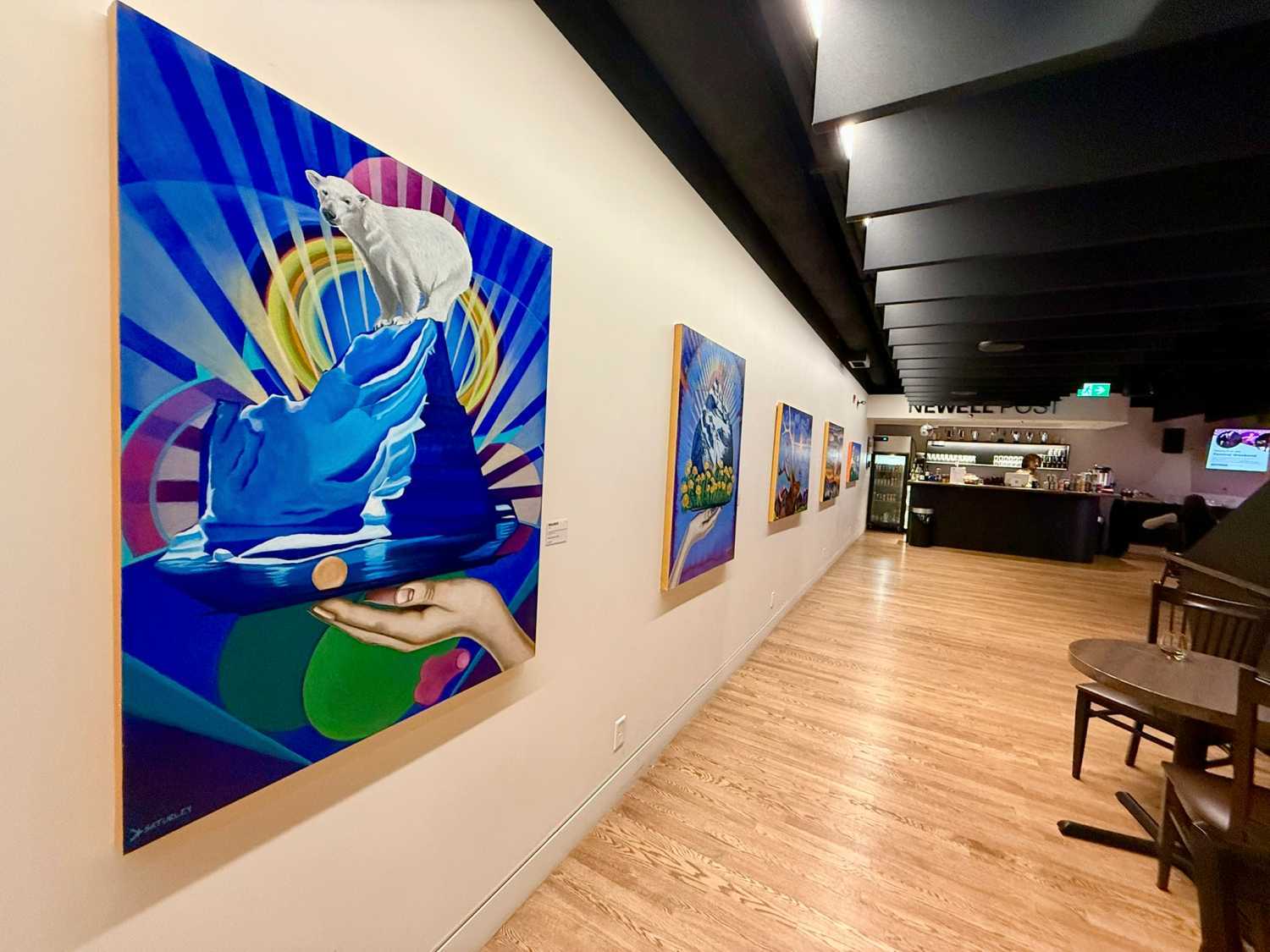
Collectors are becoming more comfortable purchasing directly from artists. A professional website, active social media presence, and clear information about available work often create enough confidence for a collector to reach out without ever stepping into a gallery.
For artists, this means your website isn’t just an online portfolio. It’s your gallery, your sales representative, and often the first impression a collector has of your work.
Discovery Happens Everywhere
Perhaps the biggest takeaway from the responses was that collectors rarely rely on a single source.
One collector summed it up perfectly:
“Museums, galleries, art publications, social media, auctions, books. Art pops up everywhere if you’re paying attention.”
Another shared:
“The joy in collecting is less about purchasing than looking at tons and tons of art along the way.”
That idea really resonated with me.
Collectors don’t simply wake up one morning and buy a painting. They spend months, and often years, immersing themselves in art. They visit museums, attend exhibitions, follow artists online, read publications, browse auctions, and save images that inspire them.
By the time they purchase, they’ve often been following an artist’s journey for quite some time.
Art Fairs Continue to Introduce New Artists
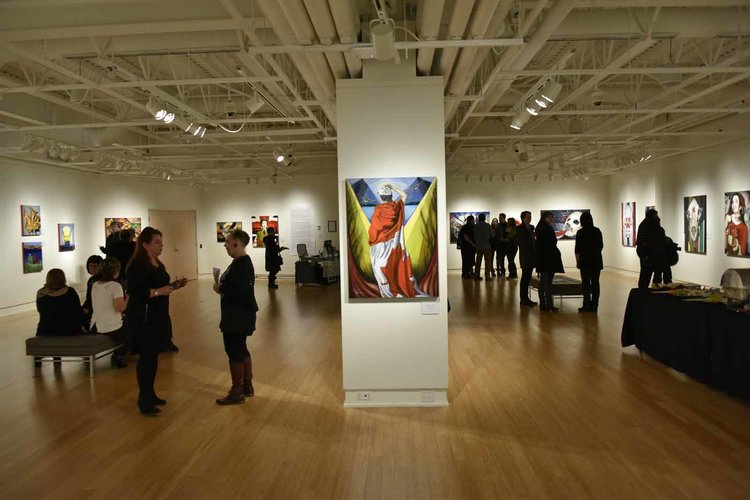
Several collectors emphasized the importance of art fairs and exhibitions.
In New York City major events such as The Armory Show, Affordable Art Fair, Works on Paper, and the IFPDA Fine Art Print Fair remain valuable places to discover new artists and galleries.
One collector shared:
“I usually walk out with at least a handful of new artists and galleries to follow.”
This speaks to something many artists overlook.
Even if a collector doesn’t buy immediately, every exhibition creates future opportunities. Discovery often comes long before acquisition.
Referrals Are More Powerful Than Ever
Friends, curators, galleries, and trusted publications continue to shape collecting decisions. Recommendations from someone whose taste a collector respects often carry more weight than paid advertising.
Building relationships within the art community remains one of the most valuable forms of marketing an artist can invest in.
What This Means for Artists
If there’s one lesson from all of these responses, it’s that collectors don’t exist in one place anymore. They’re discovering art through search engines, social media, online marketplaces, galleries, museums, auctions, newsletters, publications, and recommendations from fellow collectors.
The artists who consistently attract collectors are usually visible across several of these channels; A professional website, an active social media presence, gallery representation where appropriate and participation in exhibitions and art fairs.
Stories that help collectors connect with the work.
No single platform is responsible for every sale, but together they create multiple opportunities for collectors to discover and follow an artist over time.
Final Thoughts
Perhaps the most encouraging insight from the collectors I spoke with wasn’t about a specific website at all. It was about curiosity.
The best collectors are always looking. They read, travel, visit galleries, browse online, attend exhibitions, follow artists, and keep discovering. As artists, our job isn’t simply to make great work. It’s to make sure that when collectors are looking, they have every opportunity to find us.