The Art of Winter
The Art of Winter: Why Canadian Winter Paintings Matter
Winter is more than a season in Canada, it is a defining force, a shared experience, and a kind of national language spoken through crisp breath, long shadows, and the sound of snow underfoot. For generations, Canadian artists have looked to winter not merely as subject matter, but as a mirror of who we are. From the Group of Seven’s frozen lakes to contemporary landscapes shaped by climate shifts and personal memory, winter paintings occupy a central place in the story of Canadian art.
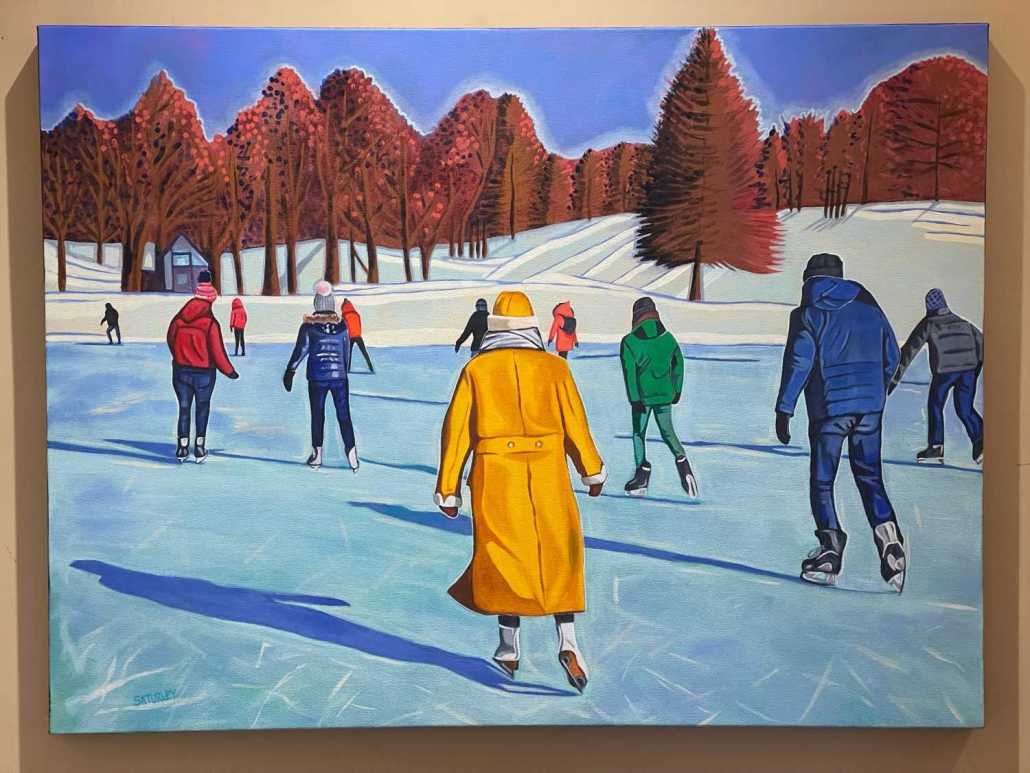
Over the years, I have returned to winter again and again in my own paintings; quiet days dusted with snow, children skating on ponds, the muffled hush of a trail after a fresh snowfall, that feeling of being held by nature and humbled by it at the same time. These works are not simply depictions of cold weather; they are meditations on solitude, community, resilience, and joy.
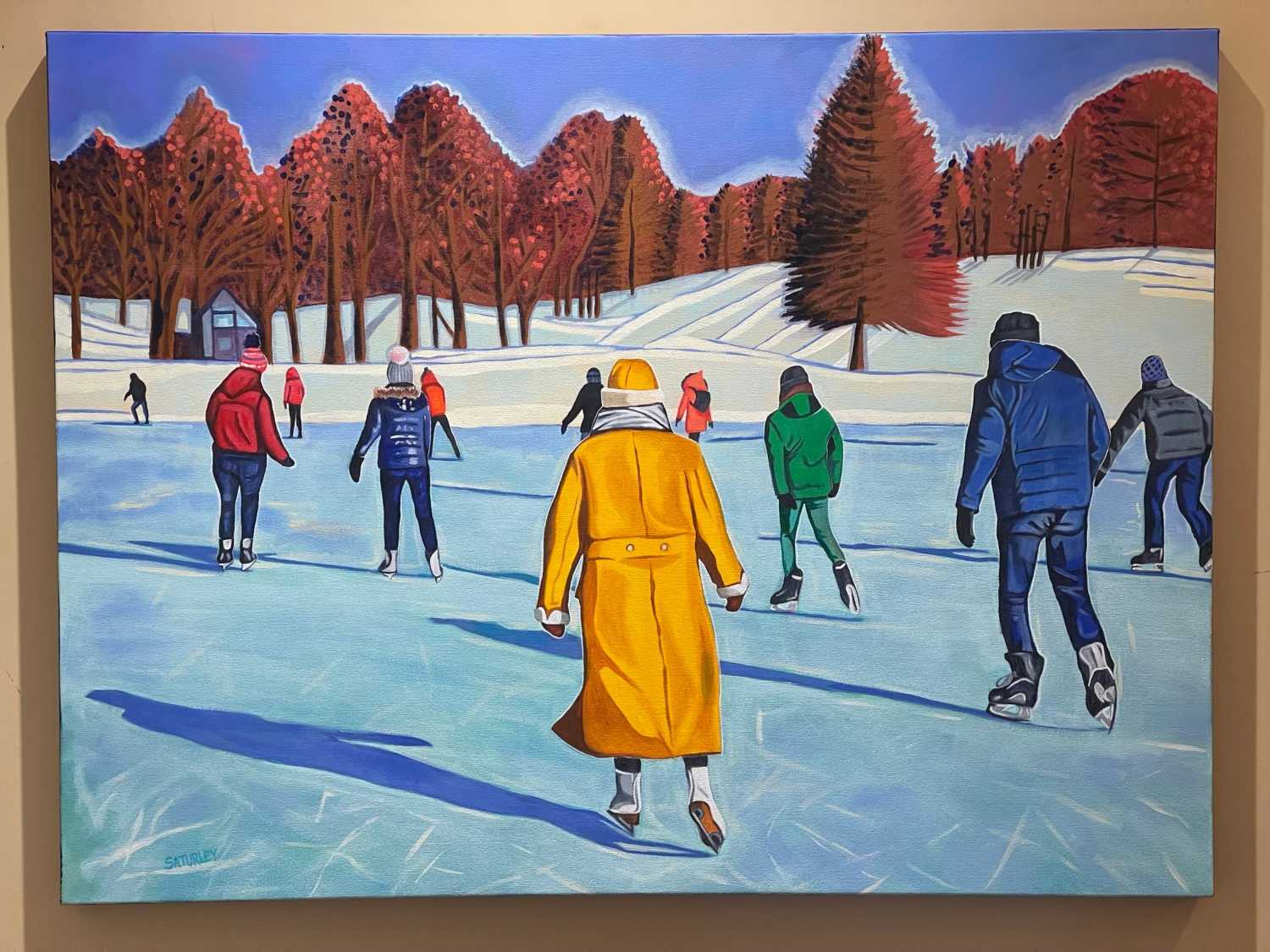
Glide Away – 36×48, acrylic on canvas, 2023 – Brandy Saturley
Winter as Identity – The Art of Winter
In Canada, winter doesn’t just arrive – it settles in, shapes schedules, alters moods, and reshapes the world around us for months at a time. It has a way of making us more introspective. It tests our patience and rewards our willingness to slow down. It heightens our sense of resourcefulness and reminds us of our instinct to gather close, whether around a fire, at a rink, or with a cup of something warm.
It’s no surprise, then, that winter has become one of the strongest visual archetypes in Canadian art. Winter scenes allow artists to explore:
-
Light and shadow: the blue hour stretching across a snowy field, the warm glow of windows against a dark night.
-
Texture: the softness of fresh snowfall versus the sharp, crystalline edges of ice.
-
Colour: subtle pinks, purples, greys, and blues that only appear when the landscape is covered in white.
-
Emotion: the peacefulness of snowfall, the energy of a skating pond, the quiet of early mornings.
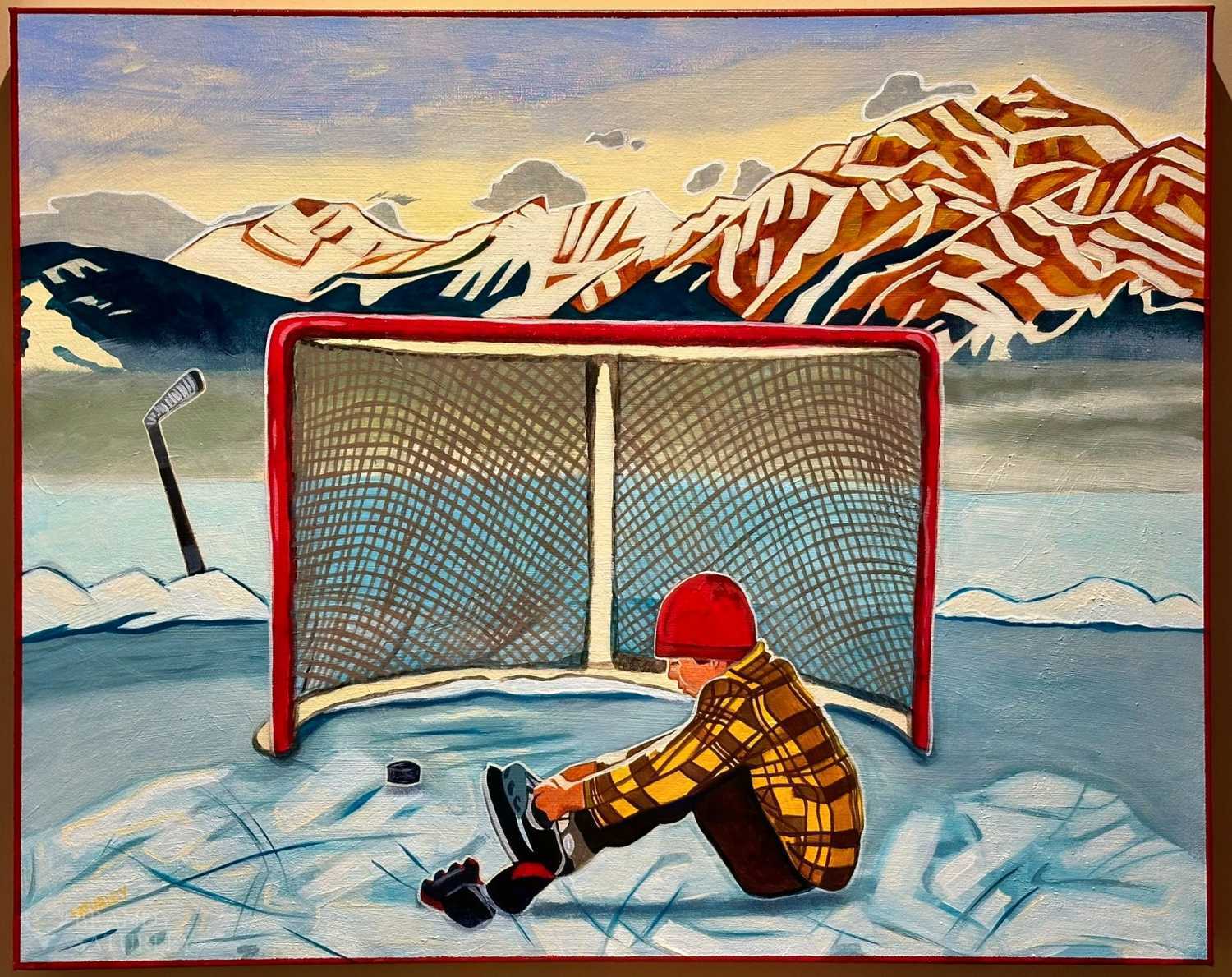
Last One Out – 24×30, acrylic on canvas, 2024 – Brandy Saturley
A Tradition Carried Forward
Historically, Canadian winter paintings have served as a way to document the realities of life in a northern climate. Today, they also capture nostalgia – a longing for the simplicity of childhood winters – and record the changing nature of our relationship to the land as seasons shift.
My own winter paintings are often rooted in memory. The scratch of blades on pond ice. A red toque against a snow-laden sky. The rhythmic movement of children skating in arcs. A single figure walking through a landscape softened by snowfall. These images carry a distinctly Canadian rhythm, one that feels universal across provinces and generations.
By painting winter, I’m contributing to a legacy that speaks to place, identity, and belonging – an ongoing conversation about what it means to love and endure the season that so profoundly shapes our lives.
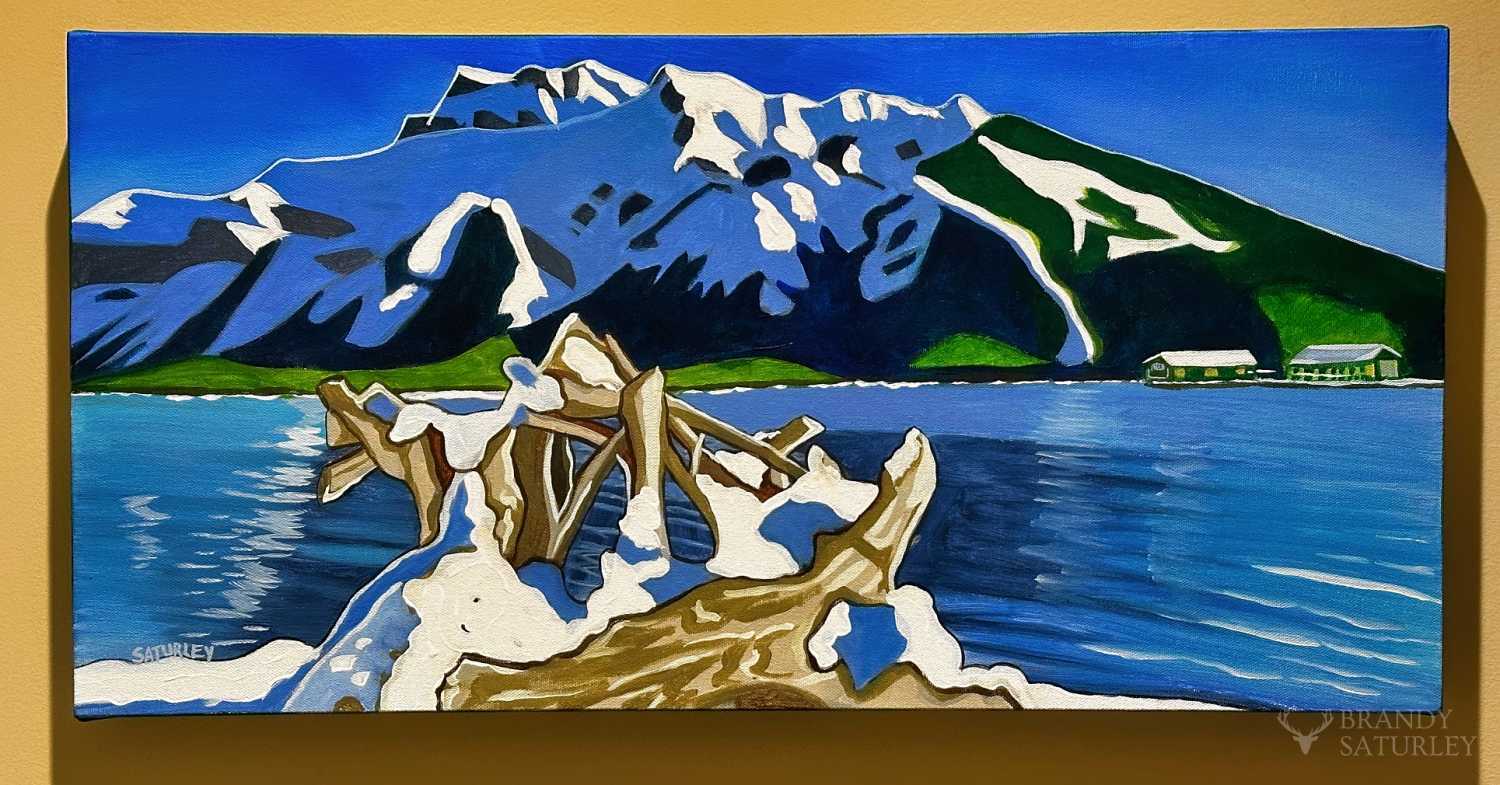
Minnewanka Muse – 12×24, acrylic on canvas, 2024 – Brandy Saturley
Why Winter Paintings Matter Now
In a time when the climate is changing and winters are becoming less predictable, winter paintings also take on new meaning. They become records. They become reminders. They become tributes to a season that has shaped our collective imagination.
For many viewers, winter art evokes feelings of comfort, nostalgia, and connection. It invites people to pause and remember the beauty in what can often feel heavy or challenging. It acknowledges the emotional landscape of winter as much as the physical one.
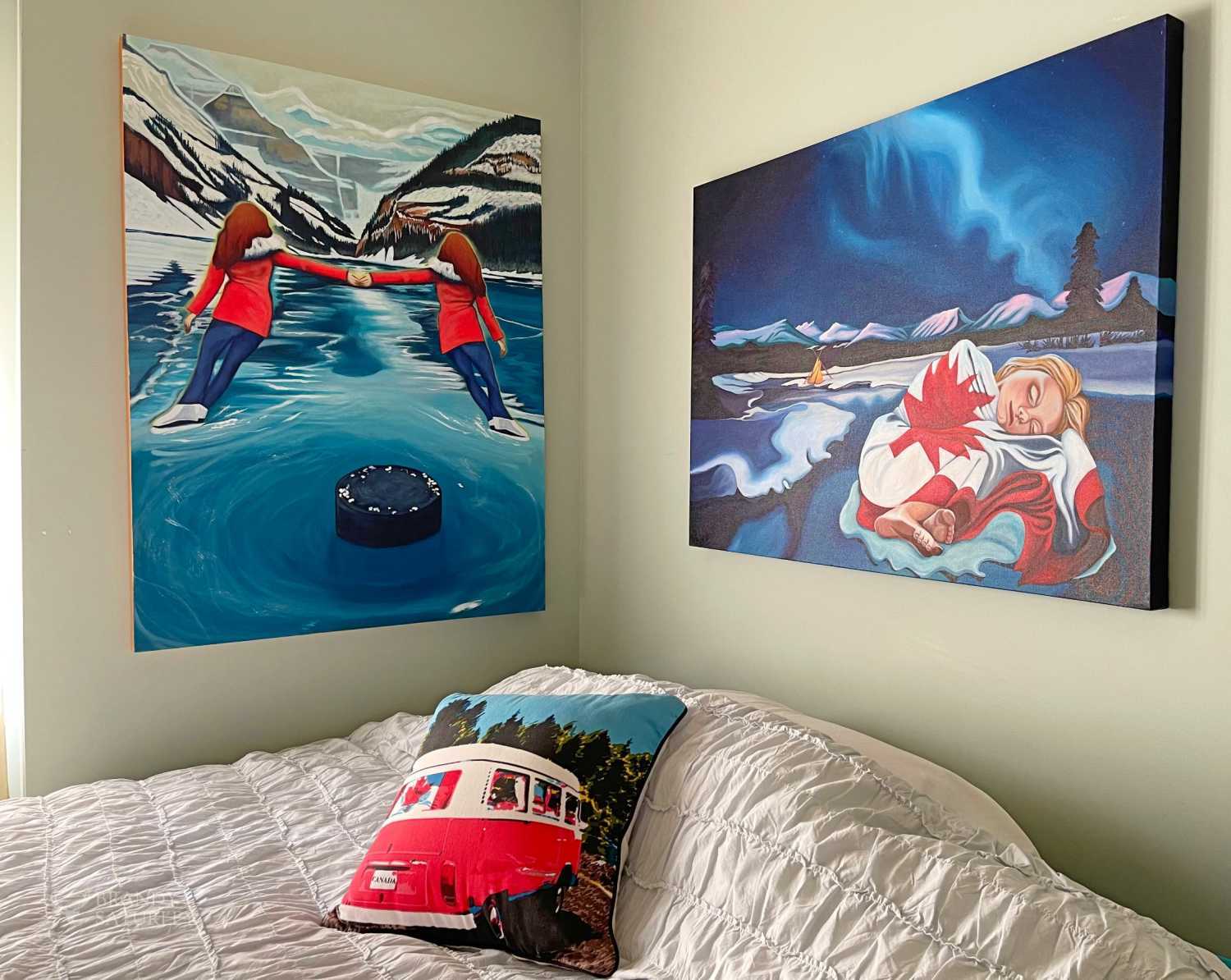
Under A Borealis Sky – 24×36, acrylic on canvas, 2011 – Brandy Saturley
A Celebration of the Season
Painting winter allows us to see the extraordinary in the ordinary; the way snow transforms familiar streets, the beauty of a frozen lake, the sense of community gathered at a local rink, the quiet magic of a snowfall at dusk.
Canadian winter paintings endure because they capture something essential: our ongoing relationship with the land, our resilience, and our capacity to find beauty even in the coldest of seasons.
As I continue to explore winter in my work, I’m reminded that these paintings are, in many ways, love letters to Canada, to memory, and to the small moments that define our experiences of winter.
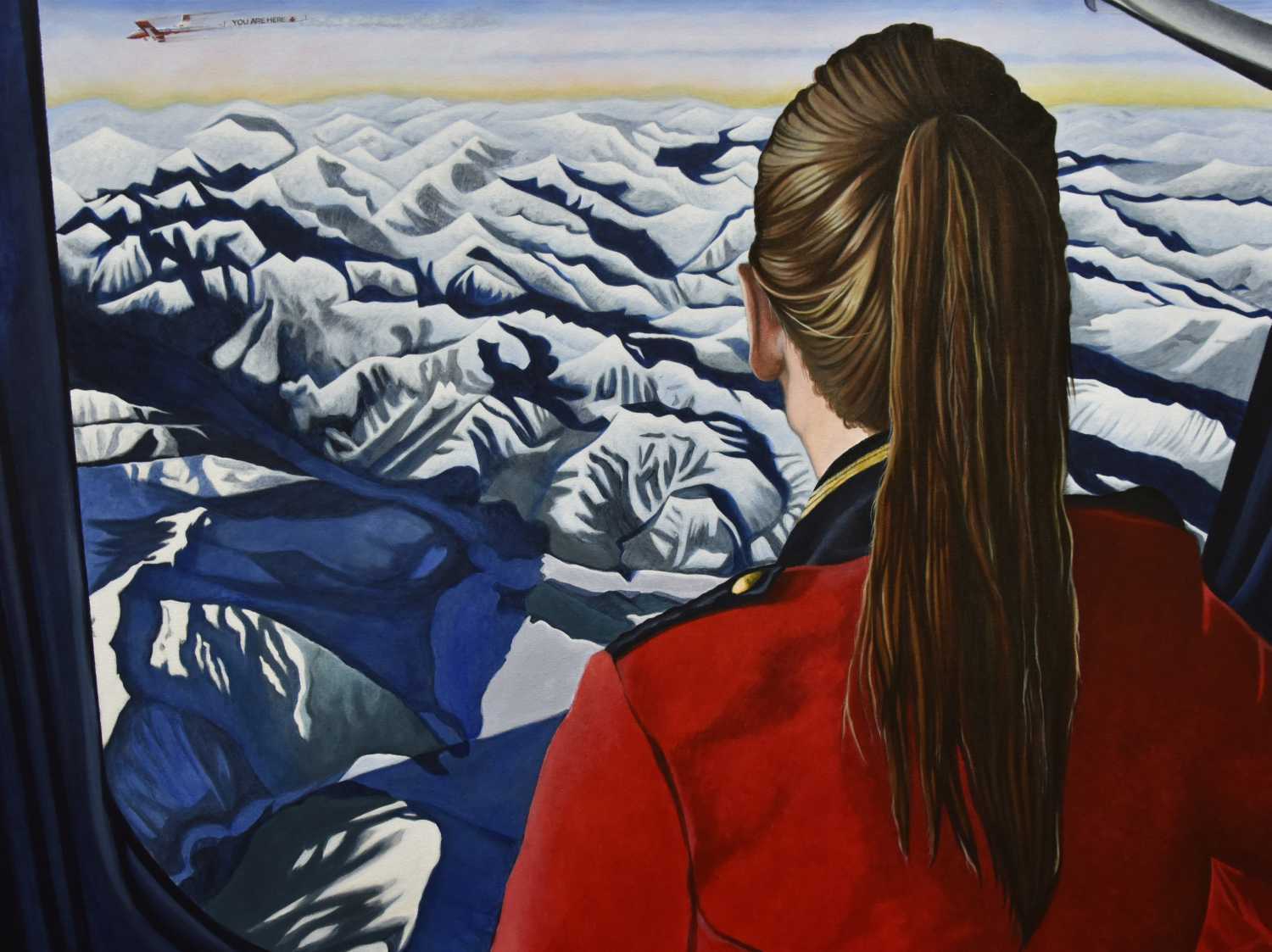
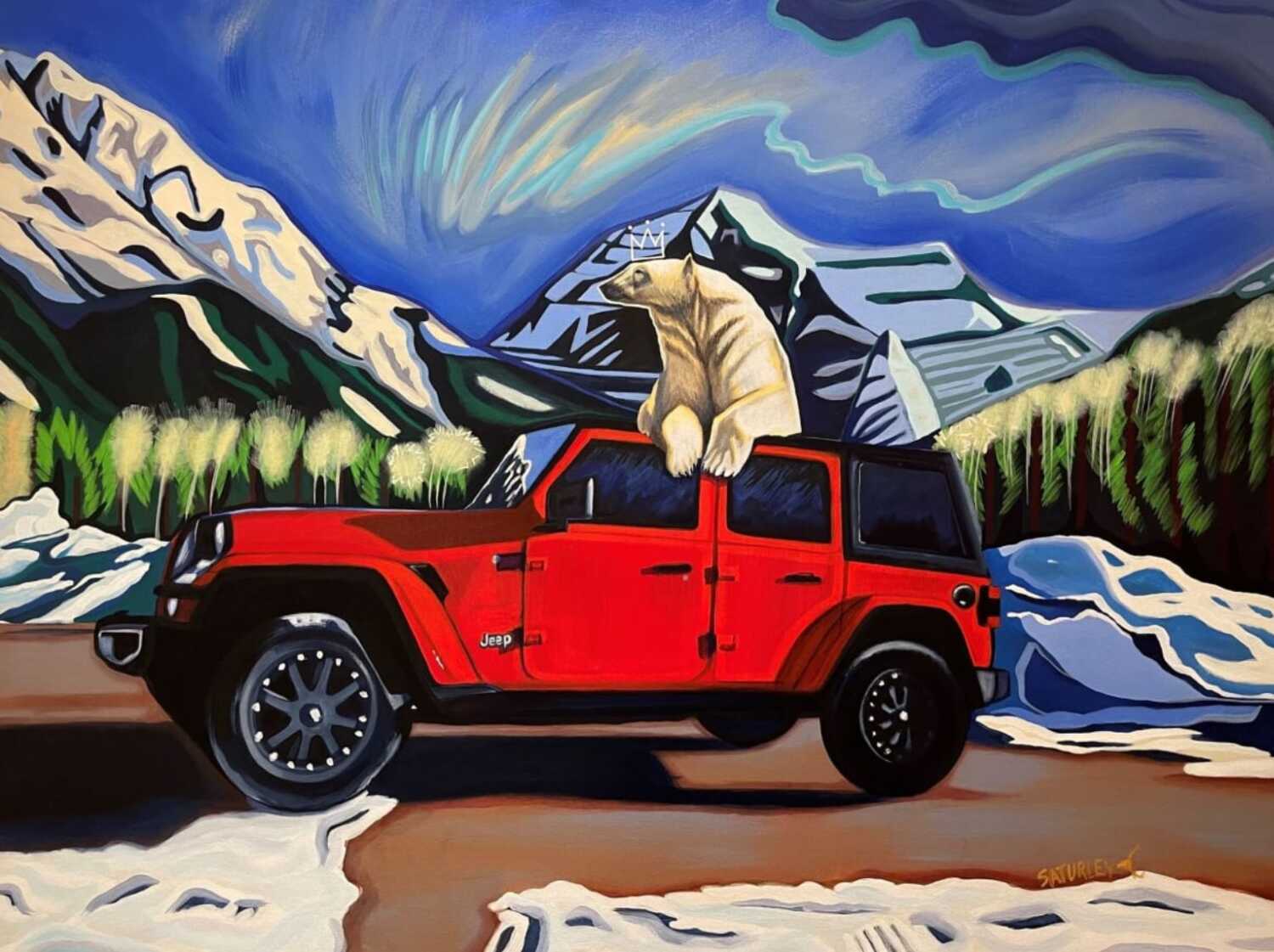
Rocky Mountains Higher – 36×48, acrylic on canvas, 2023 – Brandy Saturley