
Misconceptions About Self-Representing Artists
Biggest Misconceptions About Self-Representing Visual Artists
For art collectors, part of collecting is navigating the experience of buying work from galleries and from artists directly. There are several common misconceptions about purchasing art straight from self-representing Artists, along with a few things collectors should understand before assuming how these transactions work. Below are five persistent myths about self-representing artists and why they simply aren’t true.
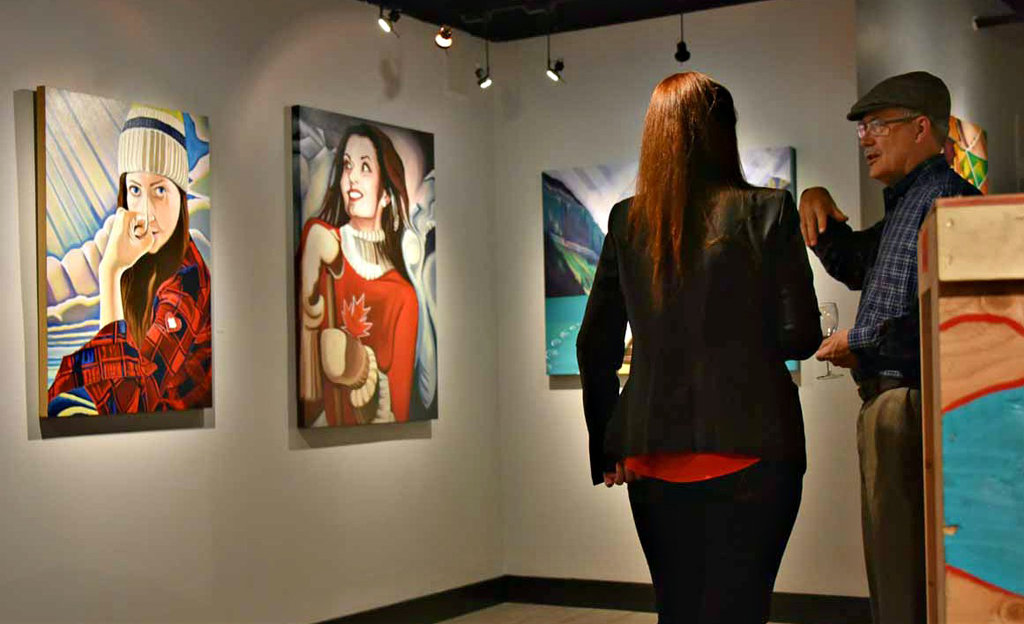
Brandy Saturley exhibition Okotoks Art Gallery 2017
Myth #1: Buying art directly from an artist is cheaper
False.
If an artist is professional and established, purchasing directly from them will not automatically mean a lower price. This myth comes from the assumption that gallery commissions equal instant savings for collectors. While galleries typically take a commission, often around 50 percent, this does not mean an artist will reduce their price by that amount when selling direct.
Many self-representing artists also work with galleries and do not undercut their dealers by offering large discounts. Doing so would damage professional relationships and devalue their work. While negotiation can happen with both galleries and artists, it is usually tied to specific circumstances such as purchasing multiple works or a limited-time promotion. Going direct does not mean saving 50 percent on an artwork.
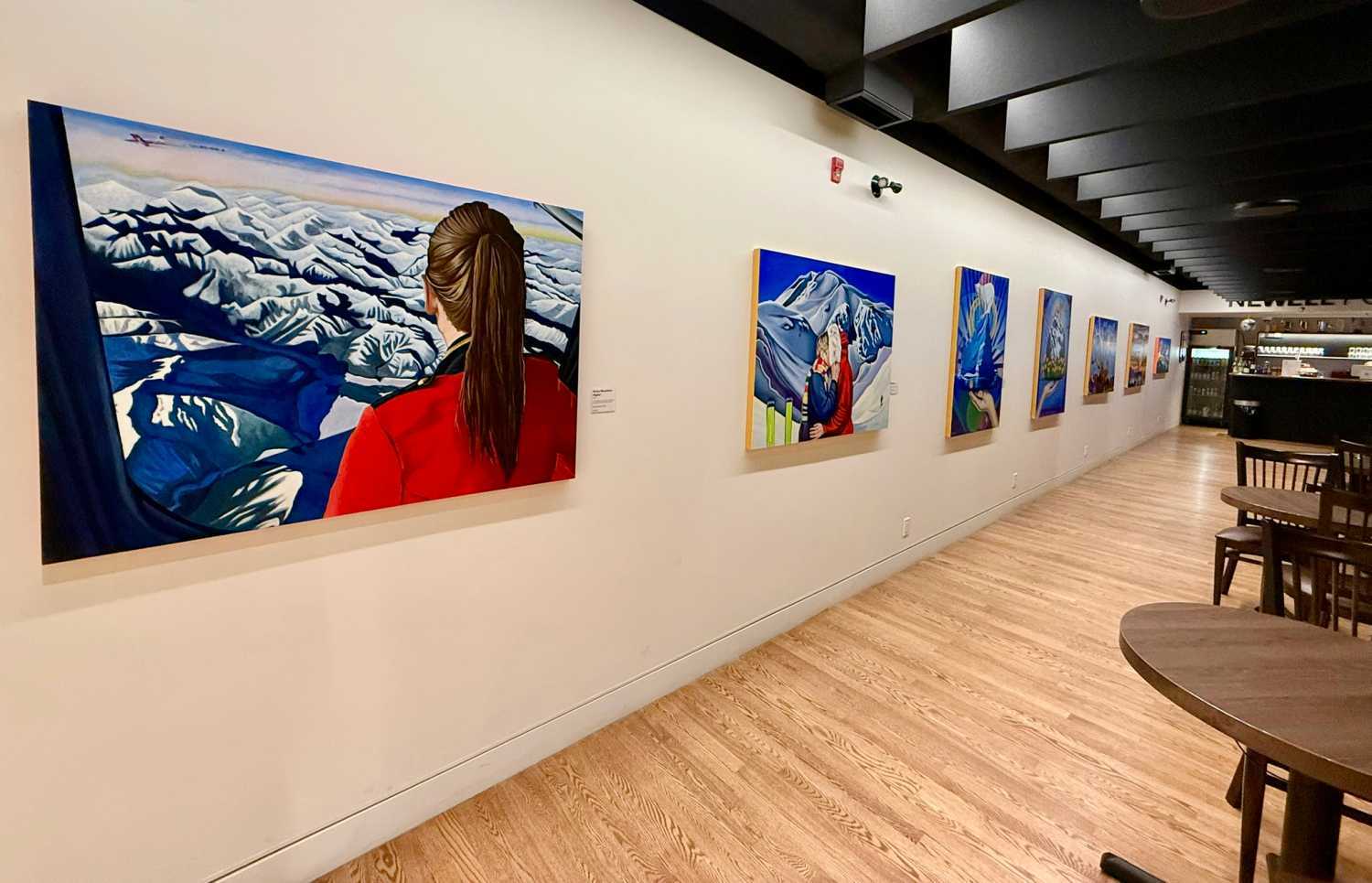
Brandy Saturley at Miller Art Gallery 2025
Myth #2: Self-representing artists don’t have art dealers
False.
Today’s self-representing artists often work alongside art dealers rather than instead of them. With modern tools for self-promotion, artists and dealers can act as allies, creating broader reach and stronger visibility.
I built my career through self-promotion, but in recent years I have strategically partnered with dealers in key locations to expand my audience. Whether a piece is being sold through a gallery or directly by me, I actively promote the work wherever it lives. The result is amplified exposure rather than competition.
Myth #3: Artists can only sell work in their local market
False.
Websites, social media, and international shipping have made it easier than ever for artists to reach collectors around the world. In fact, many artists build careers in markets where their work resonates most, which may not be their local region.
I developed my career by showing and selling in places where my subject matter was best received, not necessarily where I lived. While some landscape painters may rely more heavily on regional markets, staying local can significantly limit opportunities for many contemporary artists.
Myth #4: Artists must choose between public galleries or commercial galleries
False.
While it’s important for artists to understand their niche and choose venues that align with their work, it is entirely possible to show in multiple contexts. With enough drive, planning, and resources, artists can move fluidly between public and commercial spaces.
My own path began with juried exhibitions, followed by group gallery shows, installations in retail environments, public galleries and museums, and eventually commercial gallery representation. Public galleries prioritize education, engagement, and cultural dialogue, often paying artists exhibition fees. Commercial galleries focus on sales and the art market. The work shown in each context may differ, but most professional artists are already making more than one type of work.
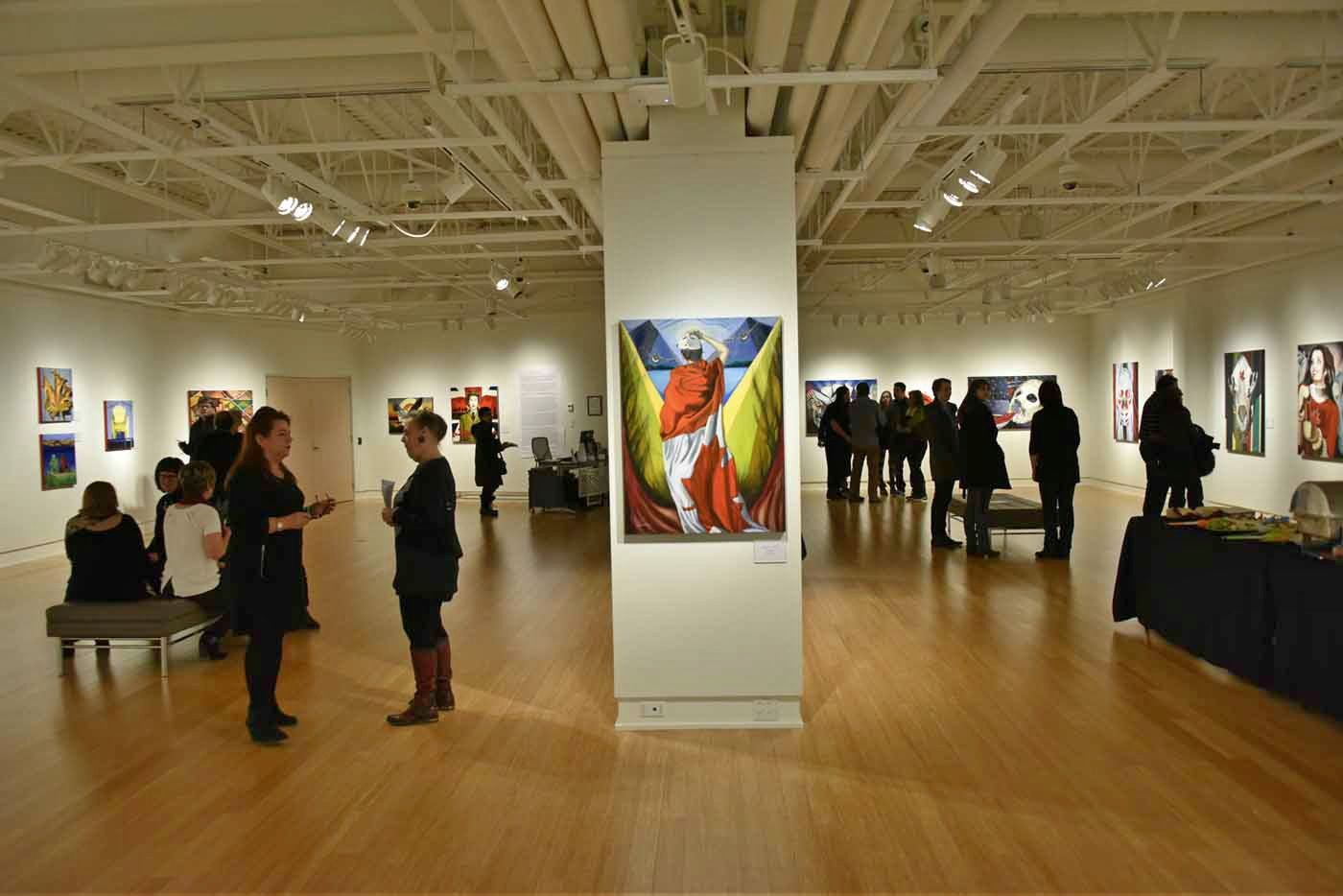
Brandy Saturley at Gallery@501 2017
Myth #5: Licensing your work is “selling out”
False.
For full-time artists without a secondary income, creating multiple revenue streams is essential. Licensing artwork is one of the most effective and sustainable ways to monetize creative output without sacrificing originality.
When I create a painting, I archive a high-resolution image. The original may sell once, but the image can be licensed repeatedly to businesses and brands for uses such as magazine covers, packaging, or advertising. From fine spirits to editorial features, licensing creates recurring and passive income that supports a long-term studio practice.
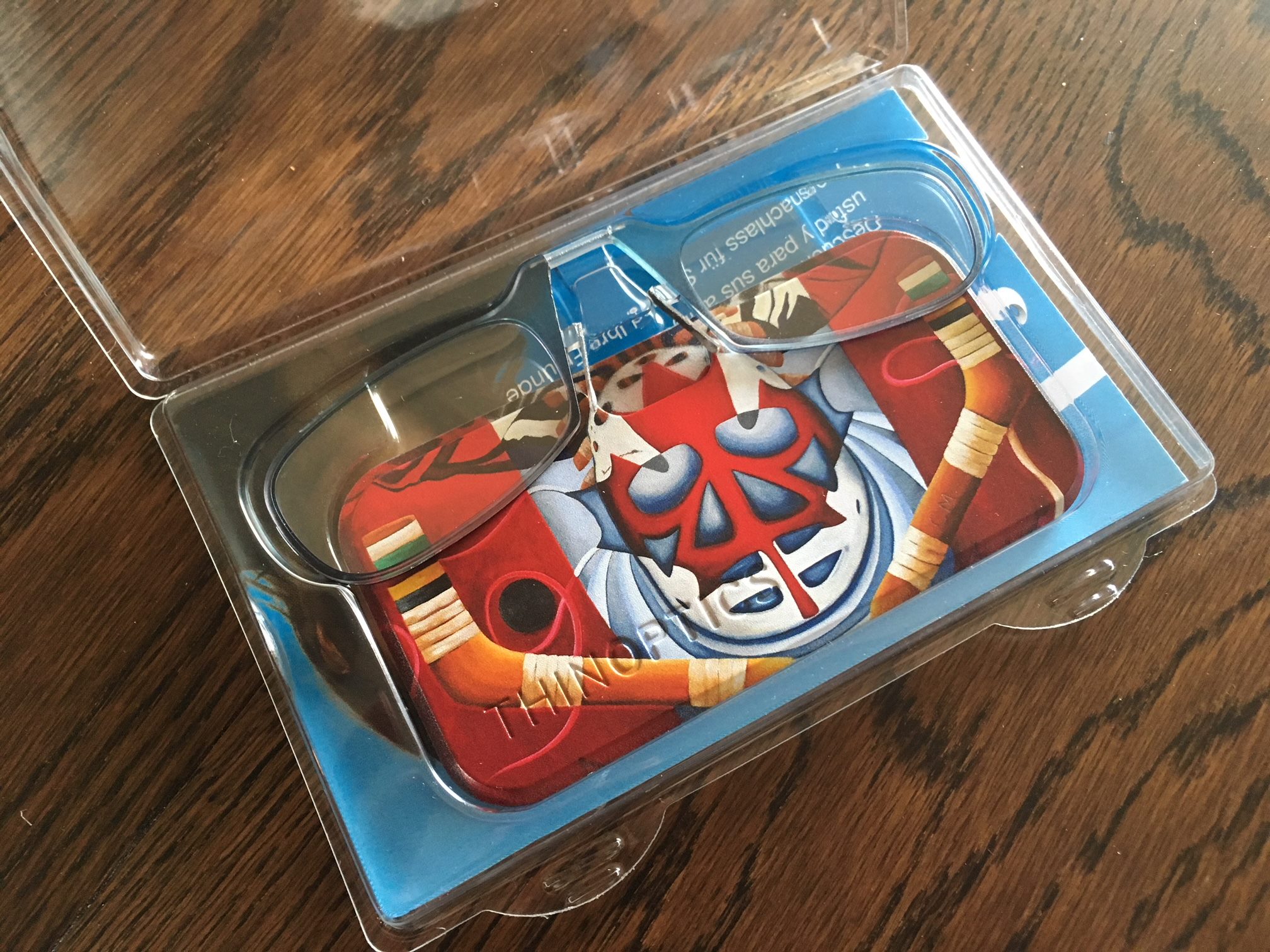
The Art of Brandy Saturley on ThinOptics
Brandy Saturley has been a full-time self-representing professional artist for nearly two decades, learn more about her and her work on her website .

