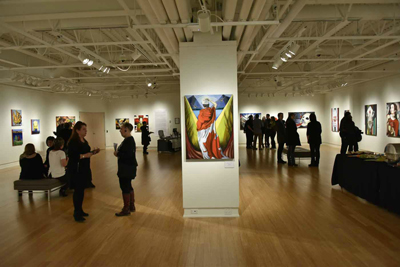
How to Look at Art
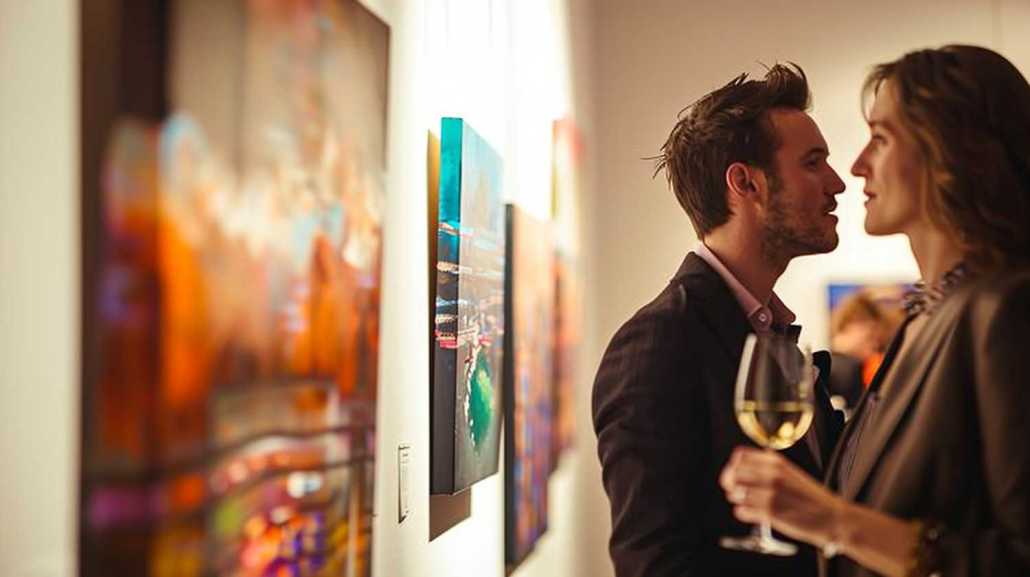
No Pressure: How to Look at Art Like an Artist
When I visit a gallery with friends who aren’t artists, one of them will sometimes turn to me and ask, “What do you think the artist was thinking?” As if being a painter gives me a direct line to another painter’s thoughts. I might notice how they’ve built up the paint or how a little patch of red keeps pulling my eye across the canvas. But the question I’m usually more interested in is, “What do you see?”
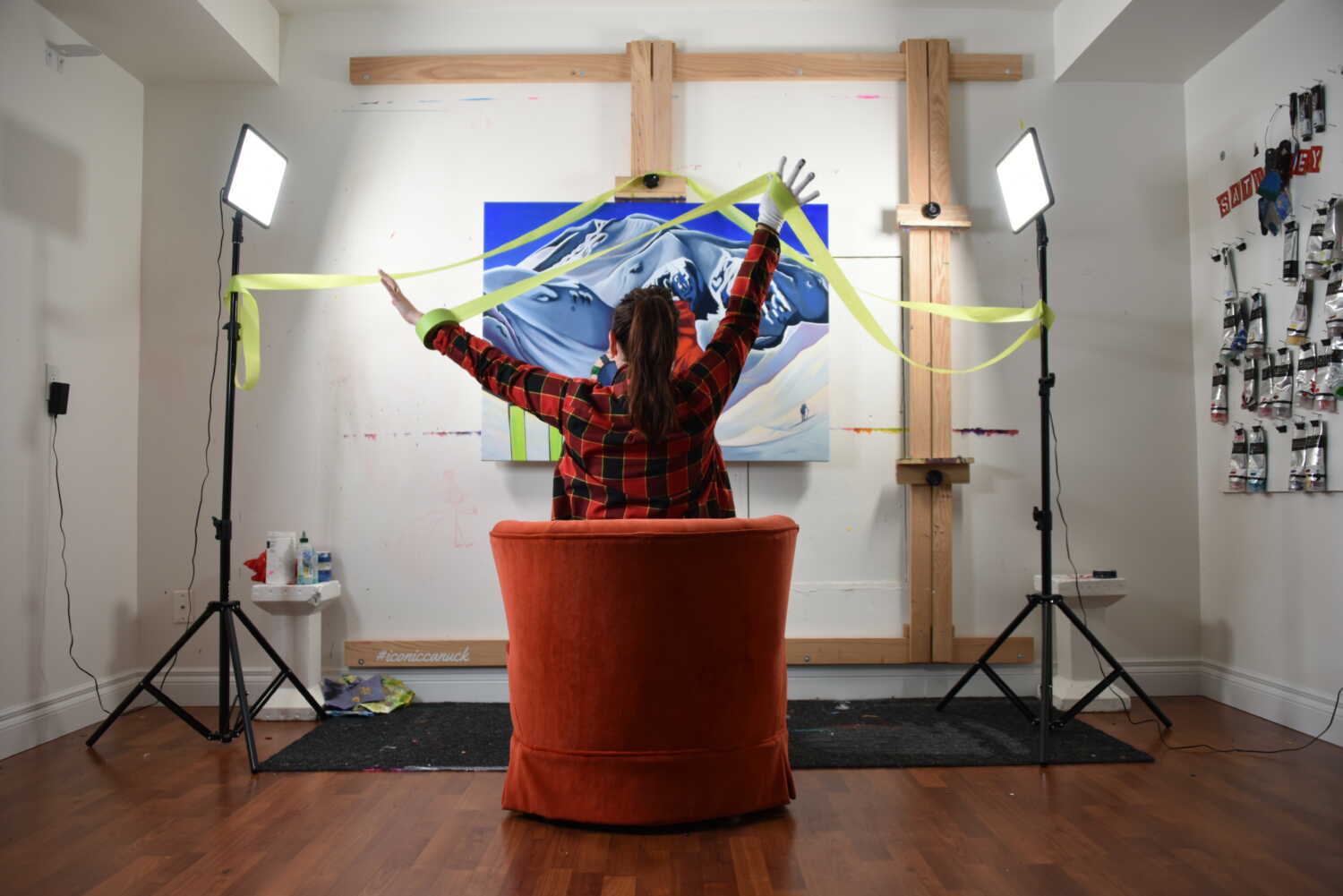
I spend most of my days looking at art, usually a painting of my own that’s still in progress. So I forget how much pressure there can be to say something about a painting as soon as you’re standing in front of it. I understand the impulse to read the label first. A little context can help you find your way into a piece, and sometimes the story behind it is fascinating. I like to give myself a moment with the work first, while I’m still free to notice what catches my eye.
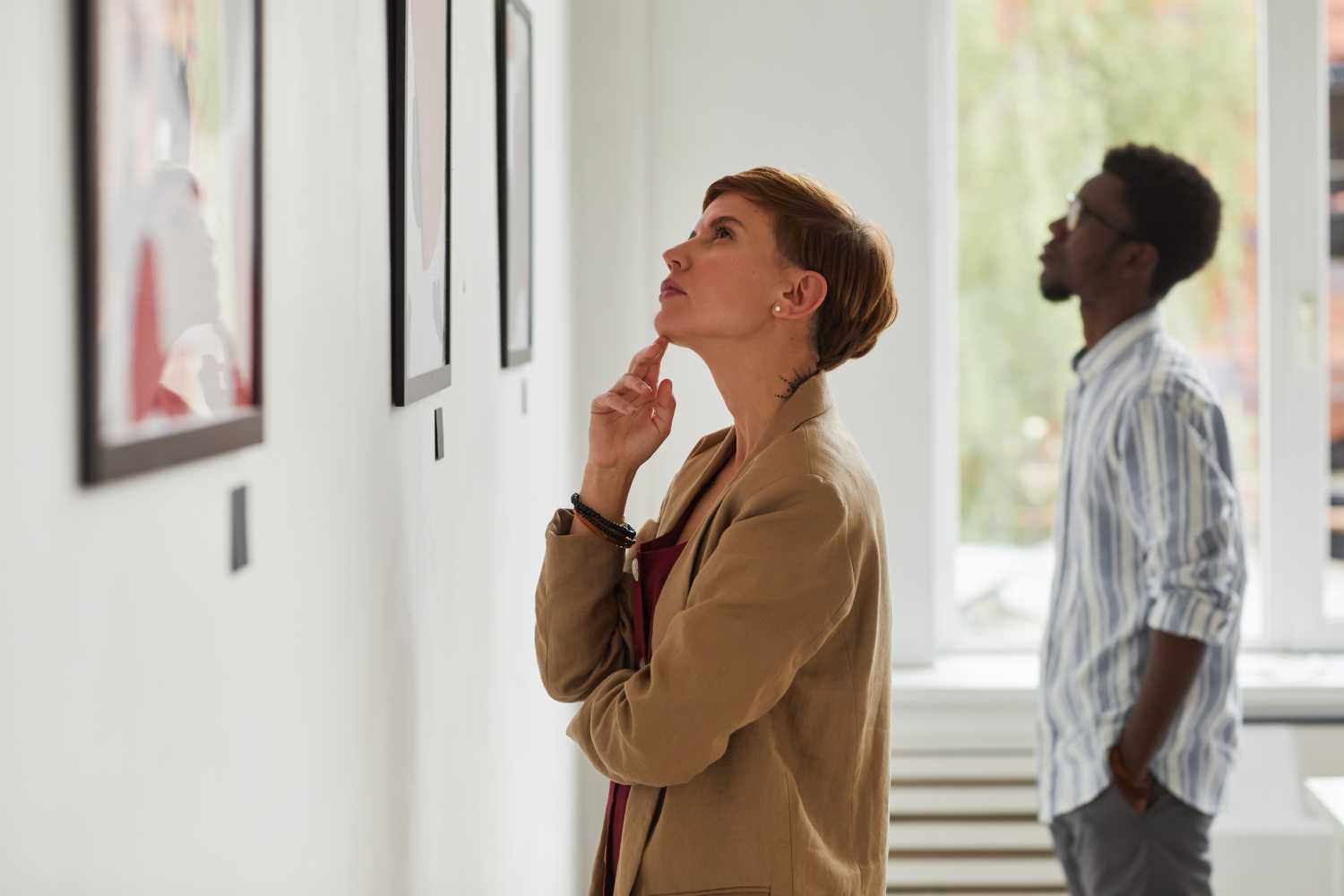
Give your eyes time to wander
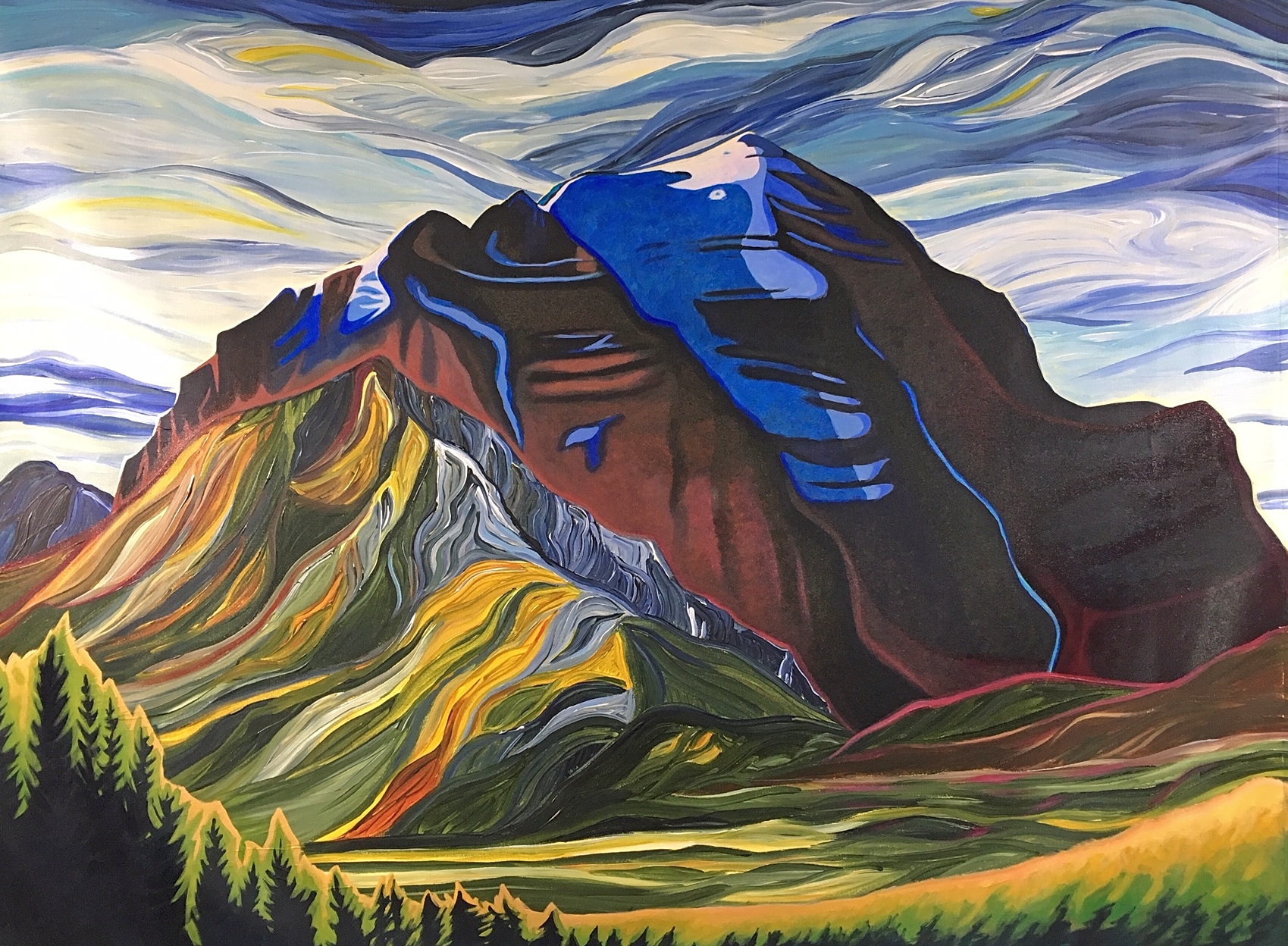
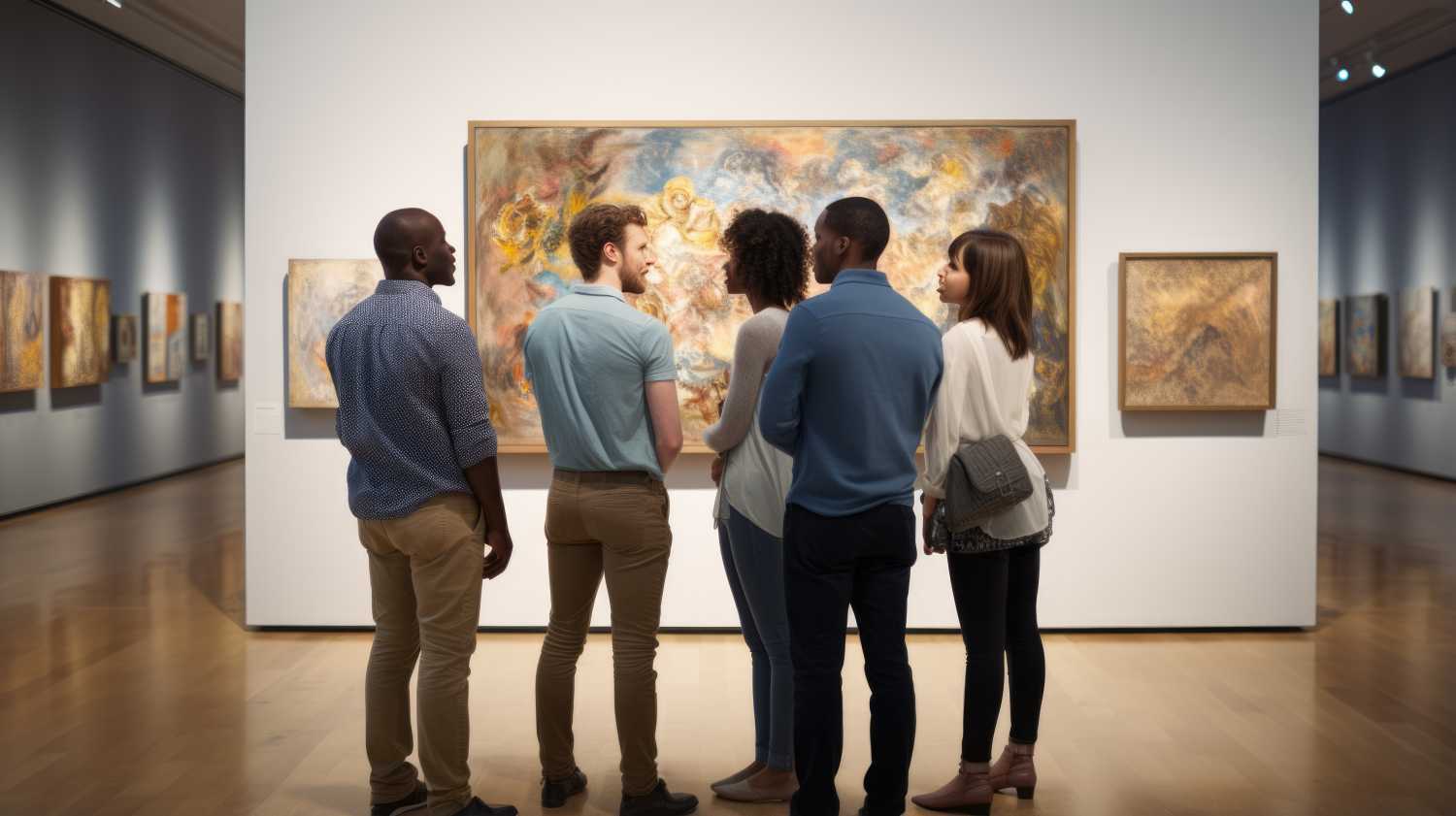
I start by standing squarely in front of a painting and letting my eyes move back and forth across the canvas. Where do they keep returning? It might be a colour, a figure, or the place where two shapes meet. Then I step back or move to one side. From a different angle, I might catch the light on a ridge of paint I’d missed. Up close, I can get caught up in the brushwork. A few steps back, I can see how those marks hold the whole painting together.
I pay attention to how I feel, too. Does the painting make me smile? Does something about it make me uncomfortable? Sometimes a colour reminds me of a place I haven’t thought about in years. I like to let those impressions sit for a while. If a painting stays on my mind as I walk through a gallery, I’ll often go back for one more look before I leave.
That’s usually when I read the label or, in a commercial gallery, ask the staff what they know about the artist and the work. Sometimes I wait until I get home to do a little reading. And there are pieces I’ve understood differently years after I first saw them, because I had lived a little more in the meantime.
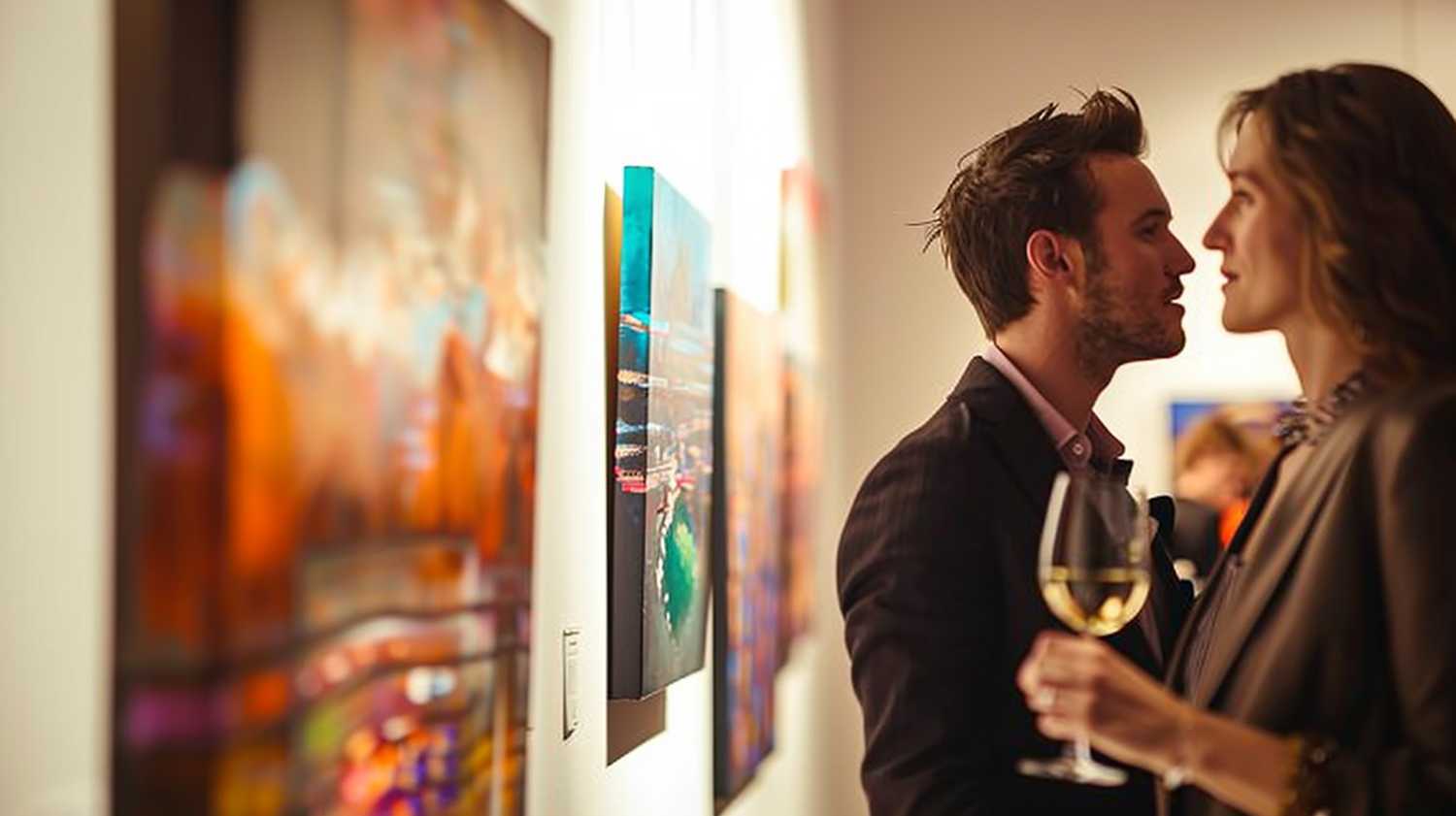
How To Look At Art: You bring part of the story
I think of myself as a visual storyteller. With many of my paintings, I’ve imagined a story before I begin. Other times I start with a feeling and follow my intuition. I might put down a colour simply because it feels right, then see what it does to everything around it. When I’m absorbed in the work, I’m making those decisions without stopping to put them into words.
I often say the story begins with the artist and the viewer fills in the rest. Two people can stand in front of the same painting and see it through entirely different memories. I enjoy hearing what someone sees in one of my paintings, especially when it’s something I hadn’t thought of while making it.
That matters when you’re buying art, too. If a painting might hang on your wall for years, I’d ask yourself what draws you back to it. Maybe it reminds you of somewhere you’ve been. Maybe you just love what happens when those particular colours come together. That’s plenty.
The next time a painting catches your eye, give it another minute. Let your eyes wander. See where they land. You can read the label on your way out.
If you’d like to try looking this way, take a slow wander through my portfolio of original paintings and see which one you keep coming back to. You can also browse my work on ARTSY here.