Canadian Artist Museum-Worthy
What Makes a Contemporary Canadian Artist Museum-Worthy?
What makes an artist’s work worthy of a place in a museum? Is it critical recognition, a distinctive visual language, a sustained body of work, or the ability to capture something meaningful about the time and place in which we live? Perhaps it is a combination of all these things.
As a Canadian contemporary artist, I have spent decades exploring these questions through my own practice. My work examines Canadian identity, culture, history and the symbols that shape our collective imagination. Over the years, I have come to believe that the significance of an artist’s work extends beyond an individual painting. It lies in the larger conversation that develops across a body of work, and in the questions those paintings leave behind.
A Distinctive Visual Language
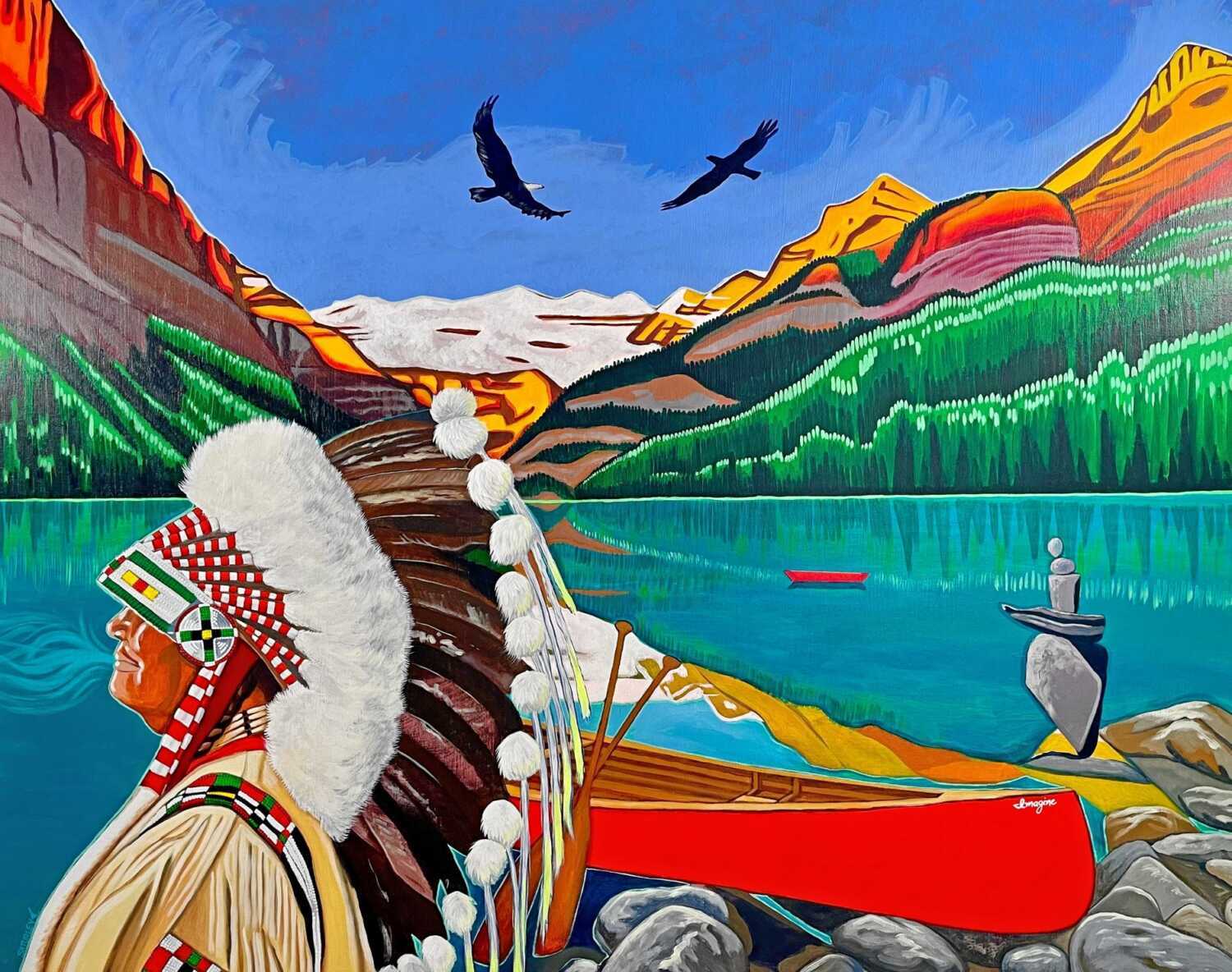
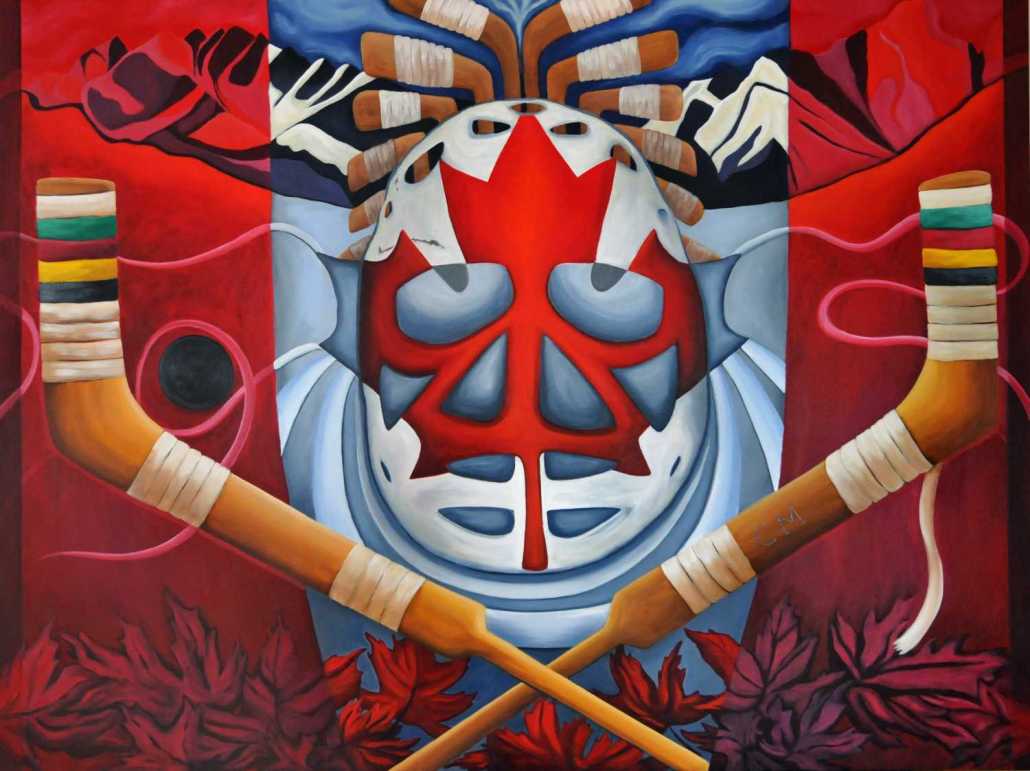
Museums preserve more than beautiful objects. They collect works that contribute to our understanding of culture, history and the human experience. For a contemporary artist, developing a distinctive visual language is an important part of that contribution. What ideas does the artist return to? What questions drive the work? How does the artist interpret the world in a way that is recognizably their own? My own practice centres on what I call the iconography of Canada. I am interested in the familiar objects, colours, landscapes and cultural references that have come to represent this country, from hockey masks and canoes to Hudson’s Bay point blankets and the wildlife of our vast landscape.
These symbols may be recognizable, but their meanings are rarely simple. They can evoke nostalgia, pride, history, commerce, politics and the complicated relationships between people and place. By bringing these elements into contemporary painting, I seek to create visual stories that move beyond illustration and invite a deeper reading of Canadian identity.
A distinctive artistic voice develops over time. It is shaped by experimentation, observation, failure, discovery and the willingness to follow an idea beyond its obvious conclusion.
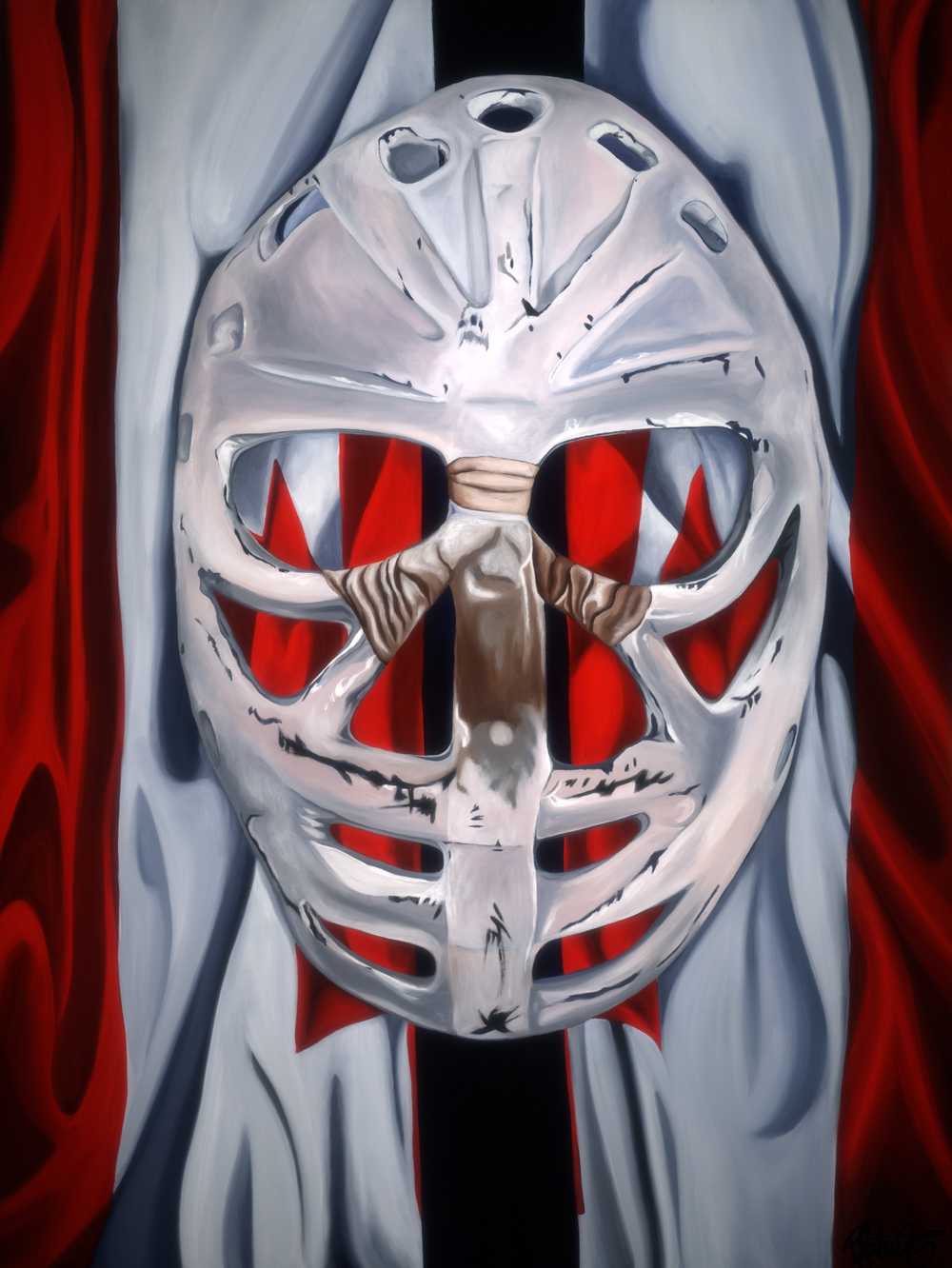
Goalie’s Mask: red, white & Dryden (The Goalies Mask Painting), c. 2011 Acrylic 48 x 36 x 1.5 in Brandy Saturley
The Importance of a Sustained Body of Work
A single painting can be powerful, but a sustained body of work reveals how an artist thinks.
Recurring subjects and motifs allow an artist to investigate an idea from different perspectives. A symbol that first appears straightforward may acquire new meaning as the artist revisits it over the years. Changes in style, materials and subject matter can also reveal how an artistic practice responds to a changing world.
For nearly two decades, my paintings have explored the iconography of Canada. My work has evolved from detailed realism toward simplified forms, bold colour and graphic compositions, while the underlying interest in Canadian stories has remained a constant.
My Hudson’s Bay blanket paintings, for example, revisit a familiar Canadian object through different compositions and narratives. The blanket’s distinctive stripes carry associations with domestic comfort, commercial history and national identity, while also raising questions about the colonial history in which the Hudson’s Bay Company played a central role.
Other recurring subjects, including polar bears, hockey imagery and the changing West Coast landscape, provide different entry points into questions of culture, environment and belonging.
Taken together, these works form a conversation that a single painting cannot contain. They document the development of an artistic practice while reflecting changes in the culture around it.
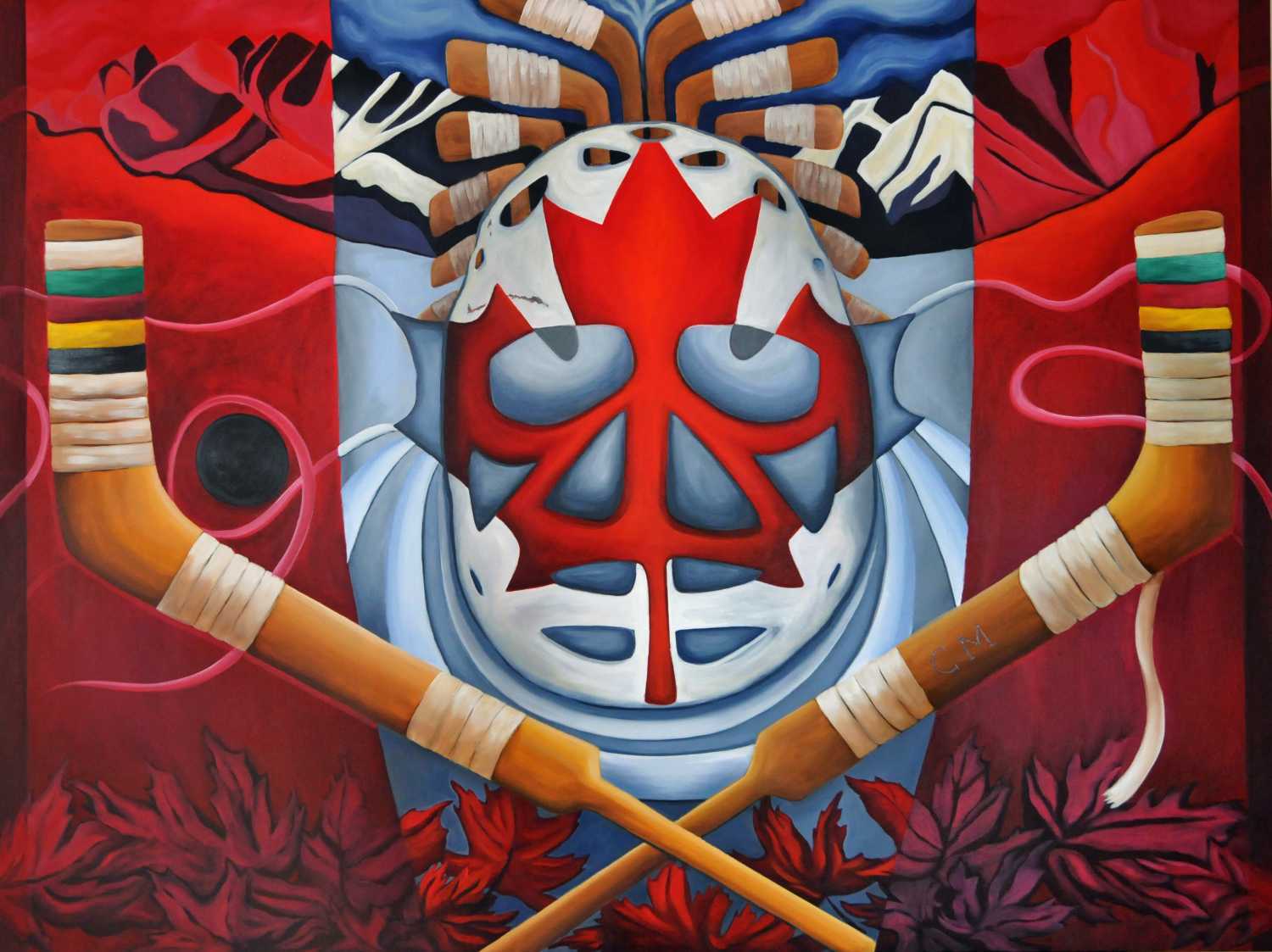
On Guard (hockey Canada flag), c. 2013 Acrylic 24 x 36 x 1.5 in Brandy Saturley
Art as a Record of Its Time
Contemporary art has the capacity to record the present in ways that are not always immediately apparent. Artists respond to the world around them, sometimes directly and sometimes through metaphor, memory and symbolism. Their work can reveal how a society sees itself, what it values, what it overlooks and what it struggles to understand. Canadian identity is not fixed. It is continually shaped by regional differences, immigration, Indigenous histories, popular culture, political change and our relationship with the natural environment.
These are the kinds of subjects that interest me as a painter. I am drawn to the tension between the familiar and the unexpected, between national symbols and the more complicated stories they contain. I want my paintings to be visually engaging, but I also want them to reward a second look. For museums and public collections, this capacity to hold multiple meanings can be important. A work may speak to the moment in which it was created while continuing to generate new interpretations as its historical context changes.
The strongest cultural conversations are rarely finished when a painting leaves the studio.

Ride My Wake, c. 2014 Acrylic 36 x 48 x 1.5 in Brandy Saturley
Recognition, Collections and Professional Longevity
Artistic merit cannot be reduced to awards, exhibition histories or the number of institutions that have collected an artist’s work. These are useful parts of a professional record, but they do not tell the whole story. A serious assessment of an artist’s practice may also consider the development of the work over time, its contribution to a wider artistic conversation, its relevance to a collection and the strength of the documentation surrounding it. Exhibitions, critical writing, fellowships, public commissions and acquisitions can all help establish a record of an artist’s professional activity. They provide context for understanding how the work has been received and where it sits within contemporary art.
In my own career, experiences ranging from a fellowship at the Banff Centre to exhibitions in Canada and abroad have contributed to the ongoing development of my practice. My paintings have also entered corporate and institutional collections, including Canada’s Sports Hall of Fame. Each experience adds a different layer to the story of a career. None, on its own, defines the significance of the work.
Longevity matters because it gives an artist time to develop ideas, challenge earlier assumptions and build a body of work that can be considered as a whole. It also creates an opportunity for the work to be reassessed as cultural perspectives evolve.
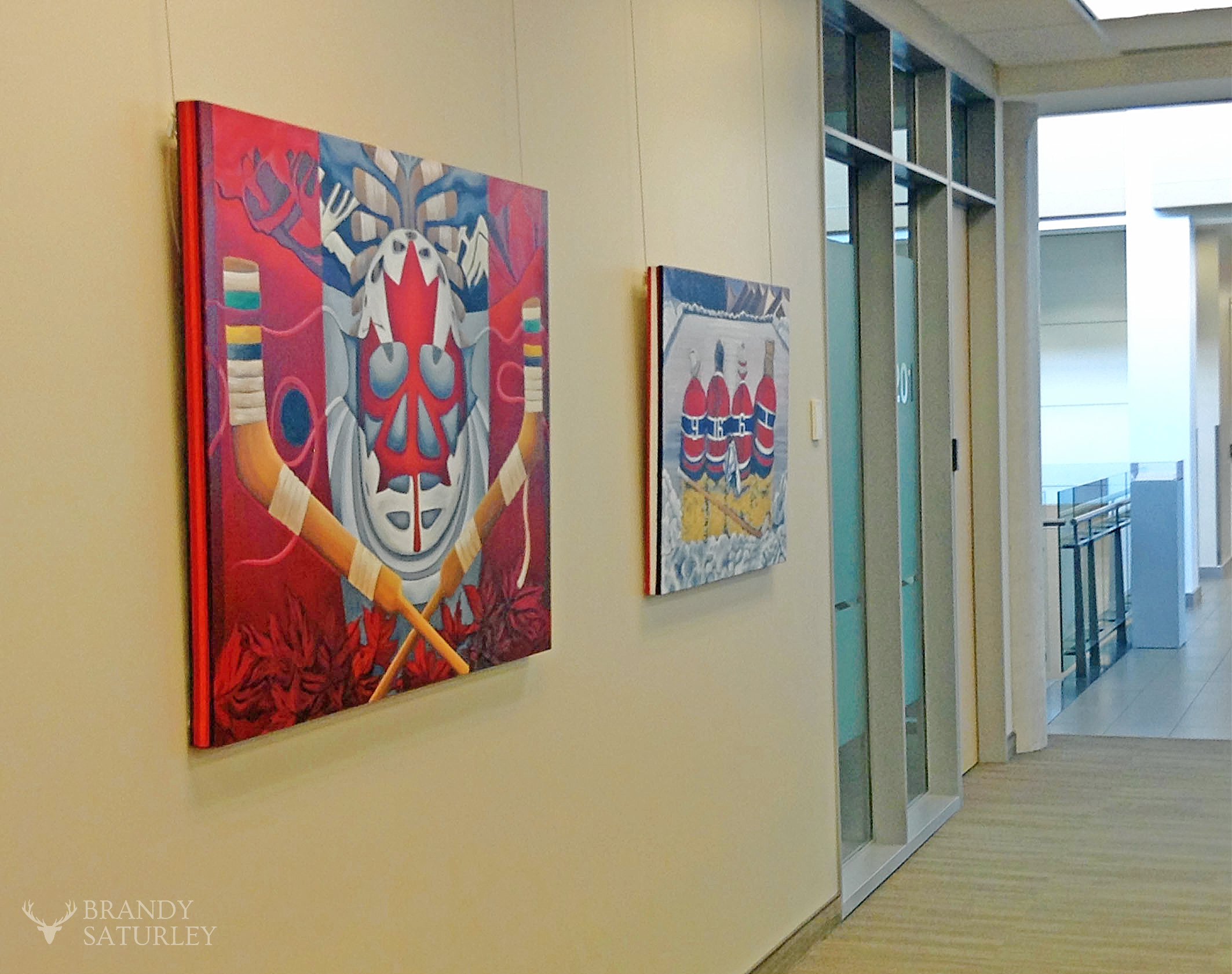
Brandy Saturley in the Colart Collection, Mount Royal, Quebec, 2013
Canadian Artist Museum-Worthy: Why Representation Matters
The question of what belongs in a museum is also a question of whose stories are preserved. Museums help shape the cultural record. The artists and artworks they collect influence how future generations understand their own history and the society that preceded them.
Contemporary Canadian art encompasses an extraordinary range of experiences, perspectives, materials and visual languages. Regional identities, women artists, Indigenous artists and artists working outside established cultural centres all contribute to a richer understanding of the country. For this reason, collecting contemporary art is not simply about acquiring objects of aesthetic value. It is also about recognizing the diversity of artistic practices that help define the present.
An artist working in Canada does not need to paint a literal historical scene to contribute to the historical record. A contemporary interpretation of a familiar symbol, an endangered species or a changing landscape may reveal something important about how we live now. The question is whether the work brings a meaningful perspective to the conversation, and whether that perspective has the depth to remain relevant beyond its immediate moment.
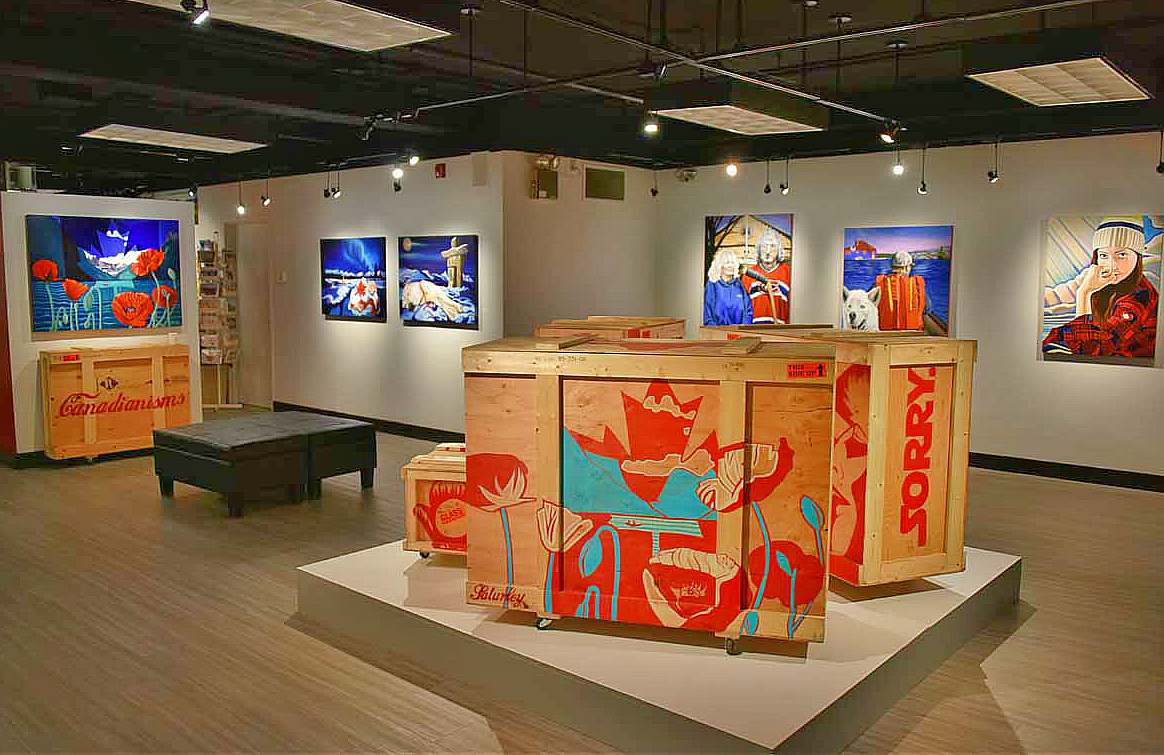
Brandy Saturley at Okotoks Art Gallery, 2017
Building a Legacy, One Painting at a Time
I have been creating visual stories for decades, and I continue to be interested in the relationship between individual paintings and the larger narrative they form together. My work is not intended to provide a definitive picture of Canada. Instead, I approach the country through its symbols, contradictions, landscapes and cultural memories. Each painting offers a fragment of a much larger story.
The idea of legacy is interesting because it cannot be entirely determined by the artist. We can develop our practice, document our work, exhibit it, write about it and place it in conversation with other artists. But the long-term significance of an artwork also depends on how it is encountered, interpreted and preserved by others.
For curators and museums, the challenge is to recognize work that contributes something meaningful to the cultural record. For artists, the challenge is to keep making work that is honest, ambitious and connected to the questions that matter. Perhaps museum-worthiness is not a single destination or a designation an artist can award themselves. It is an ongoing conversation between the work, its historical moment and the people who encounter it.
As an artist, I remain committed to exploring the iconography of Canada and creating my own visual language around it. The paintings are individual stories, but together they ask a much larger question: how do we see ourselves, and what will the images we create today tell future generations about who we were?
That is a question worth continuing to paint.
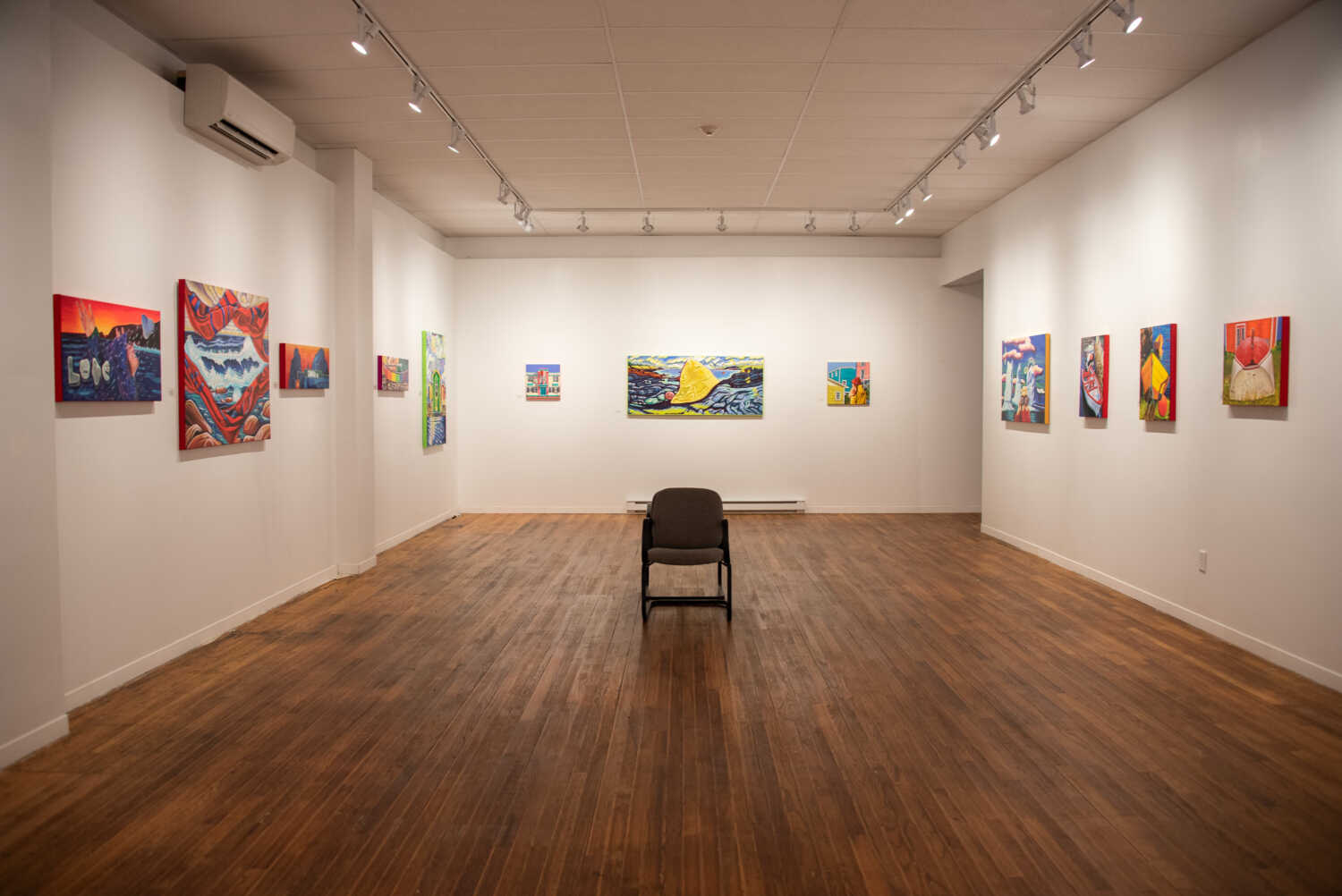
Brandy Saturley at James Baird Gallery, 2025
Brandy Saturley is represented by Willock & Sax Gallery in Banff, James Baird Gallery in Newfoundland and Nicholas Penn Fine Art in the UK.